Thailand's Restaurant Industry in Crisis: How to Survive the 2026 Cost Squeeze
A 400-baht minimum wage, declining tourism from key markets, and an invasion of low-cost Chinese chains are crushing Thai restaurant margins. Here's how independent operators are fighting back.
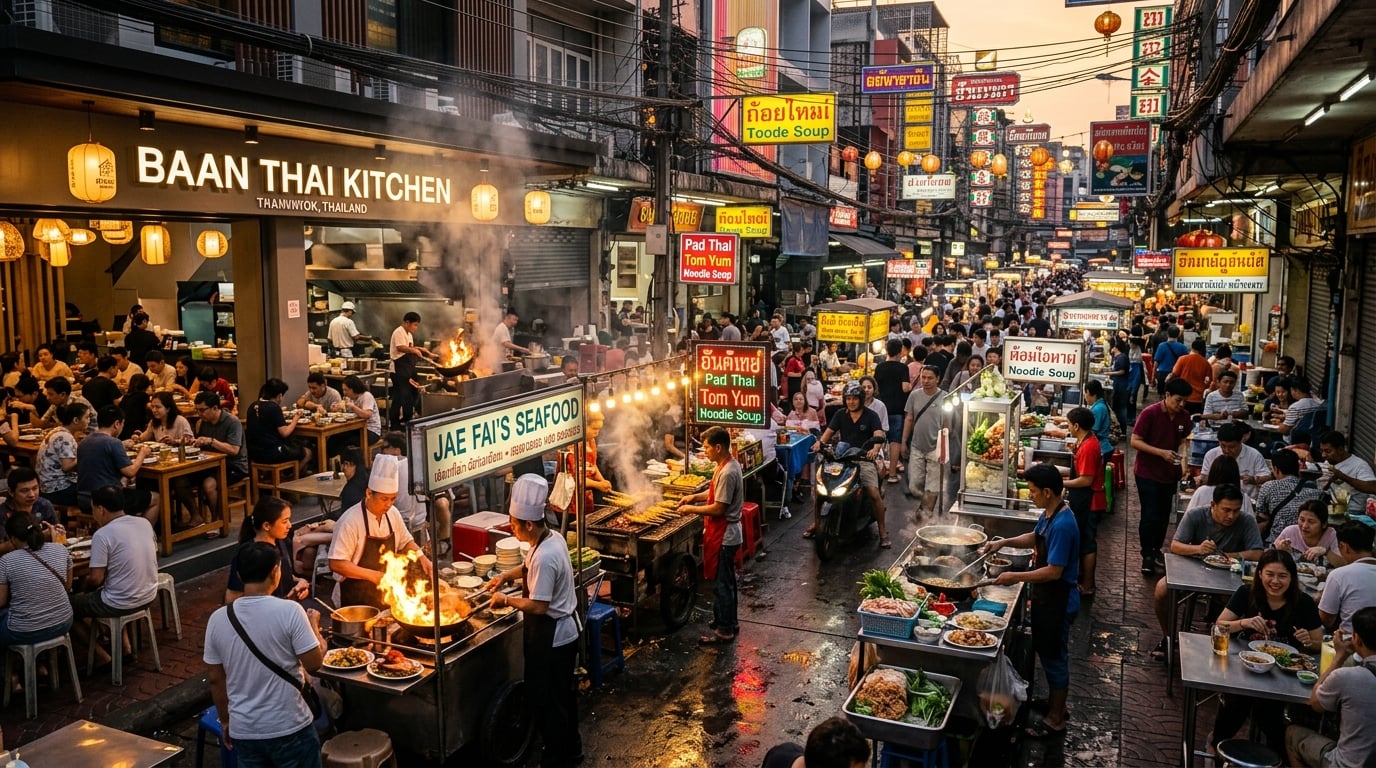
Thailand's restaurant industry is projected to be worth $35.4 billion in 2025 — and yet the Economic Intelligence Center (EIC) is forecasting a "rough 2026" where growth will be driven by higher food prices, not more customers.
For independent restaurant operators, that's the worst kind of growth: your costs go up, your prices go up, but your customer count stays flat or declines. Here's what's happening and how to respond.
The Five Forces Crushing Thai Restaurant Margins
1. The 400-Baht Minimum Wage
The Thai government's mid-2025 introduction of a ฿400/day minimum wage (up from ฿328-354 depending on province) has fundamentally changed the cost structure for labour-intensive restaurants.
For a typical Bangkok restaurant with 10 full-time staff, this translates to an additional ฿20,000-30,000/month in direct labour costs — before overtime, social security contributions (SSO at 5%), and the cascading effect on senior staff who expect proportional raises.
2. Incomplete Tourism Recovery
Thailand's tourism sector has not bounced back as expected, particularly from the critical Chinese market. Fewer foreign visitors means less revenue for restaurants in tourist-heavy areas like Sukhumvit, Old Town Bangkok, Chiang Mai Night Bazaar, and Phuket.
3. The Chinese Chain Invasion
Low-cost Chinese restaurant chains have flooded the Thai market, offering meals at prices that independent operators simply cannot match. These chains leverage:
- Massive supply chain scale — bulk purchasing across thousands of locations
- Standardised operations — minimal skilled labour required
- Aggressive pricing — willing to operate at near-zero margins to capture market share
4. Delivery Platform Fees
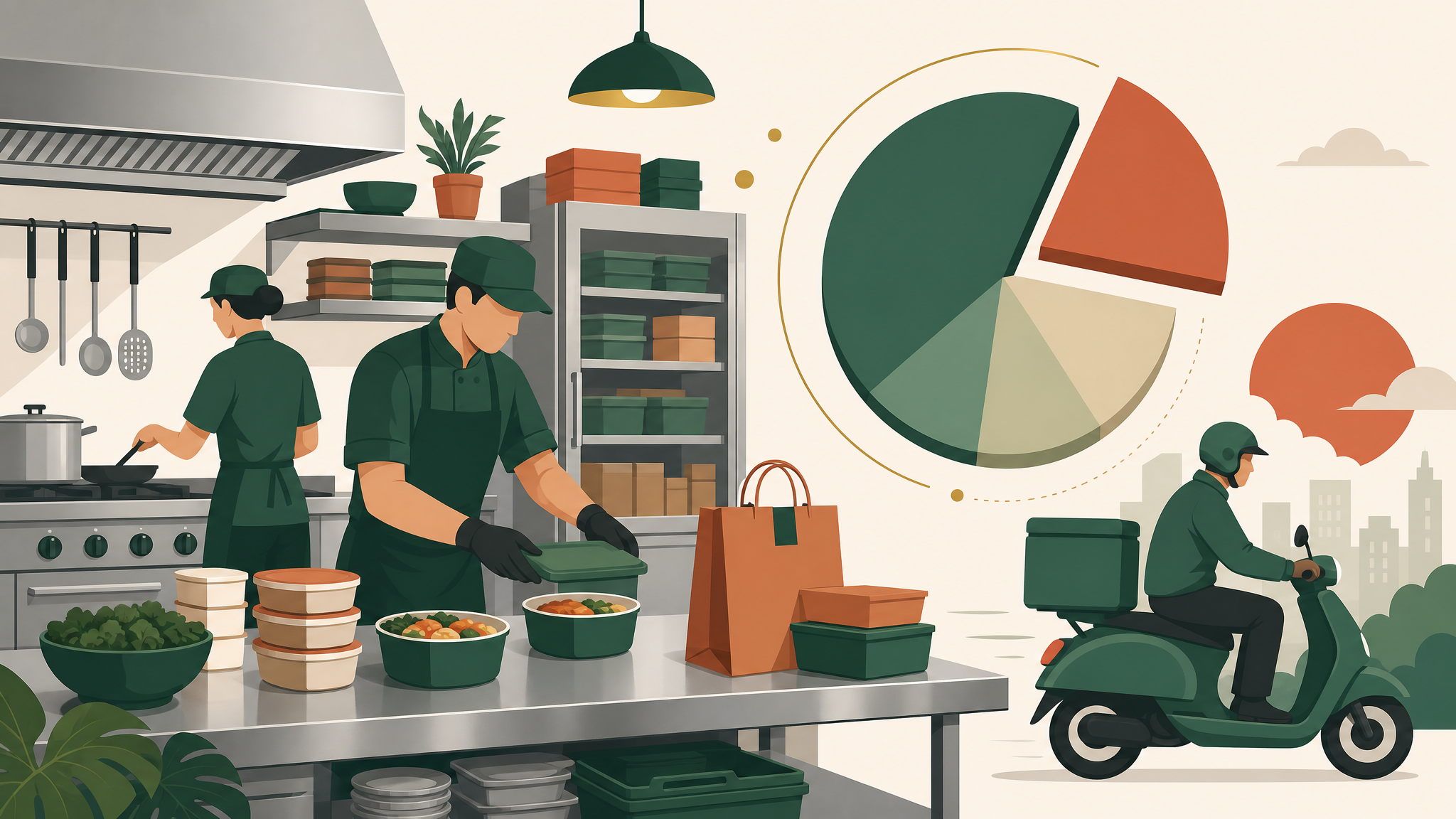
While platforms like GrabFood, LINE MAN, and Foodpanda provide essential reach, their commission fees (25-35% of order value) plus advertising costs are decimating restaurant margins on delivery orders.
5. Consumer Caution
High household debt and economic uncertainty mean Thai consumers are trading down — choosing cheaper options, cooking at home more, and being more selective about when they dine out.
Free: Daily Operations Playbook
Download our proven daily operations playbook used by successful restaurant owners to run smooth, profitable shifts.
No spam, ever. Unsubscribe anytime.
Survival Strategies for Independent Operators
Strategy 1: Streamline Your Menu
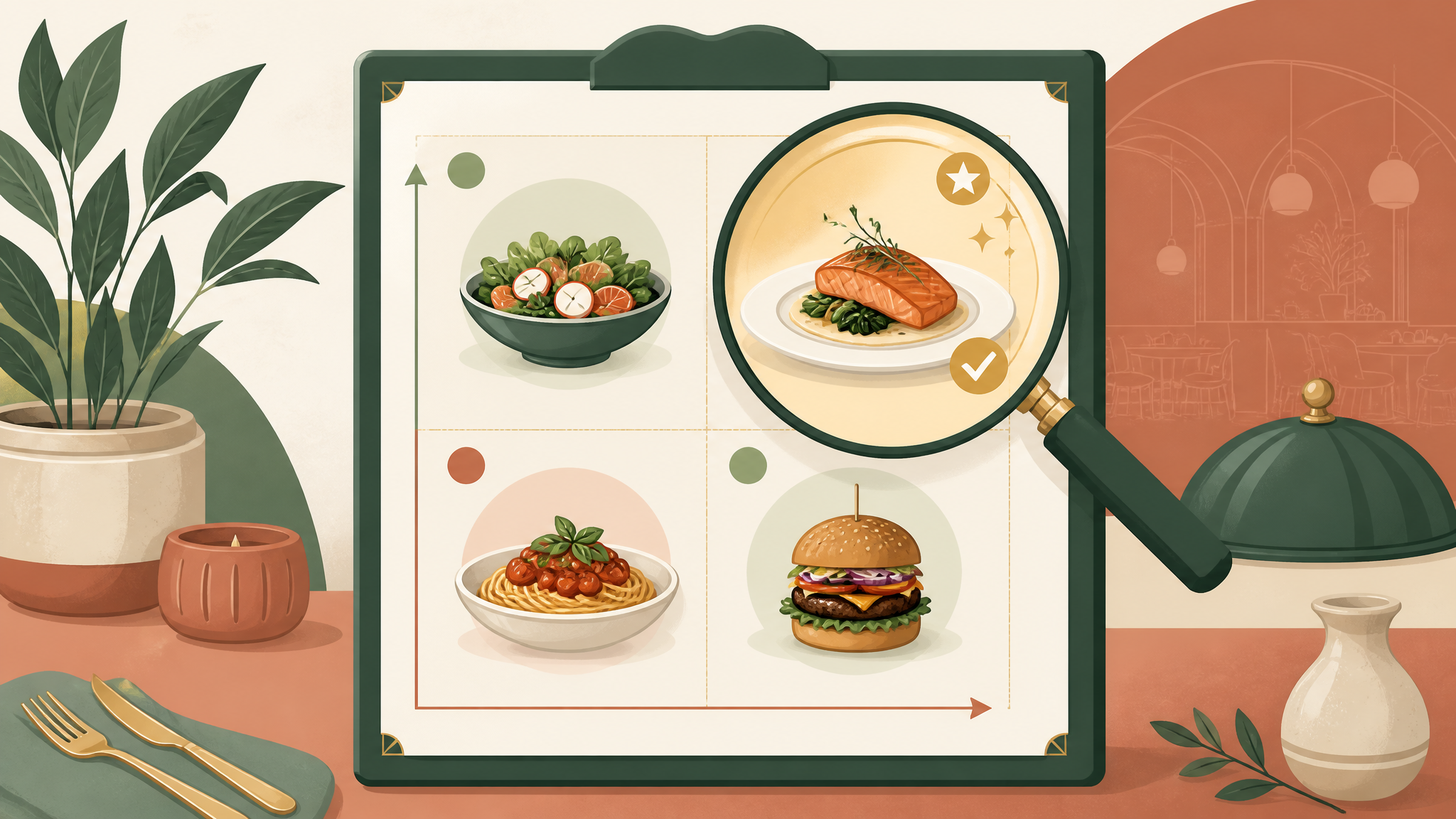
Reduce your menu to 15-25 high-performing items. Every additional dish adds complexity, waste, and training requirements. The most profitable Thai restaurants in 2026 are the ones with focused, efficient menus.
Strategy 2: Explore Secondary Cities
Bangkok is oversaturated. There's a growing trend toward "destination dining" in cities like:
- Chiang Rai — lower rent, growing domestic tourism
- Khon Kaen — university city with young, adventurous diners
- Hua Hin — retirement and weekend getaway market
Rent in secondary cities can be 60-70% lower than central Bangkok.
Strategy 3: Build Direct Delivery
Invest in your own ordering system (LINE Official Account with integrated ordering, or a simple website) to reduce platform dependency. Even shifting 20% of delivery orders to direct channels can save ฿15,000-25,000/month in commission fees.
Strategy 4: Automate Front-of-House
Self-ordering kiosks, QR-code menus, and digital payment systems reduce the number of front-of-house staff needed by 2-3 positions. At ฿400/day each, that's a potential savings of ฿24,000-36,000/month.
What It Actually Costs to Open a Restaurant in Thailand
| Cost Category | Bangkok | Chiang Mai | Phuket |
|---|---|---|---|
| Monthly rent (60 sqm) | ฿35,000-80,000 | ฿15,000-35,000 | ฿25,000-60,000 |
| Kitchen equipment | ฿200,000-500,000 | ฿150,000-350,000 | ฿180,000-450,000 |
| Renovation & fit-out | ฿300,000-800,000 | ฿200,000-500,000 | ฿250,000-700,000 |
| Licensing & permits | ฿30,000-60,000 | ฿25,000-50,000 | ฿30,000-60,000 |
| Working capital (3 months) | ฿200,000-400,000 | ฿120,000-250,000 | ฿180,000-350,000 |
These numbers vary enormously by concept, location, and ambition. The only way to get clarity is to model your specific situation.
👉 [Get accurate Thai restaurant startup costs with our free City Cost Calculator](/tools/startup-cost-by-city) — select your city and concept to see real 2026 numbers.
The Opportunity in the Crisis
Every wave of closures creates opportunity for well-prepared operators. The restaurants that thrive in 2026 Thailand will be those that:
- Keep food costs below 33% through smart menu engineering
- Run lean teams augmented by technology
- Build direct customer relationships instead of platform dependency
- Choose locations based on economics, not prestige
Tags
Recommended Tools
Put This Knowledge Into Action
Use these tools to apply what you just learned