The Philippines’ Cloud Kitchen and Delivery Reality: Margins, GCash and Survival in 2026
Cloud kitchens promised cheap entry into Philippine F&B — but delivery commissions, inflation, a tight labour market, and digital-payment fees are squeezing operators hard. Here is the honest 2026 playbook for Filipino restaurants and delivery-first brands.
Why Are Cloud Kitchens So Popular in the Philippines?
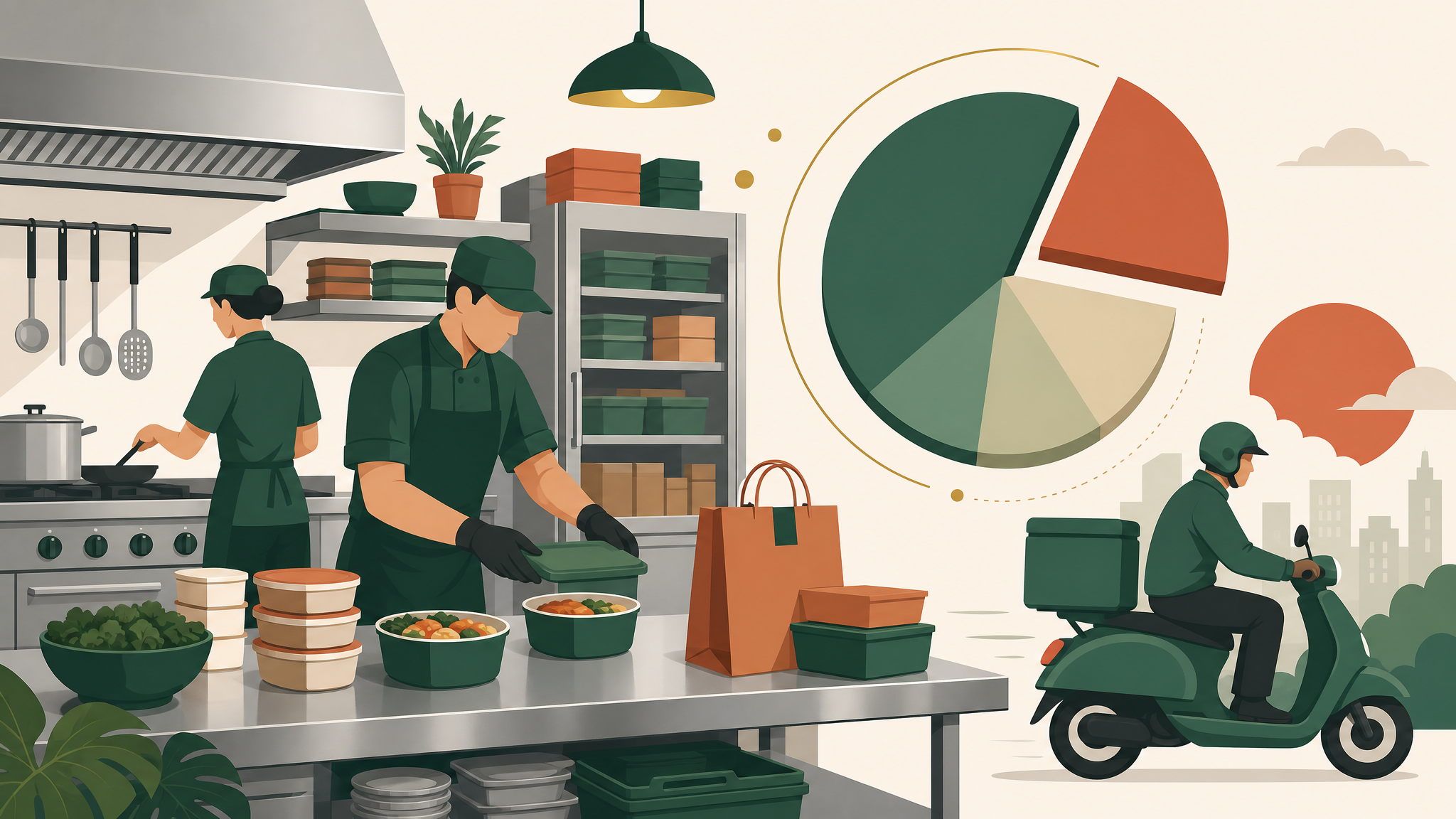
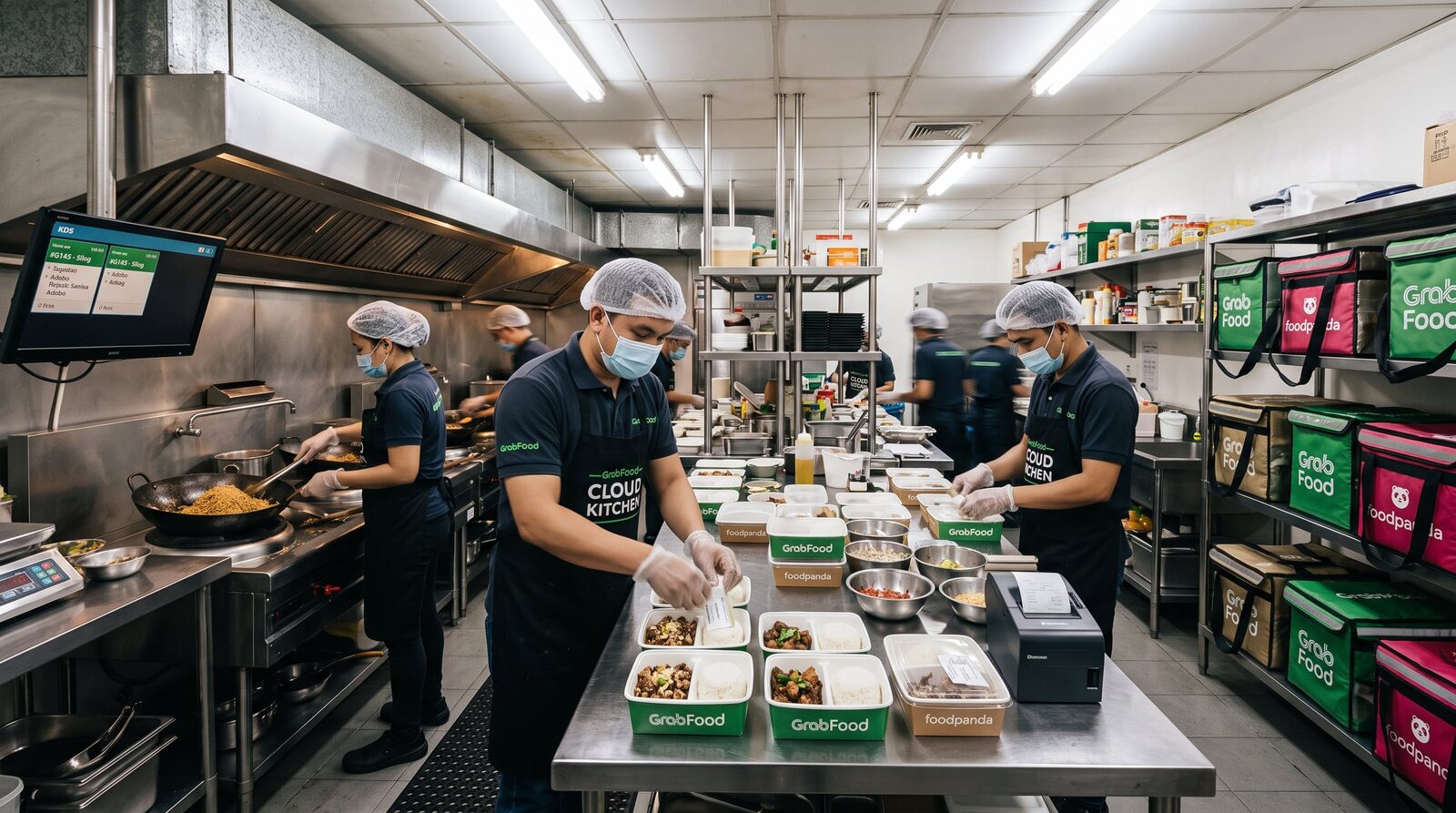
High mall rents and expensive fit-outs make traditional restaurants capital-intensive. Cloud kitchens flip the model: a shared or low-cost commercial kitchen, no dining room, and revenue driven entirely by delivery apps and pickup. For a new brand in Metro Manila, Cebu, or Davao, that can mean launching for a fraction of the cost of a dine-in outlet.
But low entry cost also means low barriers for everyone — so competition on the delivery apps is ferocious, and visibility must often be bought through promotions.
What Are the Real Costs Killing Cloud Kitchen Margins?
1. Delivery Commissions
GrabFood and Foodpanda are the gatekeepers of demand — and they charge 20–30% commission per order, plus paid promotions to stay visible. A brand that lives entirely on apps hands away a fifth to a third of revenue before food and labour.
2. Food Inflation
Rice, cooking oil, chicken, pork, and imported ingredients have all risen. Weather disruptions and import dependence keep prices volatile, compressing margins on value-priced menus that Filipino customers expect.
3. Digital-Payment Fees
GCash and Maya are how Filipinos pay online. Convenient, but merchant/processing fees (commonly around 1.5–2.5% depending on setup) add another slice off the top on cashless orders.
4. Labour and Retention
Skilled kitchen staff are in demand. Competition from large chains and overseas opportunities keeps wages rising and tenure short, adding recruitment and training costs.
5. Promotion Dependency
On saturated apps, discounts and ad spend are often the only way to rank — turning “sales” into near-breakeven volume if not managed carefully.
Free: Daily Operations Playbook
Download our proven daily operations playbook used by successful restaurant owners to run smooth, profitable shifts.
No spam, ever. Unsubscribe anytime.
Cloud Kitchen vs Traditional Restaurant: The 2026 Cost Picture
| Factor | Cloud Kitchen | Traditional Dine-In |
|---|---|---|
| Startup capital | PHP 300k–1.5M | PHP 2M–8M+ |
| Monthly rent | PHP 25k–80k | PHP 80k–300k+ |
| Revenue channel | Delivery + pickup | Dine-in + delivery |
| Commission exposure | Very high (20–30%) | Moderate |
| Brand visibility | App-dependent | Foot traffic + app |
| Margin risk | High if app-only | Spread across channels |
How Do Filipino Operators Actually Make Money in 2026?
Strategy 1: Design the Menu for Delivery
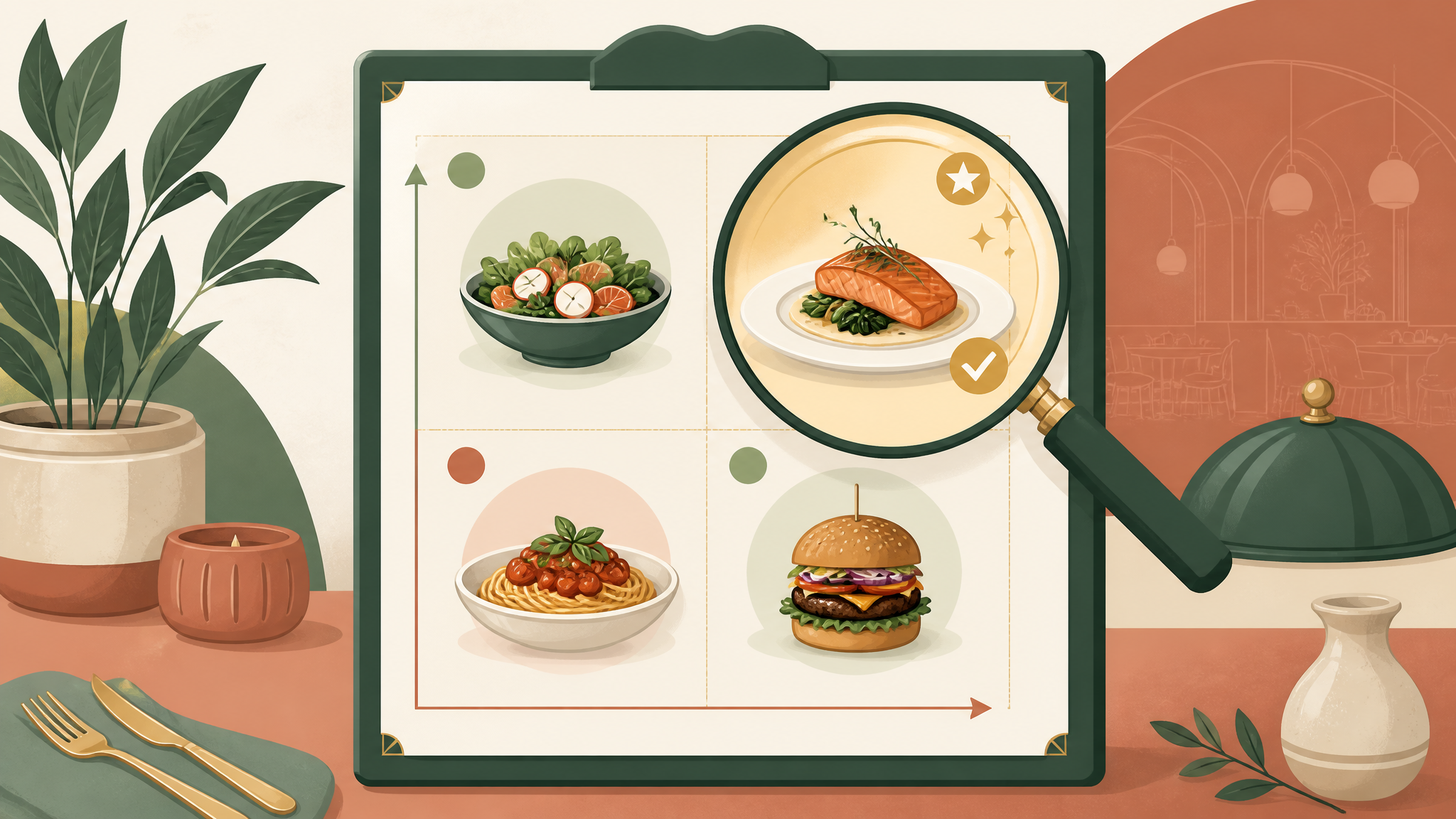
Focus on items that travel well, hold heat, and have strong margins. Cut dishes that arrive soggy or plate poorly — refunds and bad reviews destroy app ranking.
Strategy 2: Build Direct Ordering
Drive repeat customers to your own channels — a Facebook/Viber ordering flow, a simple website, or a QR menu — with GCash/Maya payment. Every direct order saves the 20–30% commission.
Strategy 3: Run Multiple Brands From One Kitchen
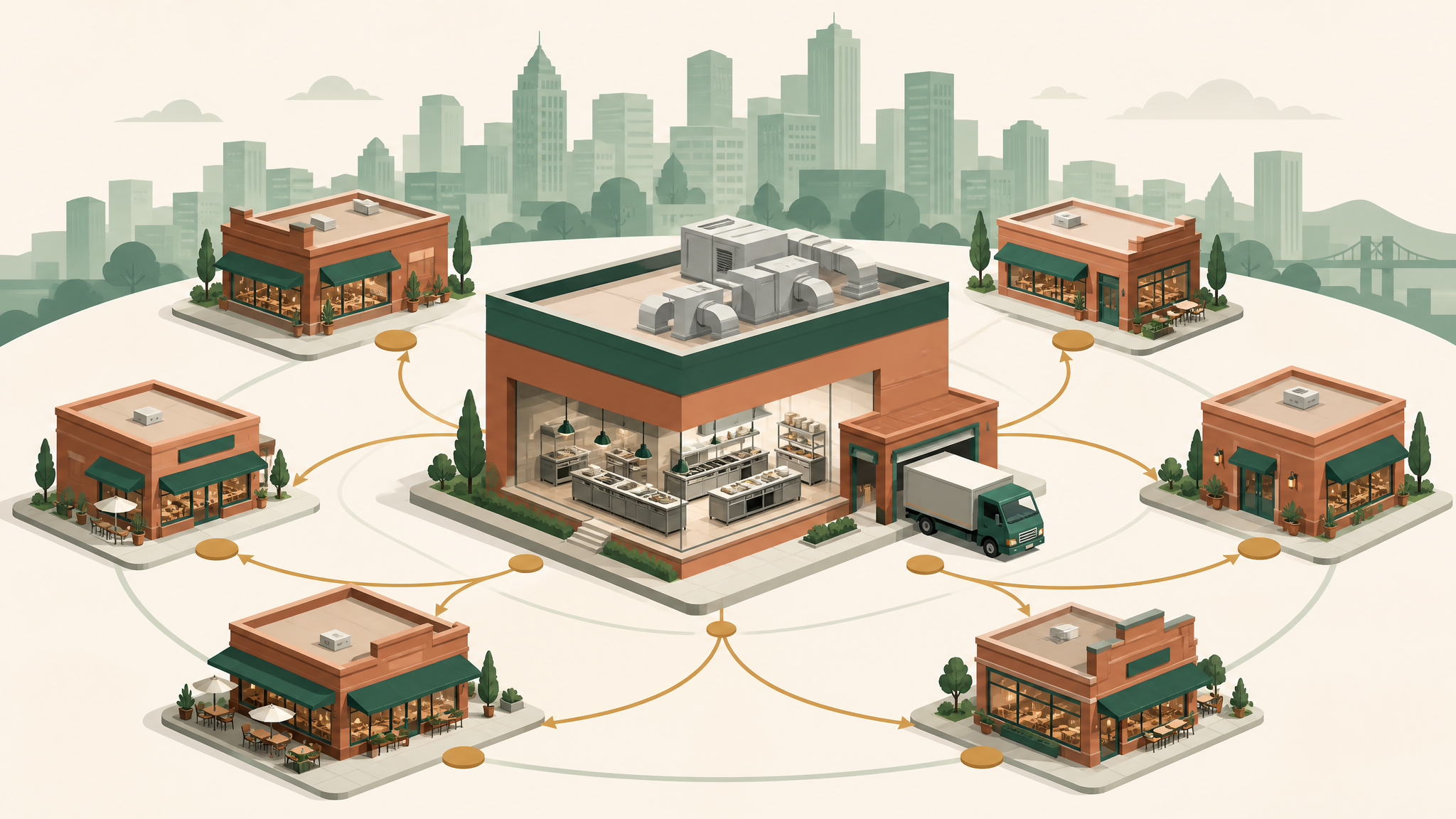
The genuine superpower of cloud kitchens: operate several delivery brands (e.g. fried chicken, rice bowls, milk tea) from one kitchen and staff, maximising revenue per square metre and per labour hour.
Strategy 4: Price for Fees, Not Against Them
Build commission and payment fees into your app pricing tier so delivery orders stay profitable, while keeping direct-channel prices attractive.
Strategy 5: Control Prime Cost
Keep food cost near 30–35% and labour tight. On thin delivery margins, prime cost discipline is the whole game.
Frequently Asked Questions
Are cloud kitchens profitable in the Philippines in 2026?
They can be — but only with disciplined delivery-optimised menus, direct-ordering channels to cut commissions, and multi-brand operations that maximise revenue per kitchen. App-only, discount-dependent brands often run at near breakeven.
How much commission do GrabFood and Foodpanda charge in the Philippines?
Typically 20–30% per order, plus optional paid promotions to improve visibility.
Do GCash and Maya charge restaurants fees?
Yes — merchant/processing fees commonly run around 1.5–2.5% depending on the merchant setup, which should be built into pricing.
How much does it cost to start a cloud kitchen in the Philippines?
Roughly PHP 300,000 to PHP 1.5 million depending on location, equipment, and whether you use a shared facility — far below the PHP 2M–8M+ for a full dine-in restaurant.
The Bottom Line
The cloud kitchen model is still one of the smartest ways to enter Philippine F&B — but 2026 punishes operators who treat delivery apps as free demand. The winners engineer their menus for delivery, own their customer relationships, run multiple brands efficiently, and price for the fees they cannot avoid. Volume without margin is just expensive activity.
👉 [Thinking of launching a delivery brand? Try our free Restaurant Name Generator](/free-tools/restaurant-name-generator) — create catchy, memorable brand names built to stand out on the delivery apps.
Tags
Recommended Tools
Put This Knowledge Into Action
Use these tools to apply what you just learned