Thailand’s Cafe Bubble: Surviving Coffee Shop Oversaturation and the 2026 Cost Squeeze
Thailand opened tens of thousands of new cafes in a few short years — and now the shakeout has begun. With a 400-baht minimum wage, uneven tourism, and delivery fees eating margins, here is how Thai coffee shops and restaurants survive an oversaturated 2026 market.
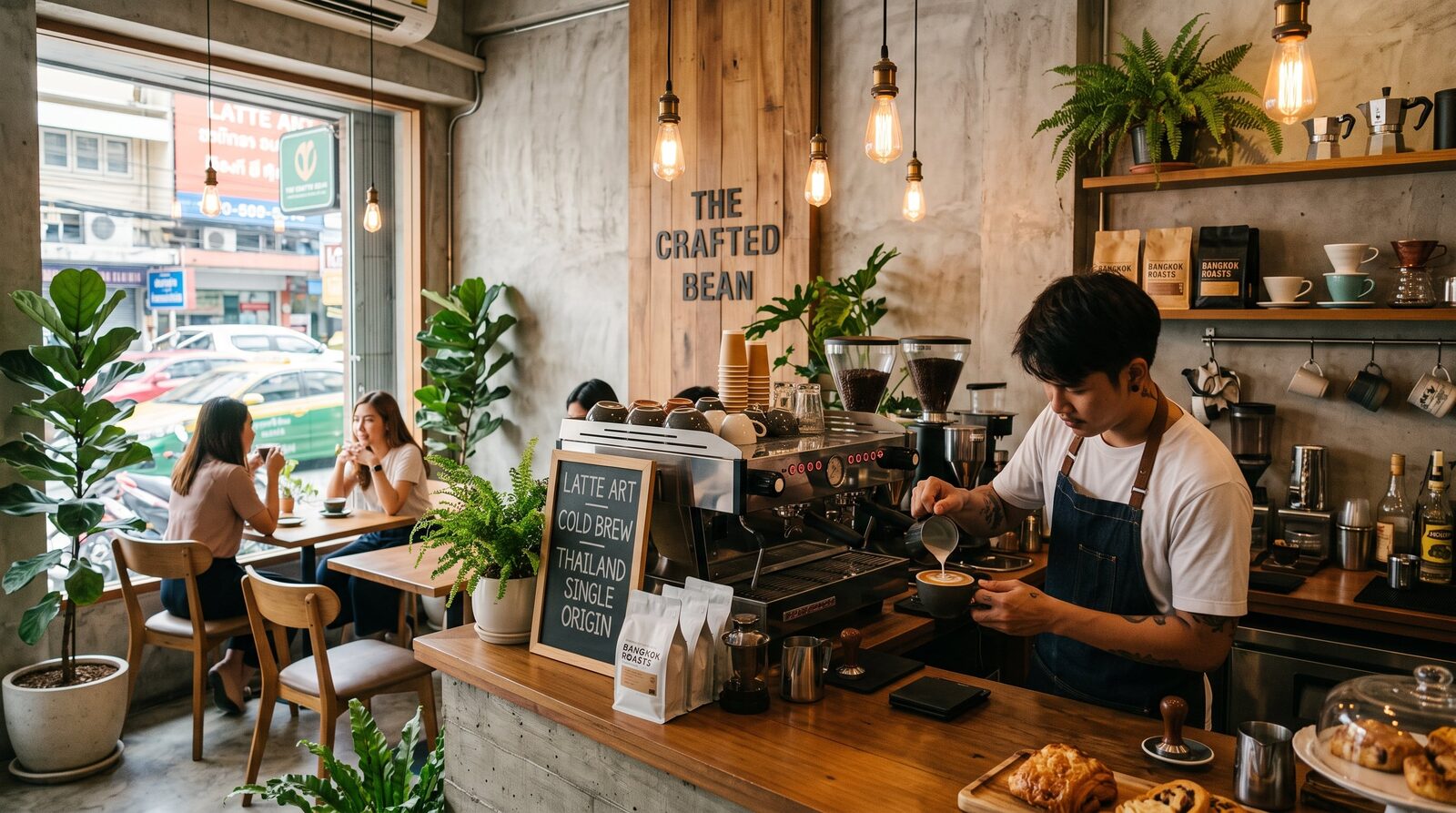
Here is what is happening and how focused operators are winning.
Why Is Thailand’s Cafe Market So Oversaturated?
Thailand fell in love with cafe culture, and capital poured in. Aesthetic, Instagram-driven coffee shops multiplied across Bangkok, Chiang Mai, Phuket and even secondary towns. Coffee is now woven into daily Thai life — but supply has outrun demand.
The consequences of oversaturation are textbook:
- Price competition — too many similar cafes fighting for the same customers on discounts.
- Copycat concepts — minimalist interiors and identical menus that give customers no reason to be loyal.
- Short lifespans — many new cafes close within 12–24 months once the opening buzz fades.
In a saturated market, being “nice” is not a strategy. Being distinct and financially disciplined is.
The Five Forces Squeezing Thai Cafe Margins in 2026
1. The 400-Baht Minimum Wage
The rollout of a THB 400/day minimum wage (up from THB 328–354 in many provinces) has reset the labour cost base. A cafe with 8 staff can face an extra THB 15,000–25,000/month once you add social security (SSO 5%) and knock-on raises for senior staff.
2. Uneven Tourism Recovery
Tourism has not fully rebounded in every segment, and arrivals from key markets remain volatile. Cafes reliant on tourist footfall in Sukhumvit, Old Town, or Phuket face unpredictable demand.
3. Delivery Platform Commissions
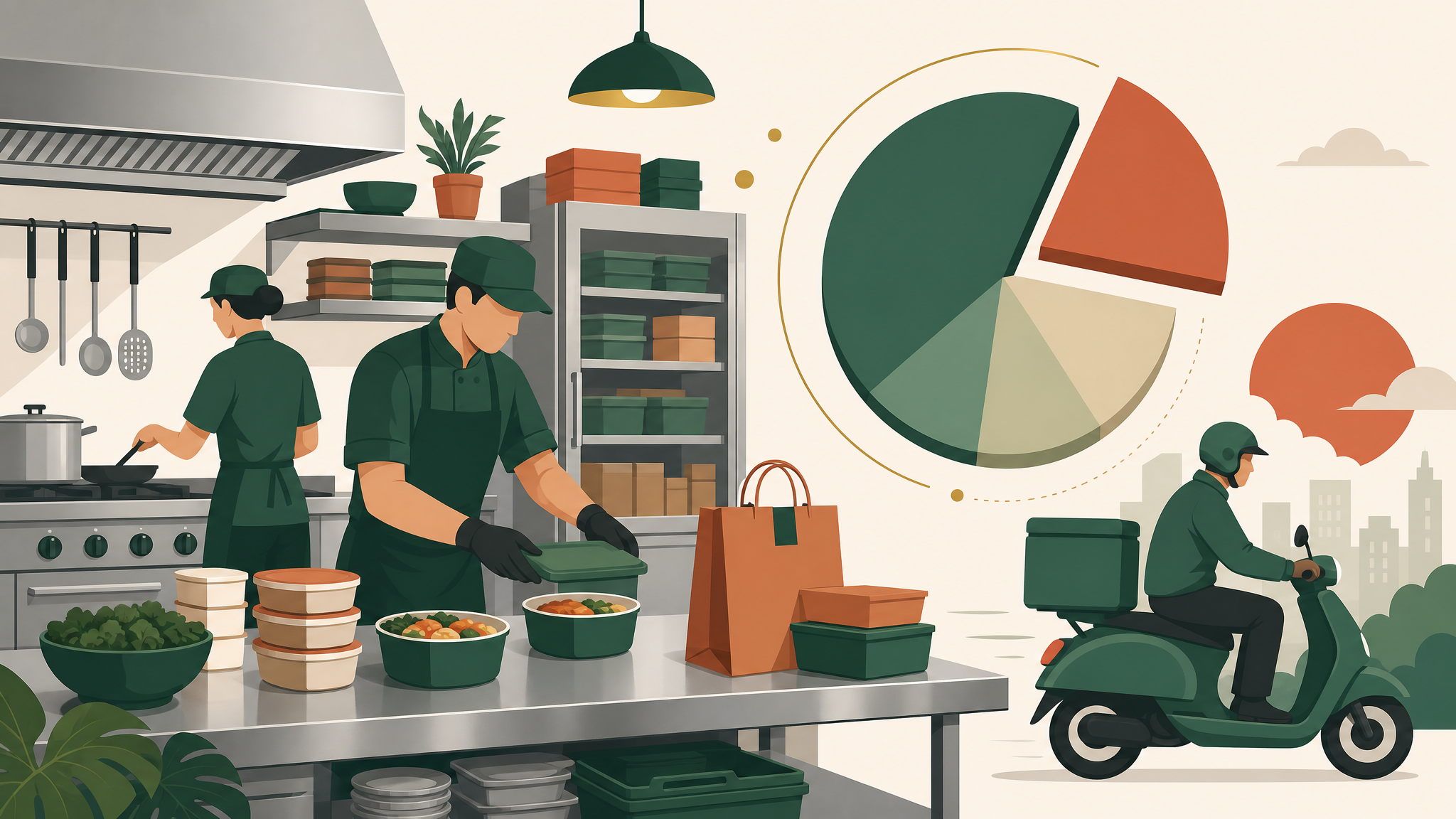
GrabFood, LINE MAN, Foodpanda and ShopeeFood provide reach but take 25–35% of order value, plus paid promotion. For a low-ticket coffee order, delivery can be barely breakeven.
4. Rising Input Costs
Coffee beans, dairy, and imported syrups have climbed with global commodity prices and a volatile baht. Milk-heavy menus are especially exposed.
5. Cautious Consumers
High household debt means Thai consumers are more selective. The daily THB 120 latte becomes an occasional treat when budgets tighten.
Free: Daily Operations Playbook
Download our proven daily operations playbook used by successful restaurant owners to run smooth, profitable shifts.
No spam, ever. Unsubscribe anytime.
What Does It Cost to Run a Cafe in Thailand?
| Cost Category | Bangkok | Chiang Mai | Phuket |
|---|---|---|---|
| Monthly rent (40–60 sqm) | THB 30,000–70,000 | THB 12,000–30,000 | THB 25,000–55,000 |
| Espresso setup & equipment | THB 250,000–700,000 | THB 200,000–500,000 | THB 220,000–600,000 |
| Renovation & fit-out | THB 300,000–900,000 | THB 200,000–550,000 | THB 250,000–750,000 |
| Monthly staff (blended) | THB 60,000–120,000 | THB 40,000–80,000 | THB 55,000–100,000 |
| Working capital (3 months) | THB 150,000–350,000 | THB 100,000–220,000 | THB 130,000–300,000 |
How Do Thai Cafes Survive an Oversaturated Market?
Strategy 1: Own a Clear Point of Difference
Specialty single-origin beans, a signature menu item, a genuine community hub, or a niche (pet-friendly, work-friendly, dessert-led). Give customers a reason beyond aesthetics.
Strategy 2: Defend Your Margin, Not Your Ego
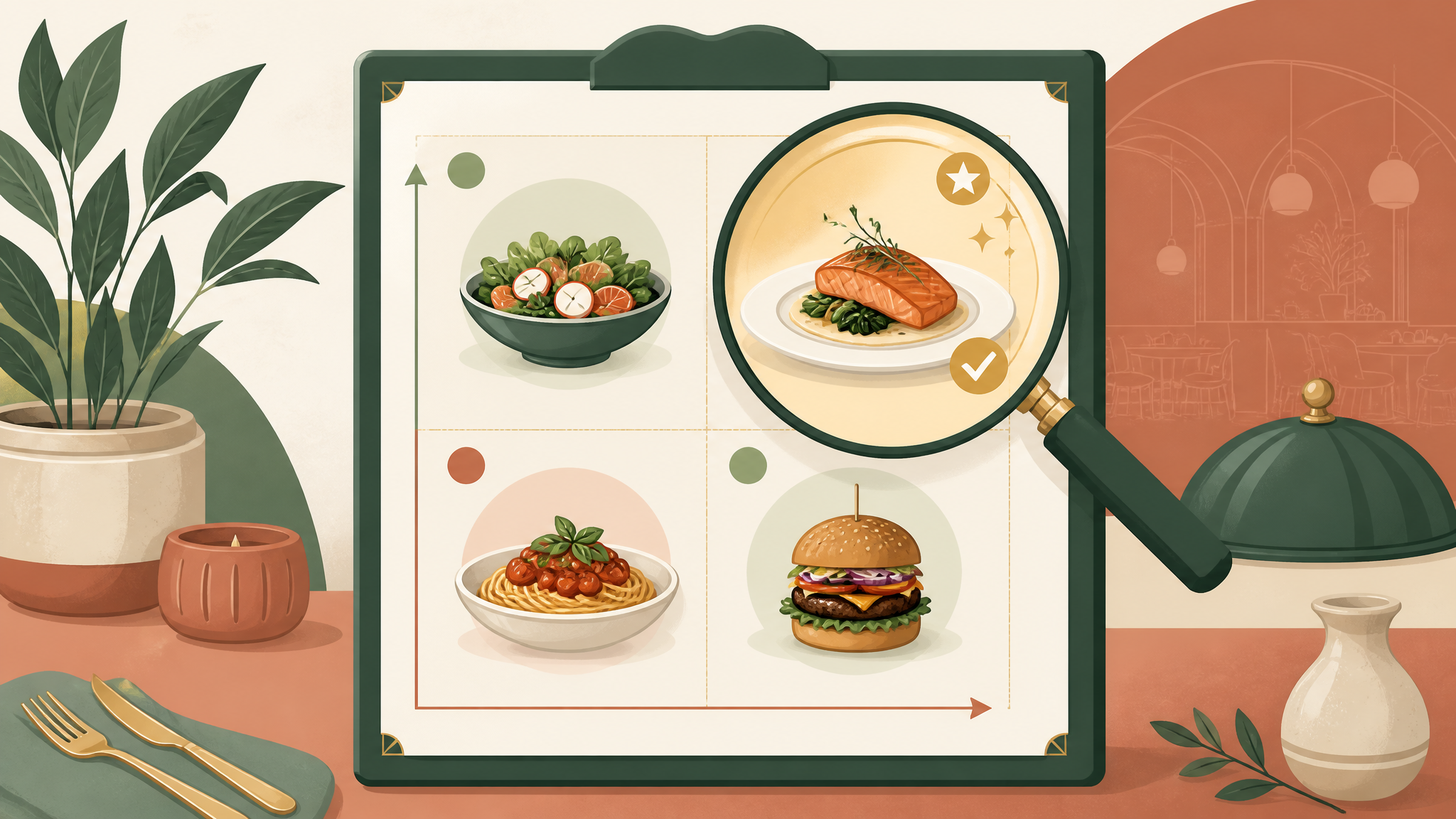
Keep beverage cost below 30% through supplier negotiation and portion discipline. Push high-margin signature drinks and food pairings that raise average spend per customer.
Strategy 3: Reduce Delivery Dependency
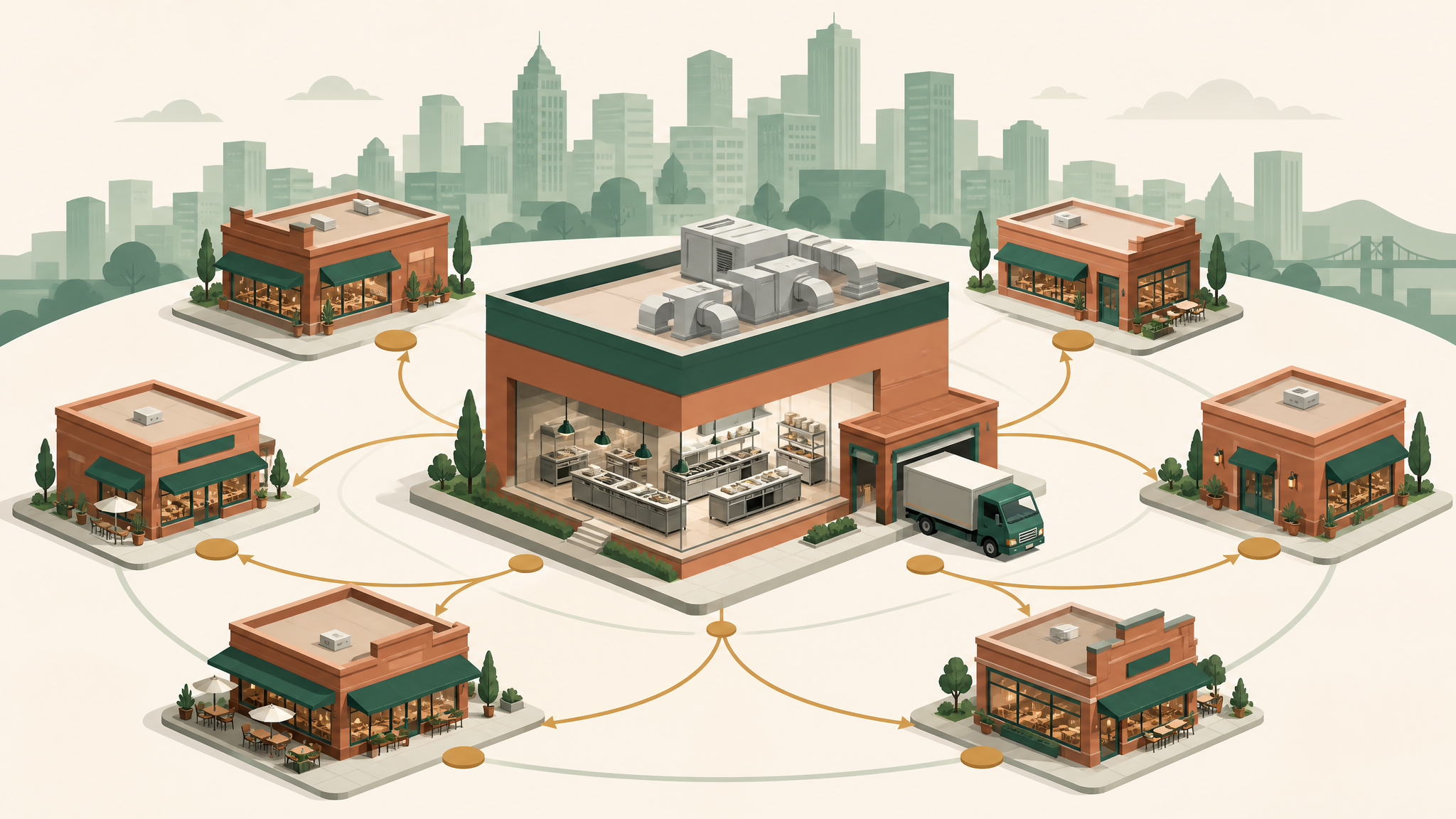
Build a LINE Official Account with direct ordering and a simple loyalty programme. Shifting even 20% of delivery volume to direct channels can save THB 10,000–20,000/month in commissions.
Strategy 4: Right-Size Labour With Technology
QR-code ordering and self-service reduce front-of-house needs. At THB 400/day per role, cutting 1–2 positions can save THB 12,000–24,000/month.
Strategy 5: Consider Secondary Cities
Bangkok is brutally competitive. Chiang Rai, Khon Kaen, Udon Thani and Hua Hin offer lower rent and growing domestic demand, where a distinctive cafe can dominate its local scene.
Frequently Asked Questions
Is Thailand’s cafe market oversaturated in 2026?
Yes. Years of rapid openings created intense competition, especially in Bangkok and Chiang Mai. Many undifferentiated cafes close within 12–24 months, while distinctive, well-run operators still thrive.
How much is the minimum wage for cafe staff in Thailand?
The minimum wage has moved toward THB 400/day in many provinces, up from THB 328–354, materially raising labour costs for service-heavy cafes.
How do delivery fees affect coffee shop profits in Thailand?
Platforms typically charge 25–35% commission plus promotion costs. On low-ticket coffee orders this can erase profit, which is why direct ordering via LINE is critical.
What beverage cost percentage should a Thai cafe target?
Aim to keep beverage cost under 30% of price through supplier negotiation, portion control, and promoting high-margin signature drinks.
The Bottom Line
Thailand’s cafe boom is maturing into a survival-of-the-fittest market. In 2026, the winners are distinctive, disciplined on cost, and less dependent on delivery platforms and tourist luck. A great flat white is table stakes; a defensible concept and clean unit economics are what keep the lights on.
👉 [Need a standout name for your Thai cafe concept? Try our free Restaurant Name Generator](/free-tools/restaurant-name-generator) — it creates distinctive, on-brand names for your cuisine and concept.
Tags
Recommended Tools
Put This Knowledge Into Action
Use these tools to apply what you just learned