Singapore’s Cafe Crunch: Surviving the 2026 Manpower Squeeze, Rising Wages and Rent Wall
Singapore’s cafe and coffee scene is being throttled by a shrinking labour pool, rising manpower costs, and rents that leave almost no room for error. Here is how independent cafe operators are re-engineering their operations to survive 2026.
Here is the full picture and the playbook.
Why Can’t Singapore Cafes Find Staff in 2026?
Three structural forces have collided:
- A shrinking, ageing local labour pool. Fewer Singaporeans and PRs want physically demanding, split-shift F&B roles.
- Tight foreign manpower policy. The services-sector Dependency Ratio Ceiling caps foreign workers as a share of headcount, and S Pass qualifying salaries and levies keep rising. You cannot simply import your way to a full roster.
- Fierce internal competition. Every cafe, restaurant, hotel, and central kitchen is fishing in the same tiny talent pond, pushing wages up 15–25% versus 2023.
The result: baristas and service crew are scarce and expensive, tenure is short, and constant re-hiring drains both cash and quality.
How Much Do Rising Manpower Costs Actually Add?
Manpower is now the line item that decides whether a cafe lives or dies. Between Progressive Wage step-ups, CPF contributions, and market competition, fully-loaded staff costs have climbed sharply.
| Cost Driver | 2023 | 2026 | Change |
|---|---|---|---|
| Barista monthly wage (local) | S$2,300 | S$2,850 | +24% |
| Service crew monthly wage | S$2,000 | S$2,450 | +22% |
| Employer CPF + levies (blended) | ~15% of wage | ~17% of wage | Higher |
| Avg. staff tenure | ~12 months | Under 9 months | Worse |
For a cafe running eight staff, a 20–25% jump in blended labour cost can wipe out S$8,000–S$12,000 of monthly profit — in a business where net margins already sit at 5–10%.
Free: Daily Operations Playbook
Download our proven daily operations playbook used by successful restaurant owners to run smooth, profitable shifts.
No spam, ever. Unsubscribe anytime.
The Rent Wall: Why Location Math Is Brutal
Rent remains the second killer. On renewal, many operators face 20–40% increases, and prime mall and CBD units command a heavy premium. When labour AND rent both climb double digits in the same year, there is simply no slack left in a traditional service model.
| Cost Category | 2023 Avg | 2026 Avg | Change |
|---|---|---|---|
| Prime/mall rent (psf/mo) | S$8.50 | S$11.20 | +32% |
| Neighbourhood shophouse (psf/mo) | S$5.80 | S$7.40 | +28% |
| Industrial / central kitchen (psf/mo) | S$3.20 | S$4.10 | +28% |
What Actually Works: The 2026 Cafe Survival Playbook
Strategy 1: Automate the Repetitive, Keep the Human Touch
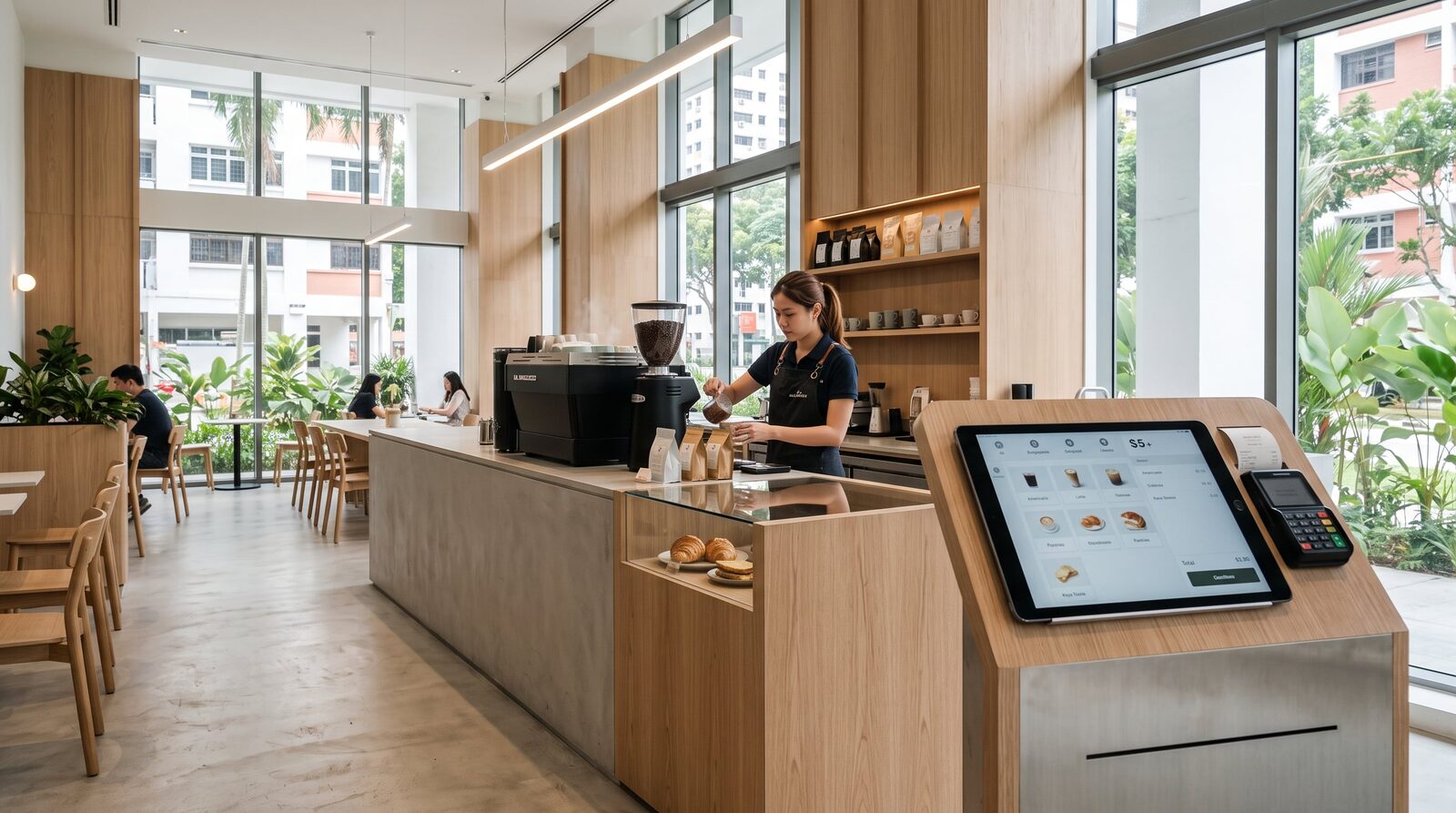
Self-order kiosks, QR-code table ordering, integrated PayNow/e-wallet payments, and automated dishwashing reduce front-of-house headcount by 1–3 roles. Redeploy your best people to coffee craft and hospitality — the things customers actually pay a premium for.
Strategy 2: Redesign the Menu for Labour Efficiency
Every dish that needs a dedicated skilled cook is a liability in a labour crisis. Tighten to a focused menu of 15–25 items engineered for speed, low waste, and consistent output with a smaller team.
Strategy 3: Tap Government Productivity Support
Schemes supporting automation, digital solutions, and job redesign can offset a meaningful share of your technology investment. Kiosks and kitchen automation that pay back in 6–12 months become even more attractive with co-funding.
Strategy 4: Split Production From Storefront
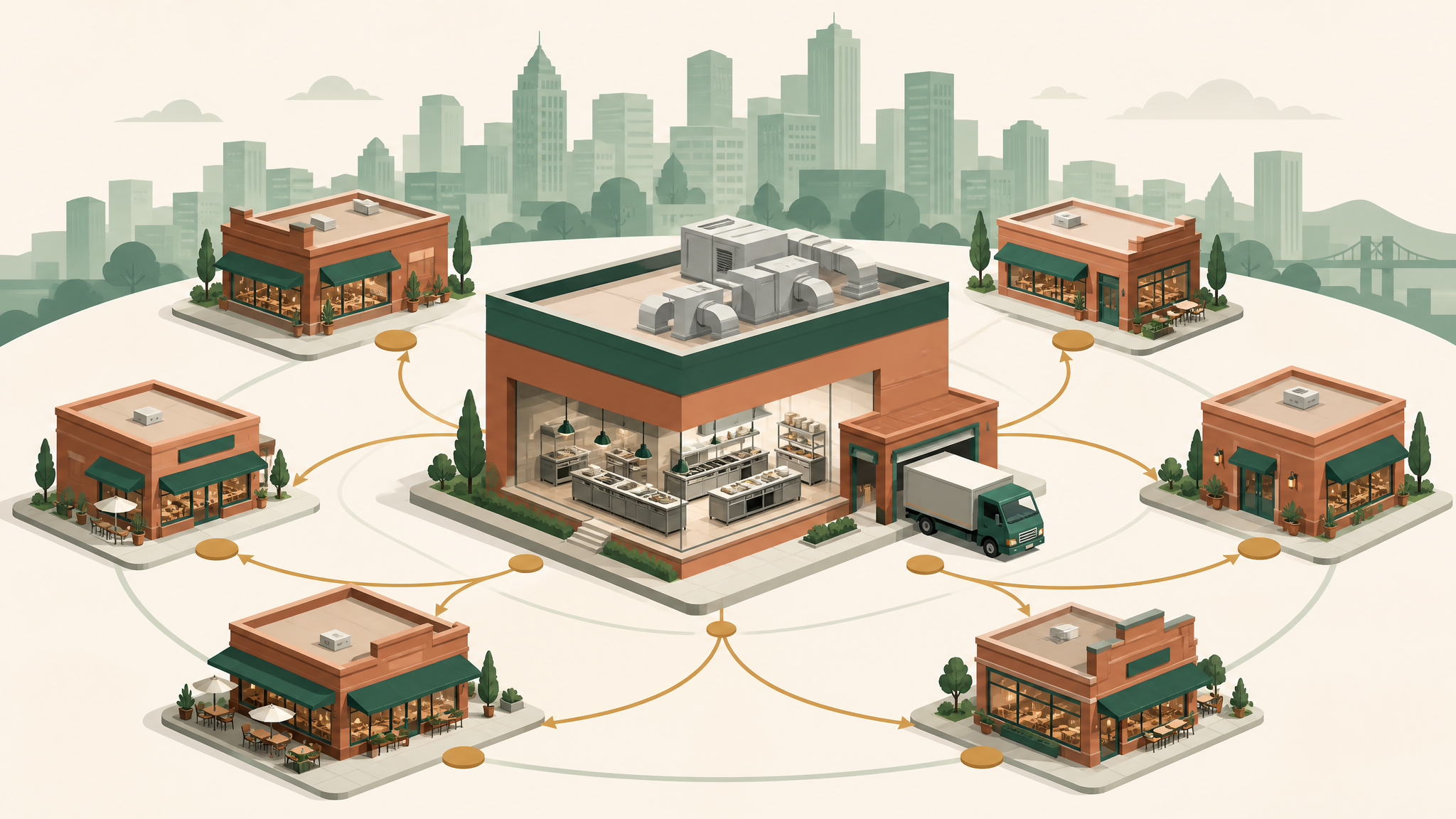
Run prep and baking from a lower-rent central or industrial kitchen and keep a small, high-traffic storefront. This slashes the rent-per-cover on your most expensive square footage while concentrating labour where it is efficient.
Strategy 5: Build Direct Digital Revenue
Own ordering channels (your own web ordering, loyalty app, PayNow) protect margin that delivery platforms erode with 25–35% commissions. Even shifting 20% of delivery to direct channels meaningfully improves the bottom line.
What This Means If You Are Opening a Cafe in Singapore
SFA licensing, NEA hygiene grading, and any URA/BCA approvals are unchanged — but the margin for error has vanished. Before you sign a lease, you need to know your breakeven covers per day at 2026 labour and rent costs, not 2023 assumptions.
👉 [Use our free City Cost Calculator to get accurate Singapore cafe startup and operating costs by area](/tools/startup-cost-by-city) — built on current 2026 rent, wage and licensing data.
Frequently Asked Questions
Why is it so hard to hire cafe staff in Singapore in 2026?
A shrinking, ageing local workforce combined with tight foreign worker quotas (Dependency Ratio Ceiling, S Pass sub-quotas and rising levies) means demand for F&B staff far outstrips supply, pushing wages up and tenure down.
How can a small cafe reduce labour costs without cutting service?
Automate repetitive tasks (self-order kiosks, QR ordering, digital payments, dishwashing), redesign the menu for speed and low waste, and redeploy skilled staff to coffee craft and hospitality where customers value the human touch.
Are there grants to help Singapore cafes automate?
Yes — government productivity, digitalisation and job-redesign schemes can co-fund automation and technology, improving payback on kiosks and kitchen equipment.
What net margin should a Singapore cafe target in 2026?
Healthy independents aim for 8–12% net, achieved by keeping prime cost (food + labour) under control — typically food cost near 30% and labour managed tightly through automation.
The Bottom Line
Singapore’s cafe scene is not dying — it is professionalising. In 2026, the winners run leaner teams supercharged by technology, price with discipline, and treat labour productivity as their core competitive advantage. Passion and good coffee are no longer enough; operational engineering is what keeps the doors open.
👉 [Wondering if your cafe concept can survive 2026 costs? Take our free Restaurant Readiness Quiz](/quiz) — it evaluates your financial and operational readiness in under 5 minutes.
Tags
Recommended Tools
Put This Knowledge Into Action
Use these tools to apply what you just learned