Restaurant Tech in Southeast Asia: What's Actually Worth the Investment in 2026
From self-ordering kiosks to AI menu optimization and robotic servers, here's what restaurant technology is delivering real ROI in Southeast Asia — and what's just hype.
There's a robot serving laksa at a hawker centre in Singapore. A cloud kitchen in Bangkok running 6 different brands from one location. An AI system in Jakarta optimising menu prices in real-time based on demand patterns.
Restaurant technology in Southeast Asia has moved from "nice to have" to "survive or die" — but not all technology delivers equal value. For every genuinely useful tool, there's an overhyped solution that costs more than it saves.
This guide cuts through the noise. Here's what's actually worth your money in 2026, based on real adoption data and ROI from SEA restaurants.
The Technology That's Delivering Real ROI
1. QR Code Ordering Systems
Adoption rate (Singapore 2025): 35% of restaurants
Investment: SGD 200-500/month ROI: Typically positive within 2-3 monthsQR code ordering is the single highest-ROI technology investment for most SEA restaurants. Here's why:
- Reduces front-of-house staff needs by 1-2 per shift — at SGD 1,800-2,200/month per staff member, the savings are immediate
- Increases average order value by 12-20% — digital menus make upselling automatic through suggested add-ons and combo offers
- Eliminates order errors — no more miscommunication between servers and kitchen
- Provides data — know exactly what's ordered, when, and by whom
2. Self-Service Kiosks
Adoption rate (Singapore 2025): 90% of fast-food outlets
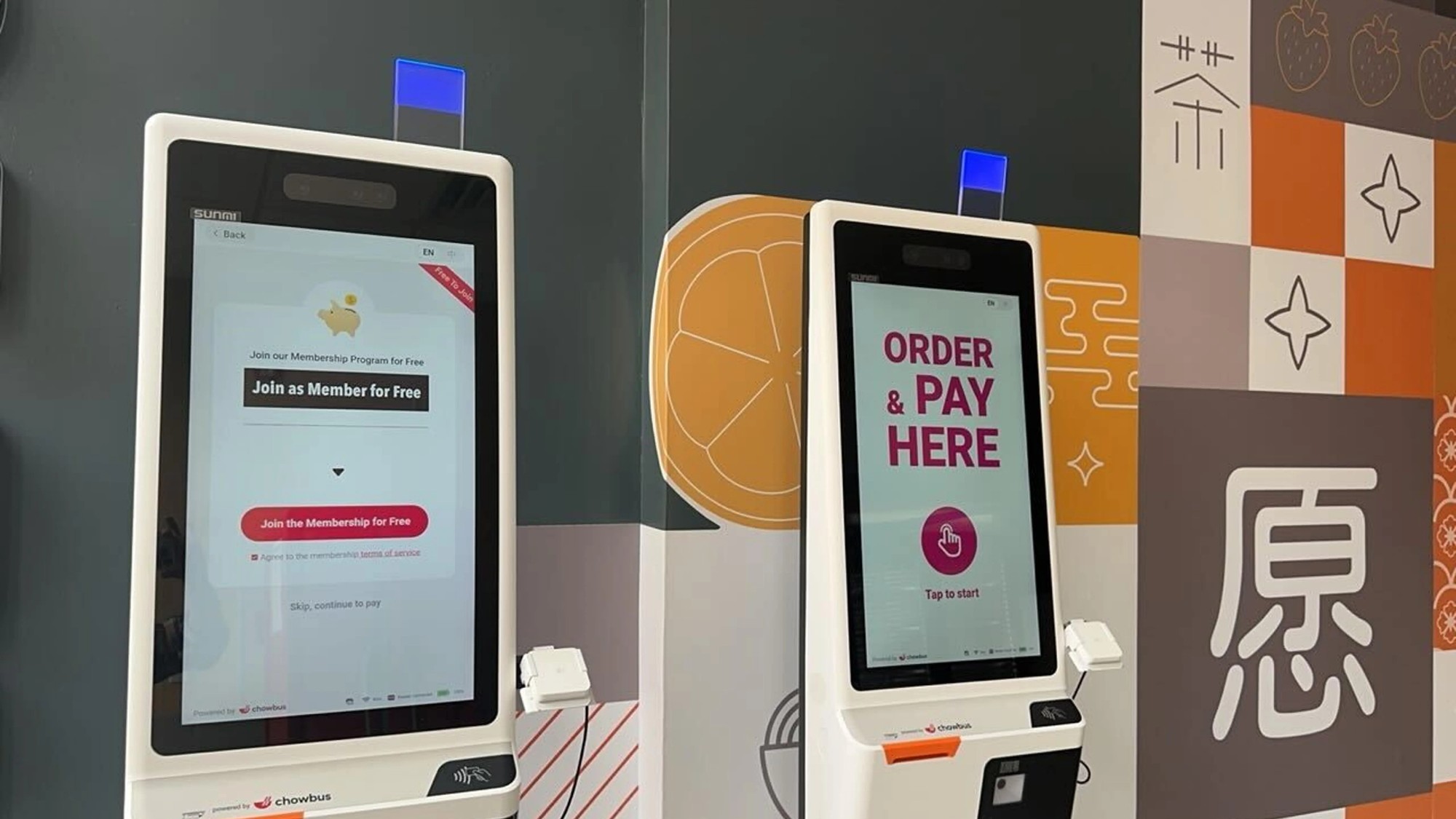
Investment: SGD 3,000-8,000 per kiosk + monthly software fees ROI: 6-12 months for high-traffic locationsKiosks have become the default ordering method in Singapore's fast-food landscape, and they're spreading to casual dining and food courts across SEA.
Key benefits:
- Average order value increases 15-25% compared to counter ordering
- Customers spend more when they don't feel "judged" by a human for adding extras
- During peak hours, kiosks dramatically reduce queue times
- Multi-language support is built in — critical in multilingual SEA markets
3. Kitchen Display Systems (KDS)
Investment: SGD 150-300/month
ROI: Immediate through error reductionReplacing paper tickets with digital kitchen displays:
- Eliminates verbal relay errors (a major source of waste and customer complaints)
- Tracks preparation times automatically
- Prioritises orders intelligently during rush periods
- Provides data on kitchen efficiency and bottlenecks
4. Inventory Management Software
Investment: SGD 100-300/month
ROI: 3-6 months through waste reductionThe restaurants still doing inventory on paper or spreadsheets are leaving money on the table. Modern inventory systems:
- Track ingredient usage against recipes to identify over-portioning
- Automate reorder alerts to prevent both stockouts and over-ordering
- Calculate actual food costs in real-time, not just at month-end
- Predict demand based on historical patterns, weather, and day of week
Food waste typically drops 10-15% within the first 3 months of implementation.
5. Cloud Kitchen Infrastructure
The model: Delivery-only kitchen without a dining area.
Cost: 40-60% lower overhead than traditional restaurants Growth: Fastest-growing foodservice segment in SEA — 25% CAGR projected through 2031 in ThailandCloud kitchens aren't just for startups. Established restaurants are using them to:
- Test new concepts without a full lease commitment
- Expand delivery coverage by placing kitchens in high-demand zones
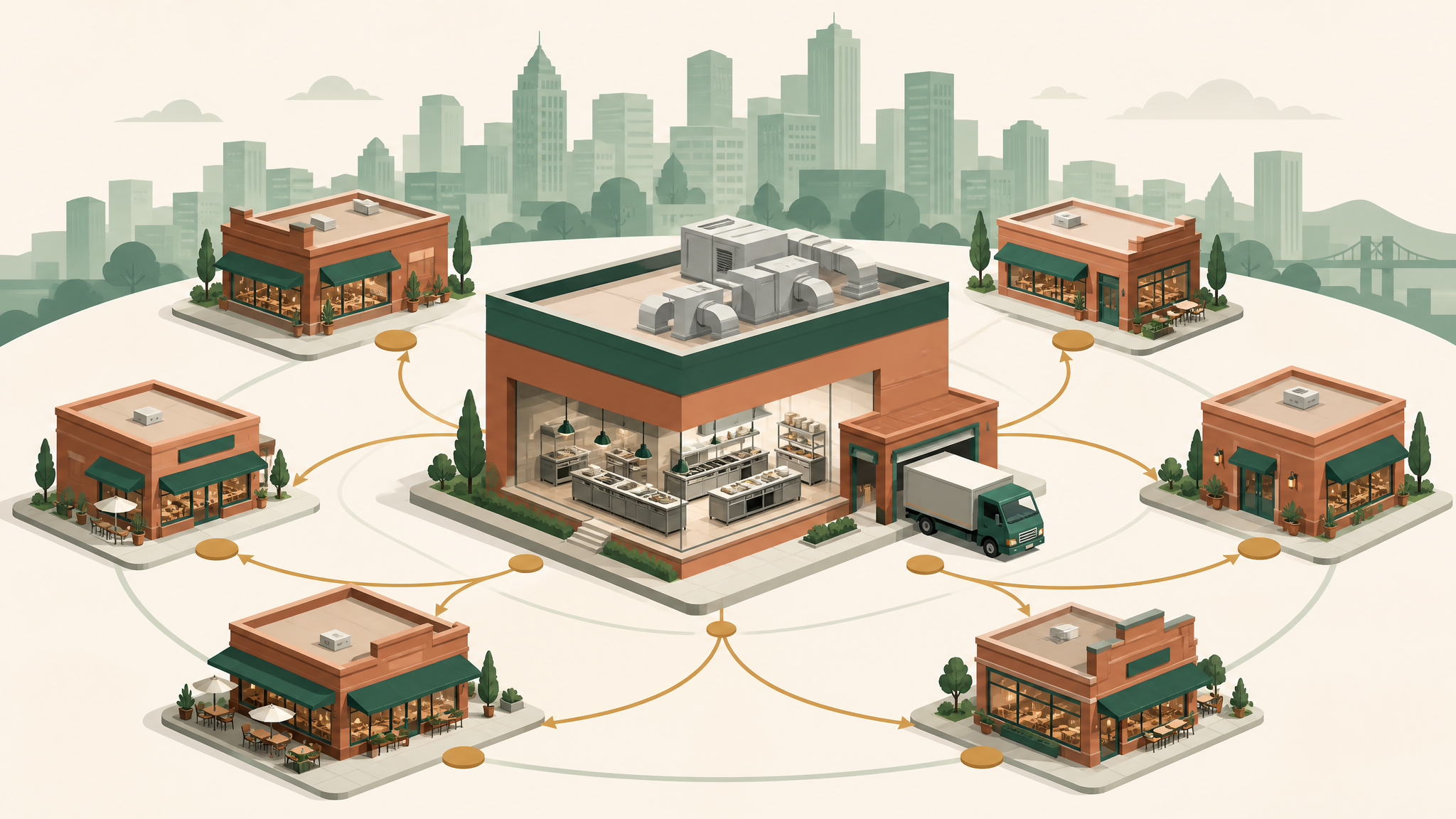
- Run multiple brands from a single production facility
- Scale quickly without the 6-12 month timeline of traditional restaurant fit-outs
Free: Daily Operations Playbook
Download our proven daily operations playbook used by successful restaurant owners to run smooth, profitable shifts.
No spam, ever. Unsubscribe anytime.
Technology With Mixed Results (Proceed With Caution)
Robotic Servers
Adoption: ~150 restaurants in Singapore
Investment: SGD 1,500-2,000/month lease The reality: Robots supplement, they don't replace.Robotic servers can handle basic food-running tasks — carrying dishes from kitchen to table. What they can't do:
- Navigate narrow, crowded restaurants well
- Handle unexpected situations (spills, complex customer requests)
- Provide the human warmth that many Asian dining cultures expect
- Work on multiple levels or uneven surfaces
AI-Powered Menu Optimisation
What it promises: Dynamic pricing and menu composition based on demand patterns, weather, ingredient costs, and competitor pricing.
The reality: Promising but still maturing for SEA markets.The data requirements are significant — you need months of clean transaction data before the algorithms become useful. For high-volume operations with 100+ daily transactions, the ROI potential is real. For smaller restaurants, a well-managed spreadsheet still outperforms most AI tools.
Automated Cooking Equipment
Examples: Robotic wok systems, automated rice cookers, programmable fryers
Investment: SGD 10,000-50,000+ per unit The pitch: Consistent quality, reduced labour, faster output.The technology works — but it works best for high-volume, repetitive cooking tasks. A robotic wok that makes the same fried rice 200 times a day delivers clear value. The same system trying to handle a varied menu of 30 items is far less effective.
Technology That's Overhyped (For Now)
Full Restaurant Automation
Despite the headlines, fully automated restaurants remain a novelty, not a viable business model for most SEA markets. The technology costs are prohibitive, maintenance is complex, and customers in most Asian cultures still expect a degree of human interaction.
Blockchain for Supply Chain
The concept of tracking every ingredient from farm to plate via blockchain is theoretically appealing. In practice, the infrastructure isn't there — especially in SEA markets where many suppliers are small, informal operations.
VR/AR Dining Experiences
Mostly marketing gimmicks at this point. Customers want good food at fair prices, not virtual reality headsets.
The Technology Stack for Different Restaurant Types
Budget Setup (< SGD 500/month)
Ideal for hawker stalls, small cafés, single-concept restaurants:
- QR code ordering system
- Basic POS with cloud reporting
- WhatsApp Business for direct orders and customer communication
- Simple accounting software
Mid-Range Setup (SGD 500-2,000/month)
Ideal for casual dining, fast-casual chains, food courts:
- Everything above, plus:
- Kitchen display system
- Inventory management software
- Loyalty programme / CRM
- Delivery platform integration
Premium Setup (SGD 2,000+/month)
Ideal for multi-outlet chains, high-volume operations:
- Everything above, plus:
- Self-service kiosks
- Advanced analytics and reporting
- Automated scheduling software
- Integration with accounting systems
- Consider robotic assistance for specific tasks
Country-Specific Tech Trends
| Country | Leading Trend | Driver |
|---|---|---|
| Singapore | Self-service kiosks + robotics | Labour shortage severity |
| Malaysia | QR ordering + delivery integration | Growing digital-first consumers |
| Thailand | Cloud kitchens + delivery platforms | Massive delivery adoption |
| Indonesia | Mobile payment integration | Digital wallet dominance (OVO, DANA, GoPay) |
| Vietnam | E-commerce integration | ShopeeFood + social commerce culture |
| Philippines | Basic digitisation + social media ordering | Infrastructure catch-up phase |
How to Evaluate Any Restaurant Technology
Before investing in any technology, answer these 5 questions:
Technology should serve your restaurant's strategy — not become the strategy itself. The best-run restaurants in SEA use technology to make good operators more efficient, not to replace the need for good operations.
Tags
Recommended Tools
Put This Knowledge Into Action
Use these tools to apply what you just learned