The Philippines Restaurant Industry in 2026: Inflation, Labour Wars, and the Rise of Cloud Kitchens
The Philippine foodservice market is racing toward $36 billion by 2030 — but inflation, ingredient cost spikes, and an 82% staffing crisis rate are forcing operators to rethink everything. Here's your playbook.
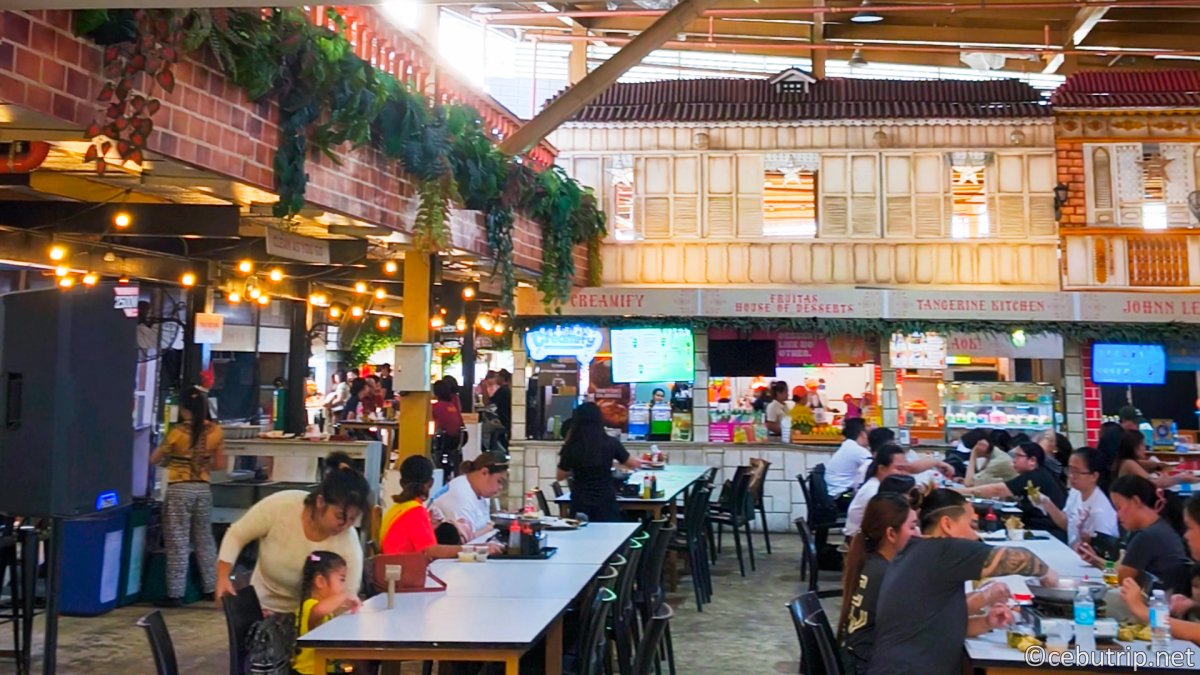
The Philippines is one of Southeast Asia's fastest-growing foodservice markets — projected to surge from $18.41 billion in 2025 to $36.27 billion by 2030 at a CAGR of 14.52%. Filipinos love eating out, and a young, urbanising population is driving unprecedented demand.
But underneath the headline growth numbers, restaurant operators are fighting a brutal cost war. Here's what you need to know.
The Three-Headed Monster: Inflation, Labour, and Costs
Inflation Is Crushing Both Operators and Customers
The Philippines has experienced persistent food inflation that affects both sides of the equation:
- Operators see ingredient costs rise 15-25% year-over-year, with rice, cooking oil, and imported dairy/wheat hitting particularly hard
- Consumers have less purchasing power, forcing them to trade down to cheaper options or eat at home more frequently
When rice prices surged in 2024, it triggered government intervention — but the underlying inflationary pressure has not eased. Restaurants that rely on imported ingredients (wheat for bread, cheese for pizza, beef for burgers) are especially vulnerable to peso depreciation against the US dollar.
The Staffing Crisis
82% of Philippine restaurant operators identify staffing as a critical issue. The challenges are multifaceted:
- High turnover — F&B staff frequently leave for BPO/call centre jobs that offer higher pay, air conditioning, and regular hours
- Skills gap — Finding trained cooks and experienced front-of-house staff outside Metro Manila is extremely difficult
- Wage pressure — Regional wage boards continue to mandate increases, adding ₱2,000-5,000/month per employee
Fixed Costs Are Rising
63% of independent operators reported increased rental obligations in 2025. Combined with rising utility costs (electricity in the Philippines is among the most expensive in ASEAN), fixed overheads are consuming a larger share of revenue.
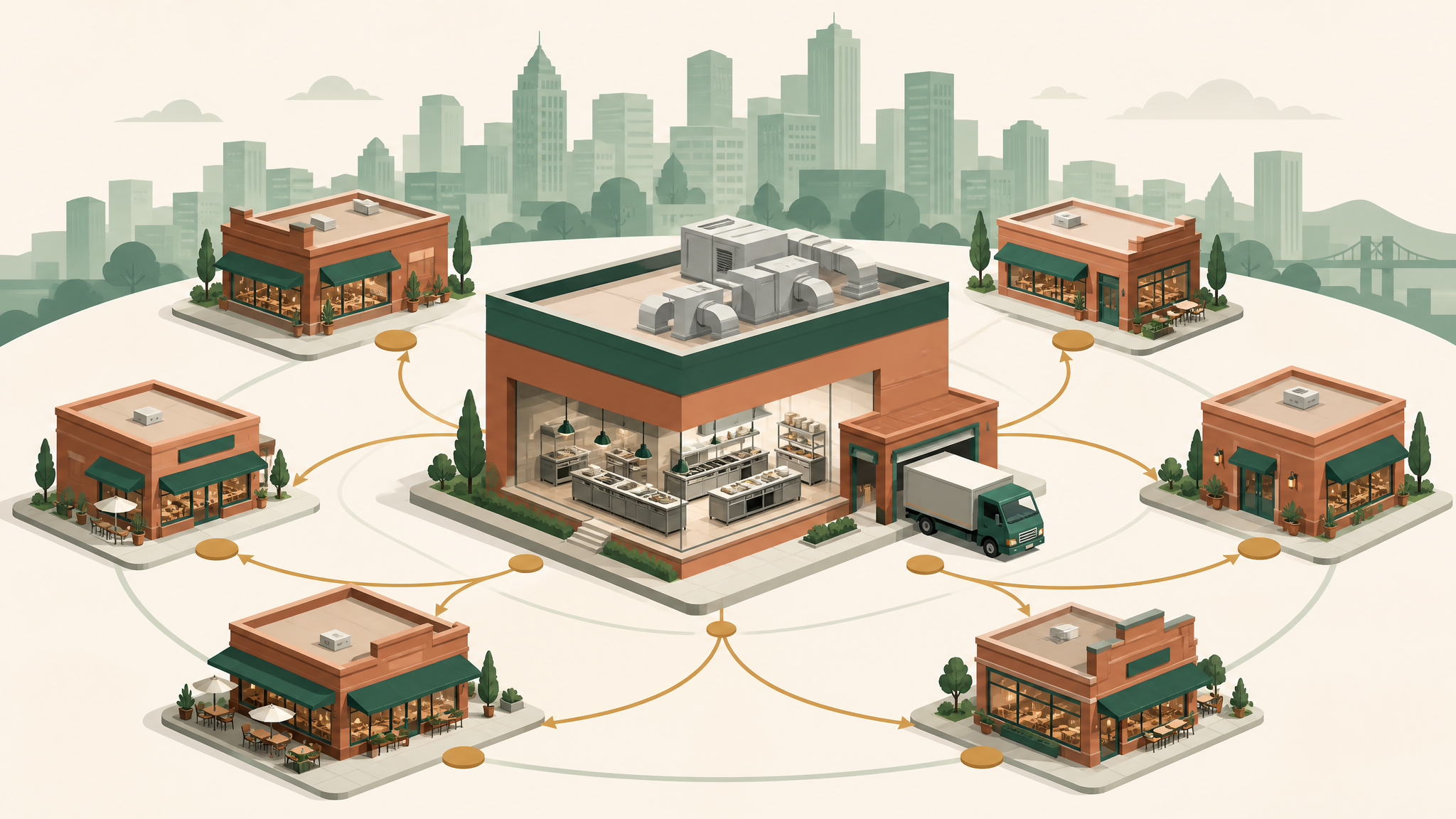
The Cloud Kitchen Revolution
The Philippines' cloud kitchen segment is projected to grow at 26.1% CAGR through 2032 — the fastest in Southeast Asia. Here's why:
Why Cloud Kitchens Work in the Philippines
- Lower capital requirement — ₱500,000-2M vs ₱2-5M+ for a traditional restaurant
- No expensive shopfront lease — eliminates the #1 fixed cost
- Test multiple brands — run 2-3 virtual restaurant brands from one kitchen
- Focus on delivery — tap into the booming GrabFood, Foodpanda, and LalaFood market
The Virtual Brand Strategy
Smart operators are running multiple "virtual brands" from a single cloud kitchen. For example:
- Brand A: Filipino comfort food (rice meals, sinigang, adobo)
- Brand B: Korean-inspired fried chicken
- Brand C: Healthy bowls and salads
Same kitchen, same staff, three revenue streams, three customer segments.
Free: Daily Operations Playbook
Download our proven daily operations playbook used by successful restaurant owners to run smooth, profitable shifts.
No spam, ever. Unsubscribe anytime.
Regulatory Navigation
Opening a restaurant in the Philippines requires coordination with multiple agencies:
| Requirement | Agency | Typical Timeline | Cost |
|---|---|---|---|
| Business name registration | DTI | 1-3 days | ₱200-2,000 |
| Mayor's permit | LGU | 2-4 weeks | ₱5,000-20,000 |
| BIR registration | BIR | 1-2 weeks | ₱500-2,000 |
| Sanitary permit | DOH/LGU | 1-2 weeks | ₱1,000-5,000 |
| Fire safety certificate | BFP | 1-2 weeks | ₱2,000-10,000 |
| Barangay clearance | Barangay | 1-3 days | ₱500-2,000 |
The DTI's "ease-of-doing-business" reforms have streamlined some processes, but operators still report that the total permitting process takes 4-8 weeks and costs ₱15,000-50,000 in total.
City-by-City Startup Costs
| Cost Category | Metro Manila (Makati) | Cebu City | Davao City | Baguio |
|---|---|---|---|---|
| Monthly rent (50 sqm) | ₱50,000-150,000 | ₱25,000-70,000 | ₱20,000-50,000 | ₱15,000-40,000 |
| Kitchen equipment | ₱300,000-800,000 | ₱200,000-500,000 | ₱150,000-400,000 | ₱150,000-350,000 |
| Renovation | ₱400,000-1.5M | ₱200,000-800,000 | ₱150,000-600,000 | ₱150,000-500,000 |
| Licensing & permits | ₱15,000-50,000 | ₱10,000-35,000 | ₱10,000-30,000 | ₱8,000-25,000 |
| Working capital (3 months) | ₱300,000-600,000 | ₱150,000-350,000 | ₱120,000-300,000 | ₱100,000-250,000 |
Winning Strategies for 2026
1. Automate Early
Self-service kiosks, QR-code ordering, and integrated KDS (Kitchen Display Systems) reduce labour needs by 25-30%. Given the staffing crisis, this isn't optional — it's survival.
2. Build Your Digital Fortress
Integrate your POS with delivery platforms, build a customer database, and invest in social media (TikTok and Facebook are dominant in the Philippines). The restaurants winning in 2026 are the ones with the strongest digital presence.
3. Consider the Cloud Kitchen Path
If you're a first-time operator, starting with a cloud kitchen dramatically reduces your risk. Prove your concept through delivery, build a following, then invest in a physical location when you have revenue to back the decision.
4. Focus on Value, Not Just Price
Filipino consumers are price-conscious but not cheap — they'll pay for perceived value. Generous portions, high-quality presentation, and a memorable experience can justify premium pricing even in a tight economy.
The Opportunity
The Philippines' combination of population growth, urbanisation, and dining culture makes it one of the best F&B markets in Asia for the next decade. But the operators who win will be the ones who enter with clear financial plans, lean operations, and digital-first strategies.
👉 [Not sure if you're ready? Take our free Restaurant Readiness Quiz](/quiz) — it assesses your financial preparedness, market knowledge, and operational readiness in under 5 minutes.
👉 [Need a name for your Filipino restaurant concept? Try our free Restaurant Name Generator](/free-tools/restaurant-name-generator) — it creates culturally relevant, memorable names based on your cuisine and style.
Tags
Recommended Tools
Put This Knowledge Into Action
Use these tools to apply what you just learned