Food Delivery Platform Fees Are Eating Your Profit: A Southeast Asian Restaurant Owner's Survival Guide
GrabFood, Foodpanda, ShopeeFood, and GoFood charge up to 30% commission. Here's how SEA restaurant owners can use delivery platforms strategically without letting them destroy your margins.
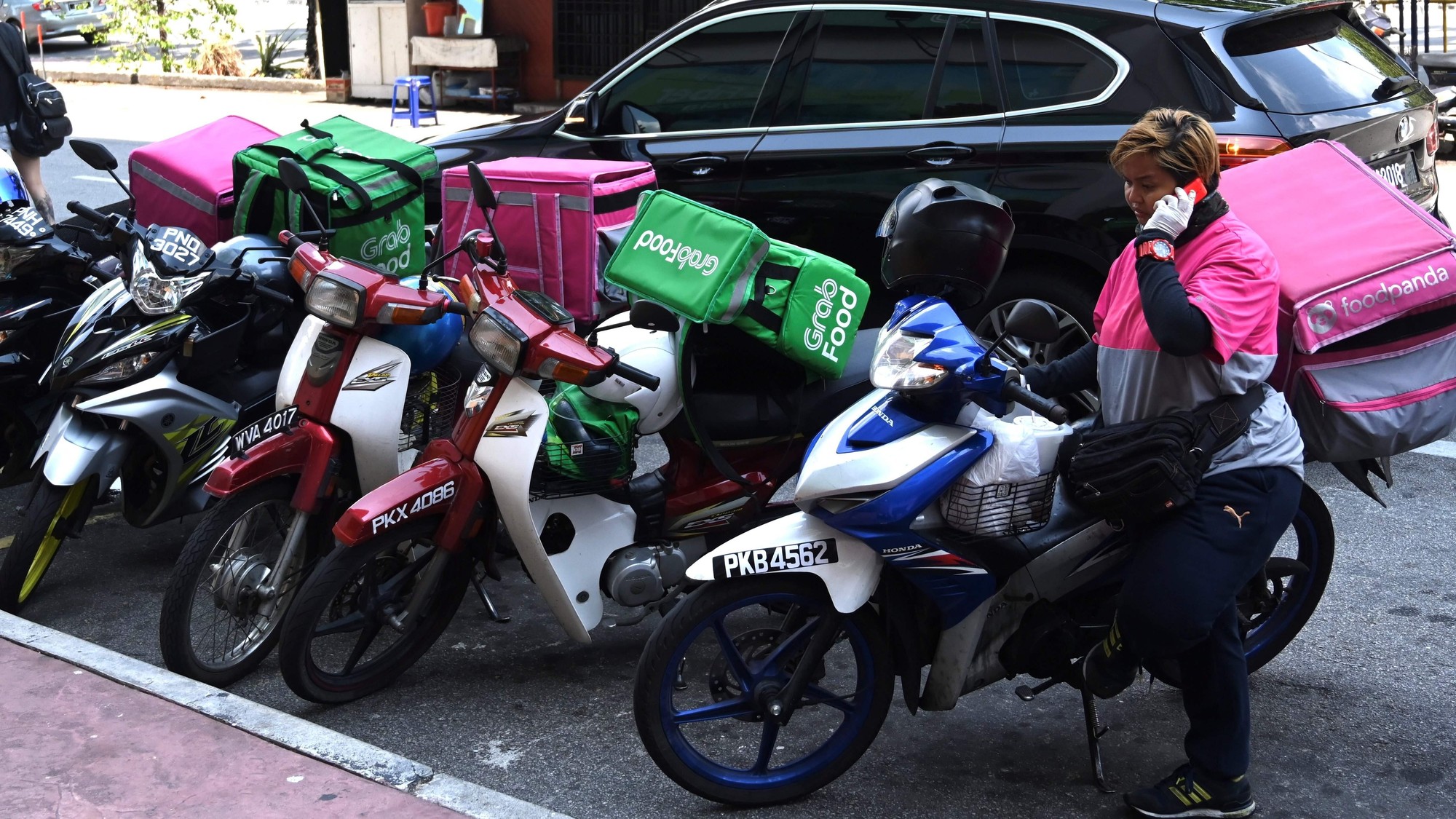
Here's a scenario playing out in thousands of restaurants across Southeast Asia right now:
A customer orders a RM30 meal through GrabFood. The restaurant pays 30% commission (RM9), leaving RM21 in revenue. After food costs (30% = RM9), packaging (RM2), and allocated labour, the restaurant makes roughly RM3-5 on a RM30 order. That's a profit margin of 10-17% — before rent, utilities, and everything else.
Now compare that to the same RM30 meal ordered dine-in: no commission, no packaging cost, higher chance of additional orders (drinks, desserts). Dine-in profit on that same meal? RM10-12.
Delivery platforms are simultaneously the biggest opportunity and the biggest threat facing SEA restaurants in 2026. You can't ignore them — but using them without a strategy is financial suicide.
What the Platforms Actually Charge
Commission structures vary by platform, country, and negotiation leverage, but here's the general picture across Southeast Asia:
| Platform | Typical Commission | Markets | Notes |
|---|---|---|---|
| GrabFood | 25-30% | SG, MY, TH, ID, PH, VN | Dominant in most SEA markets |
| Foodpanda | 25-30% | SG, MY, TH, PH | Strong in Singapore and Malaysia |
| ShopeeFood | 20-25% | VN, ID, MY, TH | Aggressive pricing to gain share |
| GoFood (Gojek) | 20-25% | ID, SG, VN | Strong in Indonesia |
| LINE MAN Wongnai | 25-30% | TH | Thailand market leader |
But commission isn't the whole story. Platforms also charge:
- Advertising fees for visibility boosts and featured placement
- Promotional subsidies when platforms run discounts and expect restaurants to co-fund
- Payment processing fees (usually 2-3%)
- Packaging requirements that add cost
All-in, the true cost of a delivery order is often 32-38% of the order value.
The Delivery Trap: 3 Common Mistakes
Mistake 1: Using Your Dine-In Menu for Delivery
This is the most expensive mistake. Your dine-in menu is priced for dine-in economics — no commission, no packaging, higher beverage attachment. If you put the same menu on GrabFood without adjusting, you're guaranteed to lose money on every order.
Mistake 2: Chasing Volume Without Tracking Profitability
Many restaurants celebrate "500 delivery orders this month!" without calculating that 300 of those orders were unprofitable. Volume without margin is just busy-ness — not business.
Mistake 3: Depending on Platforms for All Your Delivery
When 100% of your delivery comes through third-party platforms, you have no customer data, no relationship, and no negotiating leverage. You're renting someone else's audience at premium prices.
Free: Restaurant Finance Cheat Sheet
Master your numbers with our cheat sheet covering food cost formulas, break-even analysis, and cash flow templates.
No spam, ever. Unsubscribe anytime.
The Smart Delivery Strategy: 5 Steps
Step 1: Create a Delivery-Specific Menu
Your delivery menu should be a curated subset of your dine-in menu, optimised for:
- Higher food cost margin — items where your ingredient cost is 25% or lower, not 30%+
- Travel durability — dishes that taste good 20-30 minutes after preparation
- Bundling potential — combos and set meals that increase average order value
- Simplified preparation — fewer complex items means faster output and fewer errors
A well-designed delivery menu might have 8-12 items compared to your full dine-in menu of 20-30.
Step 2: Price Delivery Higher (Strategically)
Most platforms allow you to set different prices for delivery versus dine-in. Use this.
The math: If platform commission is 30%, you need to markup delivery prices by approximately 15-20% to maintain similar margins. A RM30 dine-in dish becomes RM35-36 on delivery.
Most customers expect delivery prices to be slightly higher and accept it. The key is to keep the price increase reasonable — not so high that it pushes customers to competitors.
Step 3: Build Your Own Direct Ordering Channel
This is the single most important long-term investment. Every customer who orders directly from you (via your website, WhatsApp, or your own ordering system) instead of through a platform saves you 25-30% in commission.
Options:
- WhatsApp ordering — zero commission, personal touch, works well for regular customers
- Website ordering with payment — professional, scalable, builds your brand
- Own delivery fleet (for high-volume operators) — full margin control
The strategy: Use platforms for customer acquisition (getting new customers to discover you), then convert them to direct ordering for repeat orders. Include a flyer in every delivery bag: "Order direct from us next time — 10% off + faster delivery. WhatsApp: [number]"
Step 4: Negotiate Your Commission Rate
Platforms don't advertise this, but commission rates are negotiable, especially if:
- You have multiple outlets
- You generate consistent high volume
- You're willing to be exclusive (though this reduces your leverage elsewhere)
- You participate in platform promotions
Even a 2-3% reduction in commission rate can save thousands per month for a busy restaurant.
Step 5: Track Delivery Profitability Separately
Create a simple spreadsheet that tracks monthly delivery performance:
| Metric | Target |
|---|---|
| Delivery revenue | — |
| Platform commissions paid | < 30% of delivery revenue |
| Delivery food cost | < 25% of delivery revenue |
| Packaging costs | < 5% of delivery revenue |
| Delivery net margin | > 15% |
| Direct orders vs platform orders | Target 30%+ direct |
If your delivery net margin is below 10%, something is wrong with your delivery menu pricing or your product mix.
Platform-Specific Tips for SEA Markets
Singapore
- GrabFood and Foodpanda dominate. Competition for visibility is fierce.
- Tip: Focus on GrabFood's "self pick-up" option — you get listed on the platform (visibility) but pay lower commission since there's no delivery logistics involved.
Malaysia
- GrabFood is dominant, but ShopeeFood is growing aggressively with lower commissions.
- Tip: List on both and use ShopeeFood's lower rates for price-sensitive customers while maintaining GrabFood for broader reach.
Thailand
- LINE MAN Wongnai merged to become the local market leader, competing with GrabFood.
- Tip: The café and beverage segment is booming on delivery. If you have a drinks menu, make it delivery-friendly.
Indonesia
- GoFood (Gojek) and GrabFood share the market. ShopeeFood is the aggressive newcomer.
- Tip: Indonesian consumers are extremely price-sensitive. Bundle meals are the key to maintaining margin while offering perceived value.
Vietnam
- ShopeeFood has strong market position alongside GrabFood.
- Tip: Vietnam's upcoming excise tax on sugary drinks (8% from 2027) will affect beverage-heavy delivery menus. Start adjusting now.
Philippines
- GrabFood and Foodpanda are the main players. Infrastructure challenges affect delivery times.
- Tip: Focus delivery zones on areas within 3-5 km to maintain food quality and reduce rider wait times.
The Cloud Kitchen Alternative
If your business is primarily delivery, consider whether you need a traditional restaurant at all. Cloud kitchens — delivery-only kitchens without a dining area — are the fastest-growing segment in Southeast Asian foodservice, projected to grow at 25% CAGR through 2031 in Thailand alone.
Advantages:
- 40-60% lower overhead compared to traditional restaurants
- Can operate multiple brands from one kitchen
- Lower risk for concept testing
- Scale quickly without securing new retail leases
Disadvantages:
- No dine-in revenue or walk-in discovery
- 100% dependent on delivery platforms (unless you build direct channels)
- Quality control for delivery packaging is critical
- Limited brand-building without a physical presence
The Bottom Line
Food delivery isn't optional for SEA restaurants in 2026 — it's expected. But it must be treated as a separate business line with its own pricing, menu, and profitability targets.
The restaurants losing money on delivery are the ones treating it as an afterthought. The ones profiting have a deliberate strategy: delivery-specific menus, strategic pricing, direct ordering channels, and relentless tracking of delivery unit economics.
Don't let platforms eat your profit. Make them work for you.
Tags
Recommended Tools
Put This Knowledge Into Action
Use these tools to apply what you just learned