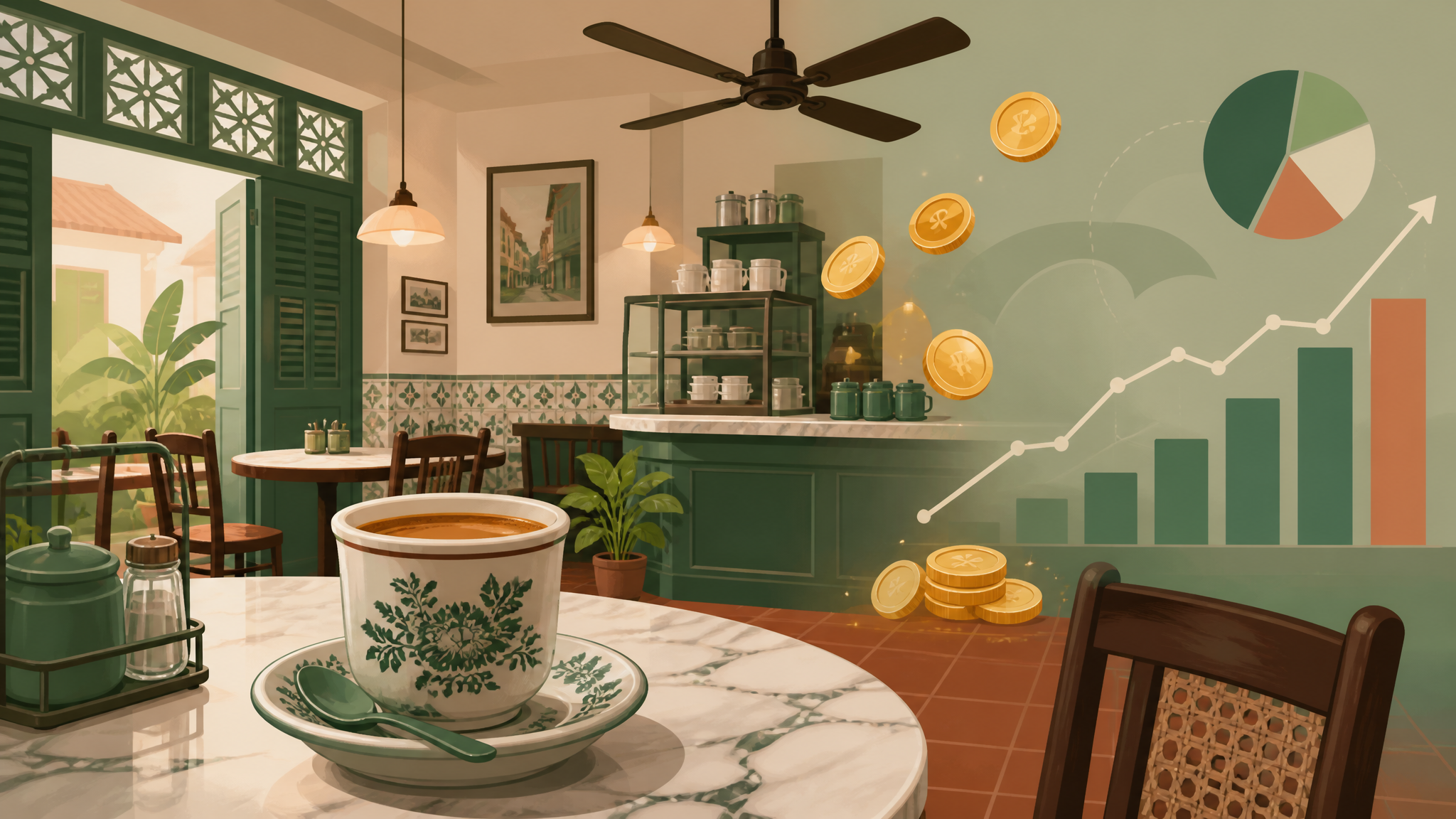
Indonesia’s Coffee Boom Meets Reality: Coretax, QRIS Fees and the 2026 Cafe Shakeout
Indonesia’s cafe and coffee scene is booming — but 2026 brings a new tax administration system (Coretax), QRIS payment fees, the mandatory halal deadline, and rising costs. Here is how Indonesian coffee shops and restaurants stay profitable through the shakeout.
Why Is Indonesia’s Cafe Market Facing a Shakeout?
Coffee is now central to urban Indonesian life, and cheap, high-quality local beans made cafes an obvious business bet. Capital flooded in — from single-outlet dreamers to fast-scaling homegrown chains. The predictable result is oversupply in major cities: too many similar cafes, aggressive discounting, and short business lifespans for undifferentiated concepts.
Layer regulatory and cost pressure on top of oversupply, and 2026 becomes a filter that separates disciplined operators from hobbyists.
What Is Coretax and Why Does It Matter for Cafes?
Coretax DJP is Indonesia’s overhauled core tax administration system, rolled out by the Directorate General of Taxes to modernise how businesses register, report, and pay tax. For a cafe or restaurant, it means:
- More digital, more traceable. Filings, invoices (Faktur Pajak), and tax payments run through an integrated platform. Sloppy bookkeeping is far more visible to authorities.
- Cleaner records are non-negotiable. As transactions become traceable through digital payments and integrated tax data, informal cash-only habits carry real risk.
- PPN (VAT) discipline. VAT-registered businesses (PKP) must keep accurate output/input records; the days of guesswork are ending.
The takeaway: whatever your size, 2026 rewards clean, digital financial records — and punishes improvisation.
How Do QRIS Payment Fees Affect Cafe Margins?
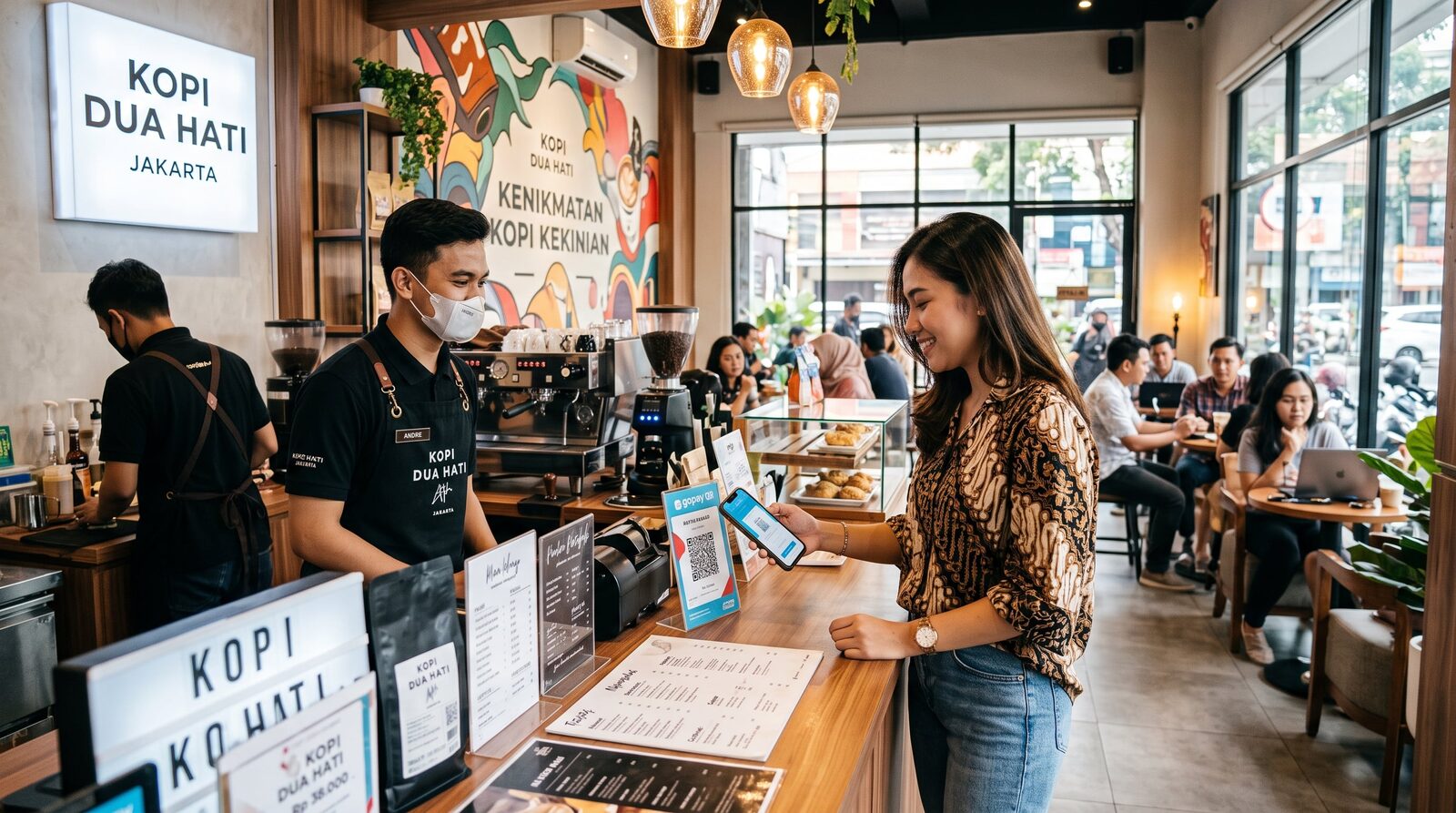
QRIS is now the default way Indonesians pay for coffee. Convenient — but not free for merchants. Bank Indonesia sets a tiered Merchant Discount Rate (MDR), and crucially, you cannot pass this fee to customers as a surcharge.
| Merchant Category | QRIS Transaction | MDR Fee |
|---|---|---|
| Micro (UMI) | Up to Rp500,000 | 0% |
| Micro (UMI) | Above Rp500,000 | 0.3% |
| Small / Medium / Large | All amounts | 0.7% |
| Fuel stations | All amounts | 0.4% |
| Education | All amounts | 0.6% |
For a cafe classified as a small/medium enterprise, 0.7% on nearly every transaction is a real cost. On Rp200 million monthly QRIS turnover, that is Rp1.4 million/month flowing out in fees — money you must build into your pricing, not bolt on at the till.
Free: Restaurant Finance Cheat Sheet
Master your numbers with our cheat sheet covering food cost formulas, break-even analysis, and cash flow templates.
No spam, ever. Unsubscribe anytime.
The October 2026 Halal Deadline
Indonesia’s mandatory halal certification deadline is 17 October 2026. Food and beverage products traded in Indonesia must either hold BPJPH halal certification or carry a clear non-halal label. For cafes, this covers your beans, syrups, dairy, and food menu.
| Path | Cost | Timeline | Best For |
|---|---|---|---|
| Full BPJPH certification | Rp2–10 million | 3–6 months | Medium/large cafes & chains |
| SIHALAL self-declaration | Free – Rp300,000 | 2–4 weeks | Small cafes / MSMEs |
| Non-halal labelling | Rp500,000–1 million | 2–4 weeks | Outlets serving alcohol, etc. |
Start now — do not wait until September 2026 when certification bodies are overwhelmed.
What Does It Cost to Run a Cafe in Indonesia in 2026?
| Cost Category | Jakarta | Bali (Canggu/Seminyak) | Bandung | Surabaya |
|---|---|---|---|---|
| Monthly rent | Rp15–50 juta | Rp20–80 juta | Rp6–18 juta | Rp8–25 juta |
| Espresso & equipment | Rp80–250 juta | Rp100–300 juta | Rp50–180 juta | Rp60–200 juta |
| Renovation & fit-out | Rp100–350 juta | Rp120–450 juta | Rp60–200 juta | Rp70–250 juta |
| Licensing, halal & setup | Rp12–30 juta | Rp15–35 juta | Rp8–18 juta | Rp10–22 juta |
| Working capital (3 months) | Rp70–180 juta | Rp90–220 juta | Rp40–100 juta | Rp45–120 juta |
How Do Indonesian Cafes Stay Profitable in 2026?
Strategy 1: Price for Real Costs
Build QRIS fees, halal compliance, and rising input costs into your menu pricing from day one — do not discover them in your year-end accounts.
Strategy 2: Go Digital-Clean
Use a proper POS with integrated reporting so Coretax-era filings are painless and your true margins are always visible.
Strategy 3: Differentiate or Die
In an oversupplied market, a signature drink, distinctive space, strong community, or unique sourcing story is what earns loyalty and pricing power.
Strategy 4: Manage Delivery Economics
GoFood and GrabFood dominate but charge 20–30%. Encourage dine-in and direct/loyalty ordering to protect margin.
Strategy 5: Control Prime Cost
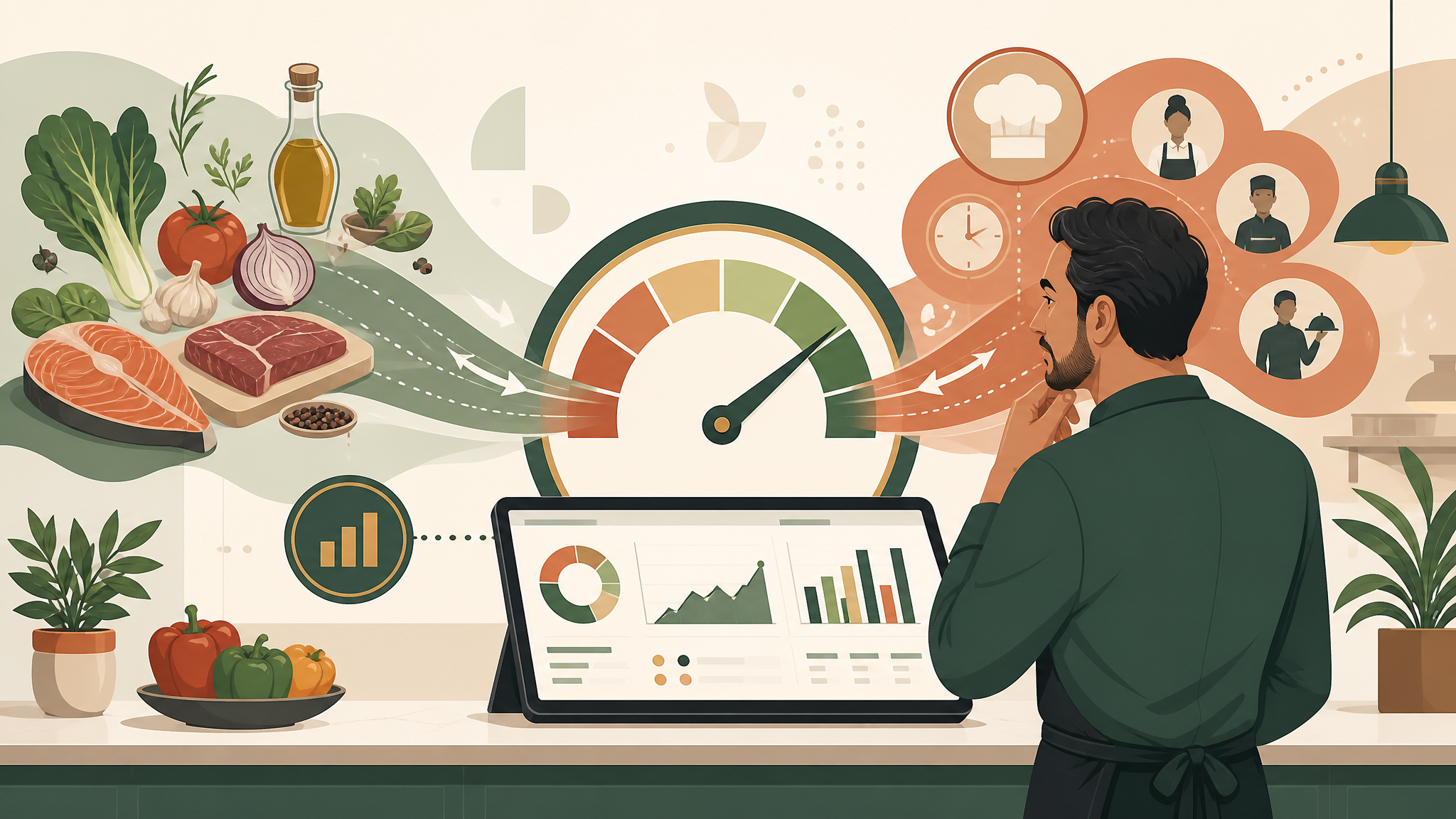
Keep beverage cost near 28–32% and labour tightly managed. Prime cost discipline is the difference between a cafe that scales and one that quietly closes.
Frequently Asked Questions
What is Coretax in Indonesia?
Coretax DJP is the Directorate General of Taxes’ modernised core tax administration system for registration, reporting, invoicing (Faktur Pajak), and payment. It makes business transactions more traceable, so cafes need clean, digital financial records.
How much are QRIS fees for cafes in Indonesia?
Bank Indonesia’s MDR is 0% for micro merchants up to Rp500,000 (0.3% above that) and 0.7% for small/medium/large businesses. Merchants cannot surcharge customers, so the fee must be built into pricing.
When is the Indonesia halal certification deadline?
17 October 2026. Food and beverage products must hold BPJPH halal certification or carry a clear non-halal label.
Is the Indonesian cafe market oversaturated?
Major cities are oversupplied after years of rapid “kopi kekinian” growth. Differentiated, cost-disciplined cafes still thrive; generic ones increasingly fail within 1–2 years.
The Bottom Line
Indonesia’s coffee opportunity is enormous — but 2026 rewards professionalism. Between Coretax, QRIS fees, the halal deadline, and oversupply, the era of the casual cash-only cafe is ending. Operators who price accurately, keep clean digital books, and build a genuinely differentiated brand will thrive in one of the world’s most exciting coffee markets.
👉 [Not sure your cafe numbers work under 2026 rules? Take our free Restaurant Readiness Quiz](/quiz) — it checks your financial and operational readiness in under 5 minutes.
Tags
Recommended Tools
Put This Knowledge Into Action
Use these tools to apply what you just learned