Cloud Kitchen Unit Economics in Southeast Asia: The Real Margins Behind the Hype (2026)
Low rent, no dining room, delivery-only — cloud kitchens promise easy margins. The reality in 2026 is a business where platform commissions can eat 30–40% of every order. Here is the honest unit economics before you commit.
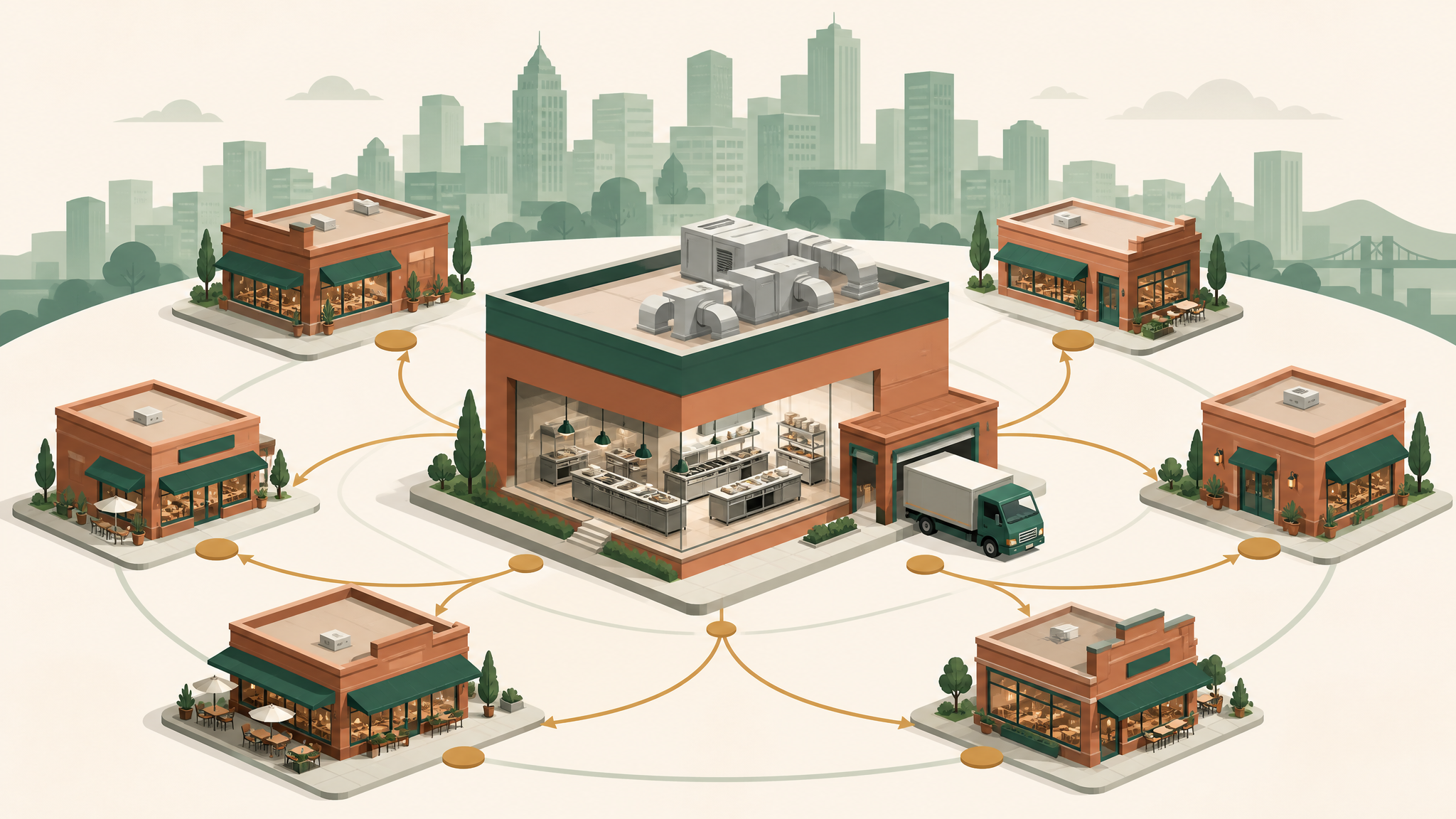
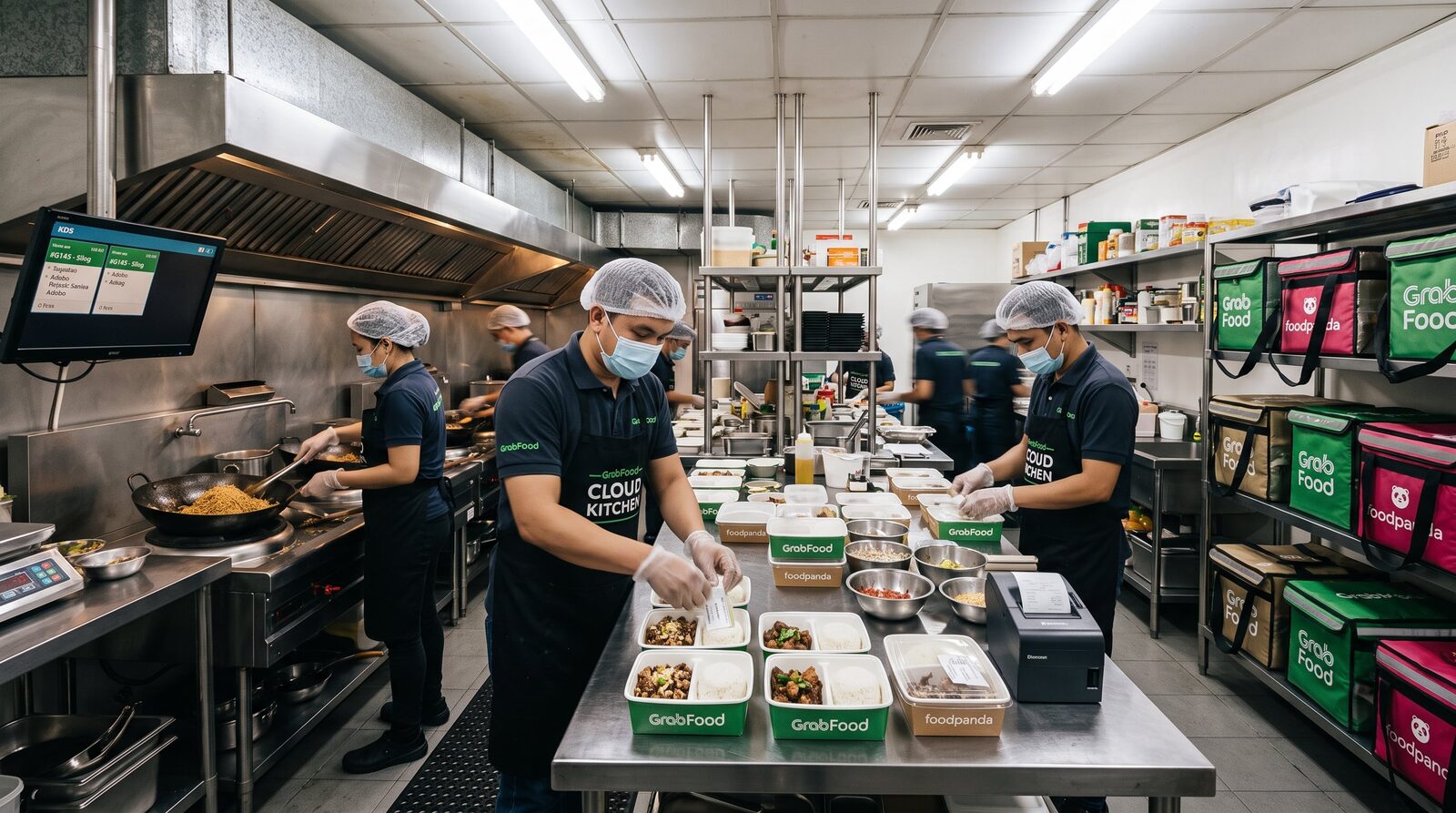
The cloud kitchen pitch is seductive: skip the expensive dining room, skip the prime-location rent, run a lean delivery-only kitchen from a cheap industrial unit, and let GrabFood and Foodpanda bring you customers. Low overhead, pure profit — right?
The reality in 2026 is more complicated. Cloud kitchens can absolutely work, but only for operators who go in with clear eyes about where the money really goes. Let me lay out the honest unit economics.
What You Save — and What Replaces It
A cloud kitchen genuinely eliminates two big costs: prime-location rent and front-of-house labour. No dining room means a cheaper unit in a cheaper area, and no servers, hosts or dine-in space to staff and clean.
But delivery-only does not remove costs — it swaps them. In place of rent and service staff, you take on the single largest margin killer in the model: delivery platform commissions.
The Commission Reality in 2026
Since Deliveroo exited Singapore in March 2026, the market is effectively a GrabFood and Foodpanda duopoly. Here is what the platforms actually take:
| Platform | Standard commission | Premium / higher-visibility plans |
|---|---|---|
| GrabFood | ~18%–22% | 21%–25% |
| Foodpanda | ~15%–20% | Prime can lower to 12%–15% at volume |
But the headline commission is not the real number. Once you add merchant-funded promotions (the discounts you "choose" to run to stay visible), packaging costs, and assorted platform fees, the effective bite out of a delivery order can reach 30–40%.
Think about what that means. On a S$20 order, S$6–S$8 can disappear to the platform before you have paid for a single ingredient. In a business with no dine-in orders to balance it, that commission is not one cost among many — it is the cost that defines whether you live or die.
Free: Daily Operations Playbook
Download our proven daily operations playbook used by successful restaurant owners to run smooth, profitable shifts.
No spam, ever. Unsubscribe anytime.
The Unit Economics, Line by Line
Here is a realistic breakdown of a S$20 cloud-kitchen delivery order in 2026:
| Line | % of order | Amount (S$) |
|---|---|---|
| Order value | 100% | 20.00 |
| Platform commission + promos + fees | 30% | 6.00 |
| Food cost (COGS) | 30% | 6.00 |
| Kitchen labour | 22% | 4.40 |
| Packaging | 5% | 1.00 |
| Facility rent (share) | 6% | 1.20 |
| Other operating costs | 4% | 0.80 |
| Net profit | ~3% | ~0.60 |
That is the trap in one table. Even with lean rent and no service staff, the commission load pushes a delivery-only kitchen to razor-thin margins. Cloud kitchens routinely run a prime cost of 60–70% — and then the platform takes its 30% on top.
How to Actually Make It Work
Cloud kitchens are not doomed — but the winners run them with discipline the dabblers do not:
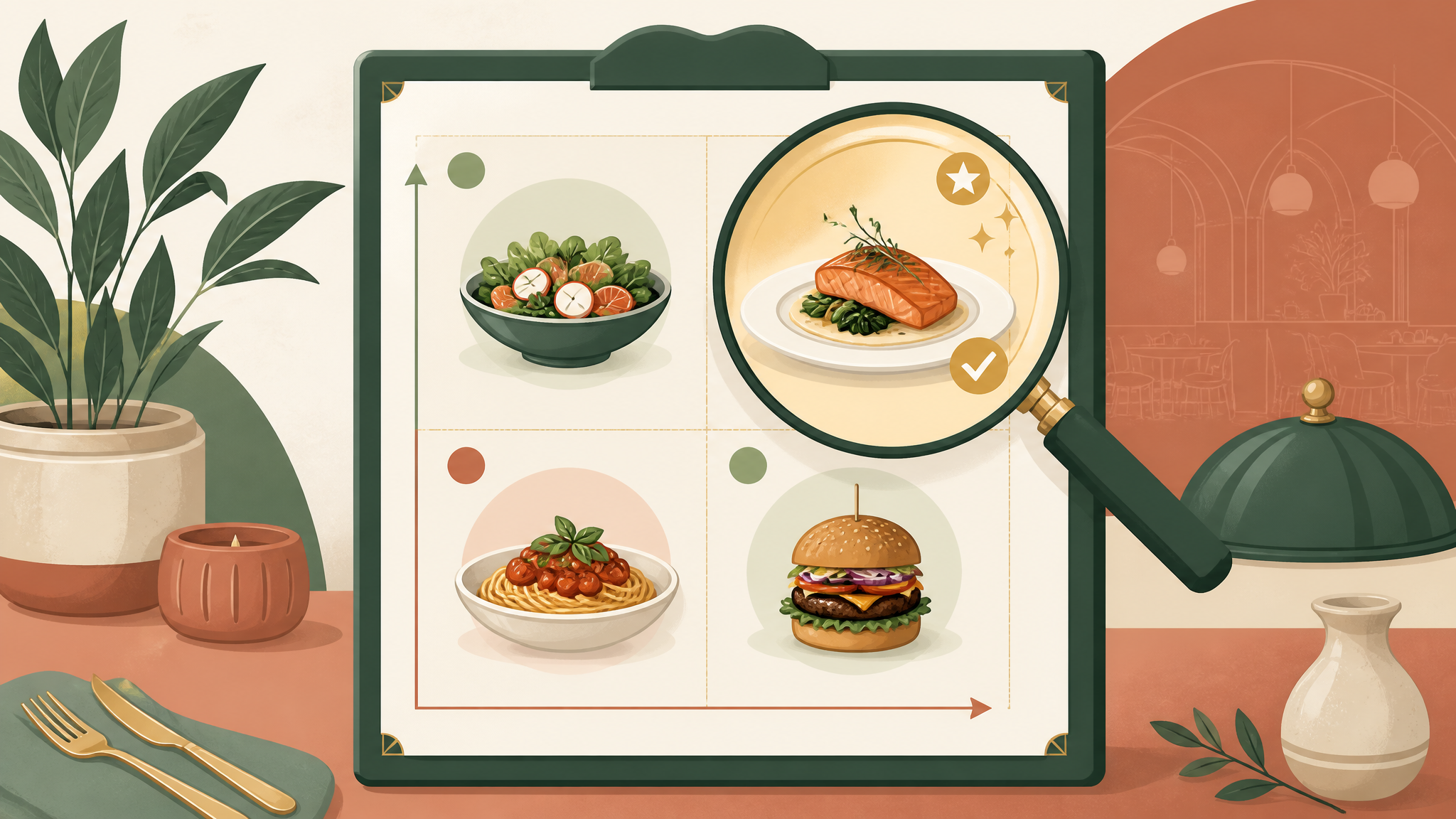
1. Engineer the menu for delivery margins. Only put dishes on delivery that carry a 60%+ gross margin, so they can absorb the commission and still leave profit. Low-margin items that work fine for dine-in are poison on delivery. Travel-well matters too — food that arrives soggy earns bad reviews and refunds.
2. Negotiate your commission. If you are doing 200+ orders a month, you have leverage. Platform account managers can often shave 2–5 points off your rate. That negotiation is worth more than almost any other hour you will spend.
3. Use self-delivery for big orders. Both platforms offer options where you pay a fixed fee (roughly S$3–S$5) instead of a percentage. On a large order, a flat fee crushes a 30% commission. Route big tickets accordingly.
4. Build a direct-order channel. Every order that comes through your own WhatsApp, website or app pays zero platform commission. Use the platforms to acquire customers, then give them a reason (loyalty, small discount, better experience) to order direct next time. The direct channel is where cloud-kitchen profit actually lives.
5. Run multiple virtual brands from one kitchen. The same equipment and staff can produce for several delivery-only brands, spreading your fixed costs across more revenue. This is the genuine structural advantage of the model — use it.
6. Consolidate your tablets. Order-aggregation systems that pull all platforms into one screen cut labour, reduce errors, and simplify reconciliation. In a thin-margin business, operational waste is profit lost.
The Licensing Detail Everyone Misses
One practical warning for Singapore: there is no special "cloud kitchen" licence. Every subdivided unit inside a shared facility needs its own SFA Food Shop licence. The facility operator's master licence does not automatically cover your brand. Confirm your specific unit is correctly licensed before you sign the lease — discovering otherwise after launch is an expensive, avoidable mistake.
The Bottom Line
Cloud kitchens are a real business model, not a shortcut to easy money. You trade rent and service labour for platform commissions that can consume 30–40% of every order — and that trade only works if you engineer high-margin delivery menus, negotiate your rates, push customers to direct ordering, and spread fixed costs across multiple virtual brands.
Before you commit, build the S$20-order table above with your real numbers. If there is nothing left at the bottom, no volume will fix it — you will simply lose money faster. But get the unit economics right, and the lean, multi-brand cloud kitchen can be one of the most capital-efficient ways to grow in Southeast Asia in 2026.
Tags
Recommended Tools
Put This Knowledge Into Action
Use these tools to apply what you just learned