Singapore Restaurant Survival Guide: Navigating Record Closures, Soaring Rents & the 2026 Cost Crisis
Over 2,400 Singapore food establishments closed in 2025 alone. Here's what's driving the crisis — and the exact strategies operators are using to survive rent hikes, labour shortages, and shrinking margins.
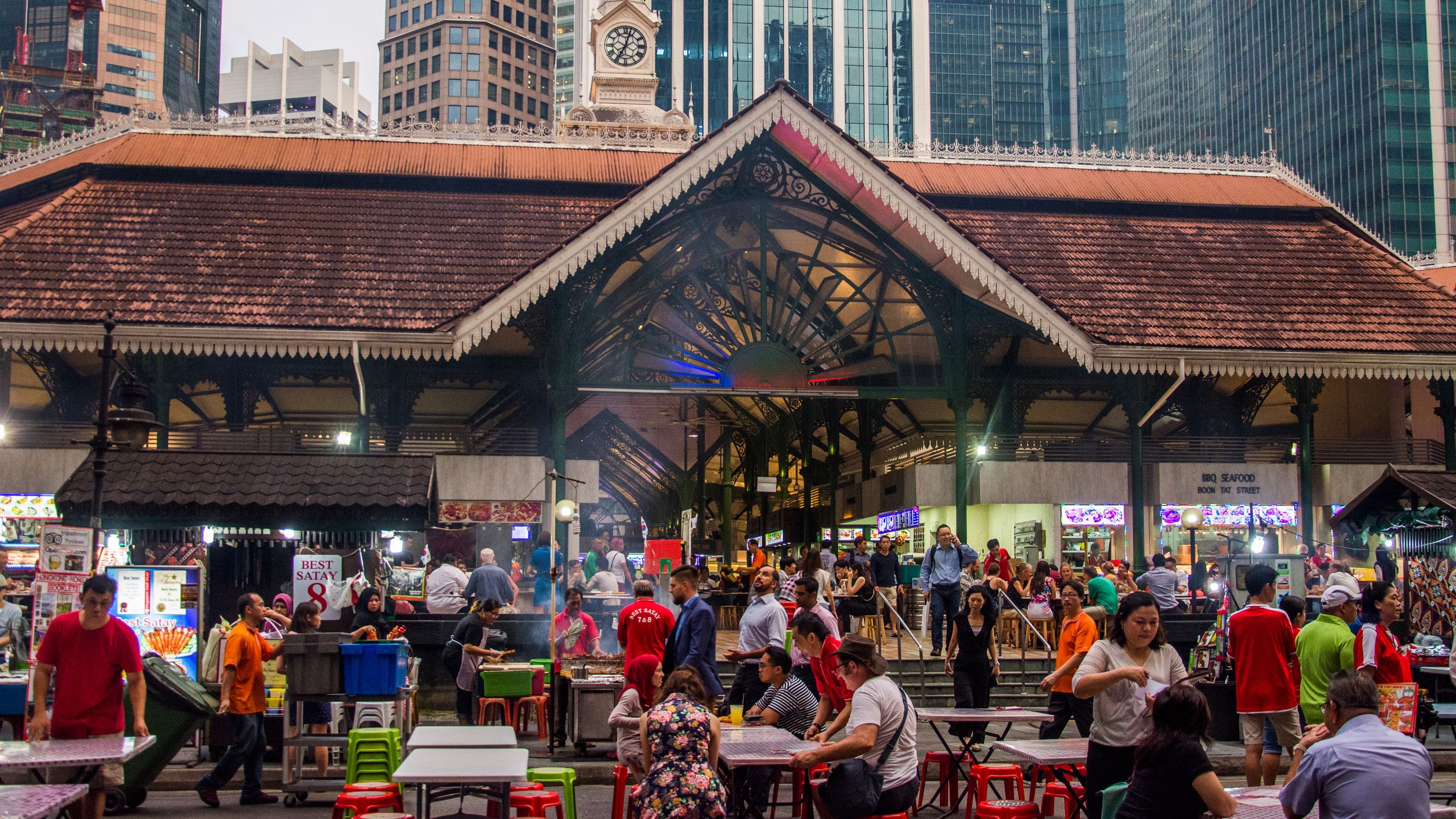
The numbers are stark: between January and October 2025, 2,431 retail food establishments closed their doors in Singapore — an average of over 300 per month. More than 36% of these businesses had been open for less than three years.
From heritage hawker stalls to Michelin-starred fine dining, no segment has been spared. If you're planning to open a restaurant in Singapore — or fighting to keep one alive — this guide breaks down exactly what's happening, why, and what you can do about it.
The Perfect Storm: Why Singapore Restaurants Are Closing at Record Rates
1. Rental Costs Have Become Unsustainable
Rent is the single biggest killer of Singapore F&B businesses. In 2025, operators reported rent hikes of 20% to 49% upon lease renewal — increases that are mathematically impossible to absorb in an industry where net margins typically hover between 5% and 10%.
Heritage restaurants face a particularly cruel dilemma: raise prices and alienate loyal customers who expect affordable food, or absorb the increase and bleed money until closure becomes inevitable.
| Cost Category | 2023 Average | 2025 Average | % Increase |
|---|---|---|---|
| Prime location rent (psf/mo) | S$8.50 | S$11.20 | +32% |
| Neighbourhood rent (psf/mo) | S$5.80 | S$7.40 | +28% |
| Industrial kitchen rent (psf/mo) | S$3.20 | S$4.10 | +28% |
2. Labour Shortages Are Crippling Operations
Strict foreign worker policies and a shrinking local labour pool mean restaurants simply cannot find enough staff. The consequences are severe:
- Reduced operating hours — Some restaurants have eliminated dinner service entirely
- Lower service quality — Fewer staff means longer wait times and more mistakes
- Higher wage costs — Competition for limited workers drives salaries up 15-25%
3. Ingredient Costs Keep Climbing
Singapore imports over 90% of its food supply, making restaurants extremely vulnerable to global supply chain disruptions. Cooking oil, seafood, and imported meats have seen price increases of 12-30% since 2023.
4. Consumer Behaviour Has Shifted
The stronger Singapore dollar has encouraged domestic consumers to dine abroad — weekend trips to JB and Batam for cheaper meals have become routine. At home, consumers are more selective and price-conscious than ever.
Free: Restaurant Startup Checklist
Get our step-by-step checklist covering permits, funding, location selection, and everything you need before opening day.
No spam, ever. Unsubscribe anytime.
Strategies That Are Actually Working
Strategy 1: Relocate to Lower-Rent Zones
Some savvy operators are launching "high-tech offshoots" in industrial areas where rent is 40-60% cheaper. They keep their heritage brand in the prime location for foot traffic but do the heavy production work — central kitchens, catering prep, cloud kitchen orders — from the cheaper site.
Example: Several established brands have moved their production to Woodlands and Tuas industrial kitchens while maintaining a smaller, lower-rent shopfront for dine-in.
Strategy 2: Embrace Digital Sales Channels
Online sales now account for over 20% of total F&B revenue in Singapore. Restaurants that have invested in their own ordering systems (rather than relying solely on GrabFood/Foodpanda) report significantly higher margins on delivery orders.
Strategy 3: Automate Where Possible
Kitchen automation, self-ordering kiosks, and digital payment systems can reduce labour needs by 20-30%. The upfront investment pays for itself within 6-12 months through reduced staffing costs.
Strategy 4: Negotiate Supply Contracts
Direct relationships with suppliers — bypassing wholesalers — can reduce ingredient costs by 10-15%. Group purchasing arrangements with other small F&B operators are also gaining traction.
What This Means If You're Starting a Restaurant in Singapore
The barrier to entry hasn't changed — SFA licensing, NEA requirements, and BCA approvals are still mandatory. But the margin for error has virtually disappeared.
Before you sign a lease or commit to a concept, you need to know exactly what it will cost to operate in your target neighbourhood — not estimates, but real numbers based on current market conditions.
👉 [Use our free City Cost Calculator to get accurate Singapore startup costs by neighbourhood](/tools/startup-cost-by-city) — it factors in current 2026 rental rates, labour costs, and licensing fees so you can plan with confidence.
The Bottom Line
Singapore's F&B industry isn't dying — it's being restructured. The operators who survive will be those who:
- Know their numbers before they start (not after)
- Choose locations based on economics, not foot traffic alone
- Build lean operations that don't require 15 staff to serve 50 covers
- Diversify revenue across dine-in, delivery, catering, and retail
The days of opening a restaurant on vibes and passion are over. In 2026 Singapore, survival belongs to the prepared.
👉 [Not sure if you're ready? Take our free Restaurant Readiness Quiz](/quiz) — it evaluates your financial preparedness, market knowledge, and operational readiness in under 5 minutes.
Tags
Recommended Tools
Put This Knowledge Into Action
Use these tools to apply what you just learned