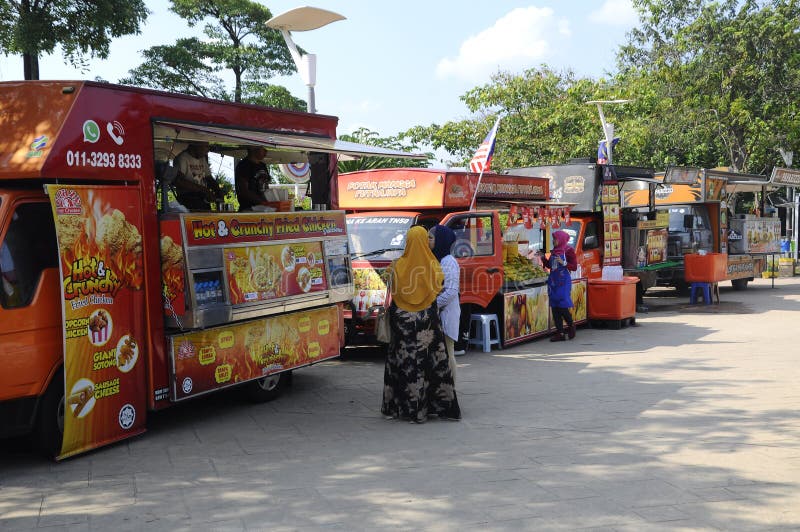
Restaurant Location Analysis: How to Choose the Perfect Spot
Learn the science of restaurant site selection. Covers demographics, traffic patterns, competition analysis, and the key metrics that predict success.

Location is one of the most critical factors in restaurant success. A great concept in a poor location will struggle, while an average concept in a perfect location can thrive.
The 80/20 Rule of Restaurant Location
Industry experts estimate that location accounts for up to 80% of a restaurant's success. Get this decision right, and everything else becomes easier. Get it wrong, and no amount of great food or service will save you.
Key Factors in Location Analysis
1. Demographics
Your target customers need to live, work, or visit nearby in sufficient numbers.
Key Metrics to Analyze
| Metric | What to Look For |
|---|---|
| Population | Within 1, 3, and 5 miles |
| Median household income | Match to your price point |
| Age distribution | Match to your concept |
| Education levels | Correlates with dining habits |
| Employment types | Office workers = lunch traffic |
| Household composition | Families vs. singles |
Income Match by Concept
| Concept | Target Household Income |
|---|---|
| Fine dining | $100K+ |
| Casual dining | $60K-100K |
| Fast casual | $45K-80K |
| QSR | Broad income range |
2. Traffic and Visibility
Vehicle Traffic Analysis
- Daily traffic count (available from state DOT)
- Peak hours alignment with your service hours
- Ease of turning in and out of the parking lot
- Speed of traffic (slower is better for visibility)
Pedestrian Traffic
- Foot traffic during your meal times
- Nearby offices, retail, entertainment venues
- Public transit access (subway, bus stops)
- Walkability score
Visibility Factors
- Can people see you from the road?
- Signage opportunities and restrictions
- Landmark potential
- Night visibility
3. Parking Analysis
Inadequate parking kills restaurants. Customers won't circle the block for lunch.
Parking Guidelines by Concept
| Restaurant Type | Spaces Needed |
|---|---|
| Fine dining | 1 space per 2 seats |
| Casual dining | 1 space per 3 seats |
| Fast casual | 1 space per 4 seats + queue space |
Additional Parking Considerations
- Shared parking agreements with neighbors
- Street parking availability
- Valet options for fine dining
- Delivery zone access
4. Competition Analysis
Understanding your competitive landscape is essential.
Direct Competition
Similar concepts within 1-3 miles:
- How many exist?
- What are their strengths and weaknesses?
- What are their price points?
- What do their online reviews say?
Indirect Competition
Other dining options nearby:
- Other restaurant types
- Fast food options
- Grocery stores and meal kits
- Food delivery saturation
The Competition Paradox
- Zero competition may indicate no demand
- Heavy competition may mean oversaturation
- Some similar restaurants can validate demand and create a "dining destination"
5. Accessibility and Convenience
- ADA compliance of the space
- Ease of finding the location (is the address confusing?)
- GPS accuracy (does it direct people correctly?)
- Delivery driver access
- Supplier delivery access (back door, loading dock)
6. Co-Tenancy and Neighbors
Who your neighbors are matters tremendously.
Positive Co-Tenants
- Movie theaters (dinner before/after)
- Popular retail (draws traffic)
- Gyms and fitness centers (health-conscious diners)
- Professional offices (lunch traffic)
- Entertainment venues (pre/post event dining)
Negative Co-Tenants
- Adult businesses
- Pawn shops
- Vacant storefronts (signals declining area)
- Direct competitors (too close)
7. Lease Economics
The financial terms of your lease can make or break profitability.
Key Terms to Evaluate
| Term | What It Means |
|---|---|
| Base rent per SF | Your fixed monthly cost |
| Triple net (NNN) | Taxes, insurance, maintenance added |
| Percentage rent | Landlord takes % of sales above threshold |
| TI allowance | Money landlord contributes to build-out |
| Free rent | Months without rent during build-out |
| Personal guarantee | Your personal liability |
Affordable Rent Guidelines
- Base rent should be 6-8% of projected revenue
- All-in occupancy costs under 10% of revenue
8. Space Characteristics
Space Evaluation Checklist
| Factor | What to Check |
|---|---|
| Total square footage | And usable vs. total |
| Kitchen to dining ratio | Typically 40/60 |
| Ceiling height | Higher = more flexible |
| HVAC capacity | Can it handle a commercial kitchen? |
| Electrical capacity | 200+ amp service minimum |
| Plumbing and grease trap | Existing = major savings |
| Hood and ventilation | Existing = $20K-50K savings |
| ADA restroom compliance | Required for public accommodation |
Second-Generation Space Advantages
- Existing kitchen infrastructure
- Faster permitting process
- Lower build-out costs
- Proven restaurant viability (sometimes)
Free: Restaurant Startup Checklist
Get our step-by-step checklist covering permits, funding, location selection, and everything you need before opening day.
No spam, ever. Unsubscribe anytime.
Location Red Flags
Walk away if you see these warning signs:
Location Analysis Checklist
Before signing a lease, verify every item:
Demographics
- [ ] Population within trade area is sufficient
- [ ] Income levels match your concept
- [ ] Demographics align with target customer
Traffic and Access
- [ ] Traffic patterns align with service hours
- [ ] Adequate parking for your capacity
- [ ] Easy in/out access
- [ ] Good visibility from the road
Competition
- [ ] Competition is manageable
- [ ] You have clear differentiation
- [ ] Market isn't oversaturated
Financials
- [ ] Rent is affordable for projected revenue
- [ ] All costs are understood (NNN, CAM, etc.)
- [ ] Lease terms are acceptable
Space
- [ ] Space meets operational needs
- [ ] Infrastructure is adequate or improvable
- [ ] Zoning allows your concept
- [ ] Permits are obtainable
Due Diligence
- [ ] Landlord is reputable
- [ ] Area is growing or stable
- [ ] No major red flags
Tools for Location Analysis
Use these resources in your analysis:
| Resource | What It Provides |
|---|---|
| Census.gov | Demographics data |
| State DOT websites | Traffic counts |
| WalkScore.com | Walkability and transit scores |
| Yelp and Google Maps | Competition research |
| CoStar / LoopNet | Commercial real estate listings |
| Location intelligence platforms | Comprehensive analysis |
Making the Final Decision
After analyzing multiple locations, score each on these factors:
| Factor | Weight |
|---|---|
| Demographics match | 25% |
| Traffic and visibility | 20% |
| Parking | 10% |
| Competition | 15% |
| Lease economics | 20% |
| Space suitability | 10% |
The location with the highest weighted score is usually your best bet - assuming there are no red flags.
Want help analyzing your potential location? Use our free Location Analyzer tool for a comprehensive assessment with AI-powered insights.
Tags
Recommended Tools
Put This Knowledge Into Action
Use these tools to apply what you just learned