Restaurant Concept Development: How to Create a Winning Concept That Stands Out
Learn how to develop a unique restaurant concept that resonates with your target market. From cuisine selection to brand identity, discover the framework successful restaurateurs use.

Your restaurant concept is the foundation of everything else: your menu, design, marketing, and customer experience. A well-developed concept differentiates you from competitors and gives customers a reason to choose you. This guide walks you through creating a restaurant concept that connects with your market and sets you up for success.
What Is a Restaurant Concept?
A restaurant concept goes far beyond the type of food you serve. It encompasses your entire brand identity, including cuisine style and menu focus, price point and service style, atmosphere and design aesthetic, target customer and occasion, location type and format, and unique selling proposition.
Think of iconic concepts: Chipotle (fast-casual Mexican with customization), Cheesecake Factory (diverse menu in an upscale casual setting), or In-N-Out (simple menu, quality ingredients, California lifestyle). Each has a clear, cohesive concept that drives every business decision.
Step 1: Start With Self-Assessment
Before looking at market opportunities, understand your own strengths and passions.
Ask yourself:
- What cuisines am I passionate about?
- What's my culinary training and experience?
- What type of environment do I enjoy?
- How much capital can I realistically raise?
- What's my risk tolerance?
- How involved do I want to be daily?
Your concept should align with your skills and passion. Operating a fine dining restaurant requires different abilities than running a fast-casual spot.
Step 2: Research Your Market
Understanding your local market is crucial for concept development.
Demographic Analysis:
Study the population within 3-5 miles of your target area. Look at age distribution, income levels, household types, and cultural backgrounds. A young professional neighborhood supports different concepts than a family-focused suburb.
Competition Mapping:
Identify every restaurant in your target area. Categorize them by cuisine type, price point, and service style. Look for gaps, areas where customer demand exists but isn't being met.
Trend Analysis:
Monitor industry trends, but don't chase every fad. Some trends to watch in 2026 include plant-forward menus, ghost kitchen integration, hyper-local sourcing, and tech-enabled experiences.
Step 3: Identify Your Niche
The most successful restaurants find a specific niche rather than trying to please everyone.
Niche Strategies:
Cuisine Specialization: Focus on a specific cuisine or dish category. Example: Instead of "Italian restaurant," become "authentic Neapolitan pizza."
Dietary Focus: Cater to specific dietary needs like gluten-free, vegan, keto, or allergen-friendly.
Experience-Based: Create a unique dining experience through theming, interactivity, or entertainment.
Time-Based: Specialize in a specific daypart, like all-day breakfast or late-night dining.
Format Innovation: Combine concepts (restaurant + retail, dining + entertainment) or use alternative formats (food hall stall, ghost kitchen).
Step 4: Define Your Target Customer
Create detailed customer personas for your ideal guests.
Example Persona:
"Urban Sarah" - 32-year-old marketing professional. Lives downtown, earns $85K/year. Values quality over quantity, seeks Instagram-worthy experiences. Dines out 3-4 times weekly, typically spends $30-50 per person. Cares about sustainability and local sourcing.
Understanding your target customer drives menu development, pricing, marketing, and design decisions.
Free: Restaurant Startup Checklist
Get our step-by-step checklist covering permits, funding, location selection, and everything you need before opening day.
No spam, ever. Unsubscribe anytime.
Step 5: Develop Your Unique Selling Proposition
Your USP is what makes you different and better than alternatives. It should be specific, meaningful to customers, and difficult for competitors to copy.
USP Examples:
- "The only authentic Peruvian restaurant within 50 miles"
- "Farm-to-table dining with ingredients from our own 5-acre farm"
- "Interactive cooking experience where guests grill their own wagyu"
- "24-hour diner with chef-driven comfort food"
Your USP should be expressible in one sentence and immediately communicate your differentiation.
Step 6: Choose Your Service Style
Service style significantly impacts operations, staffing, and customer experience.
Quick Service (QSR): Order at counter, minimal table service. Lower labor costs, higher volume. Examples: fast food, coffee shops, counter-service cafes.
Fast Casual: Order at counter with elevated food quality. Some table service may be included. Examples: Chipotle, Sweetgreen, Panera.
Casual Dining: Full table service with moderate prices. Relaxed atmosphere, broad appeal. Examples: Applebee's, Buffalo Wild Wings.
Upscale Casual: Elevated cuisine with refined service in a comfortable setting. Higher price points, longer dining times.
Fine Dining: Highest service level, premium ingredients, formal atmosphere. Requires significant expertise and capital.
Step 7: Establish Your Price Point
Pricing positions you in customers' minds and determines your target market.
Considerations:
- Local market income levels
- Competition pricing
- Your concept's positioning
- Food and labor costs
- Desired profit margins
Create a target per-person check average that supports your business model while matching your concept's positioning.
Step 8: Create Your Brand Identity
Your brand brings your concept to life visually and emotionally.
Brand Elements:
- Name (memorable, appropriate, legally available)
- Logo and visual identity
- Color palette and typography
- Voice and tone
- Story and values
Your brand should evoke the right emotions and set expectations for the dining experience.
Step 9: Design the Experience Journey
Map the entire customer experience from discovery to post-visit.
Journey Stages:
Every touchpoint should reinforce your concept.
Step 10: Develop Your Menu Concept
Your menu is the heart of your concept.
Menu Development Tips:
- Start with your signature items
- Ensure menu size matches service style
- Balance popular items with unique offerings
- Consider cross-utilization of ingredients
- Plan for dietary accommodations
- Test extensively before finalizing
Remember: your menu should be executable consistently, not just impressive on paper.
Step 11: Test Your Concept
Before committing fully, validate your concept.
Testing Methods:
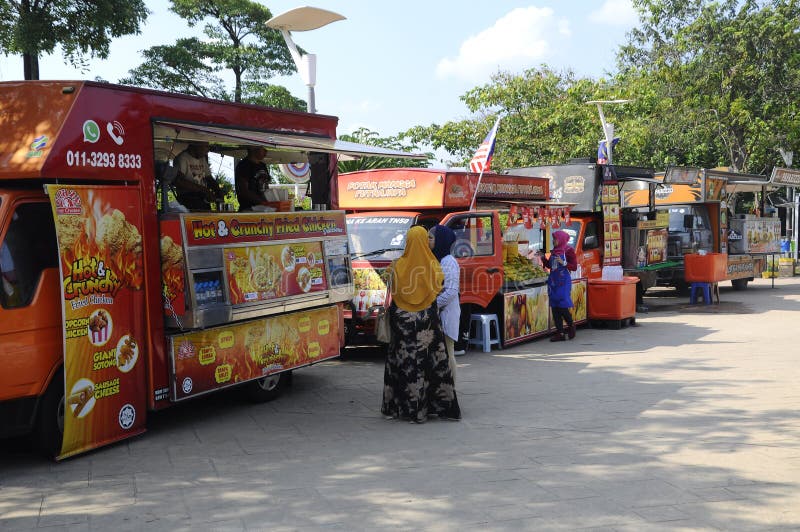
- Pop-up events or food truck pilot
- Focus groups with target customers
- Soft opening with limited audience
- Menu testing at existing locations
- Online surveys and feedback gathering
Use feedback to refine your concept before full launch.
Common Concept Mistakes to Avoid
Copying competitors: Differentiation, not imitation, drives success.
Concept creep: Trying to be everything to everyone dilutes your brand.
Ignoring operations: A great concept that's impossible to execute consistently will fail.
Underestimating capital: Some concepts require more investment than others.
Personal preference over market demand: Your favorite cuisine may not match market needs.
Concept Case Study: From Idea to Reality
Consider "Roots & Grains," a concept developed using this framework:
Market Gap: Urban area with no dedicated whole-grain focused restaurant
Target Customer: Health-conscious professionals, 25-45, seeking nutritious but flavorful meals USP: "Ancient grain bowls with global flavors, made fresh daily" Service Style: Fast-casual with customization Price Point: $14-18 per bowl Brand: Earthy, modern, approachableThe focused concept made every subsequent decision easier.
Conclusion
A well-developed restaurant concept provides clarity for every business decision. Invest time upfront to research, refine, and validate your concept before committing capital. Remember: the best concepts solve a real problem for a specific customer in a way competitors can't easily copy.
Ready to develop your concept? Take our Restaurant Readiness Quiz to assess your preparation, then use our AI Consultant to brainstorm and refine your unique restaurant concept.
Tags
Recommended Tools
Put This Knowledge Into Action
Use these tools to apply what you just learned