Opening a Restaurant in Malaysia in 2026: The Real Challenges Nobody Warns You About
Rising ingredient costs, a crippling labour shortage, and new digital demands are reshaping Malaysia's F&B landscape. Here's what every aspiring restaurant owner needs to know before investing a single ringgit.
Malaysia's F&B industry is worth over RM70 billion — and it's never been harder to make money in it. Rising ingredient prices, a persistent labour crisis, and the expectation that every restaurant must now be a tech-enabled, omnichannel operation are squeezing margins to breaking point.
If you're planning to open a restaurant in Malaysia in 2026, here's the unfiltered truth about what you're walking into.
Challenge #1: Raw Material Costs Are Eating Your Margins
The cost of running a Malaysian restaurant has increased dramatically. Cooking oil, chicken, rice, and imported ingredients have all seen sustained price increases since 2023 — and government subsidies that once cushioned the blow are being progressively restructured.
| Ingredient | 2023 Price | 2025 Price | Change |
|---|---|---|---|
| Cooking oil (15kg) | RM38 | RM52 | +37% |
| Chicken (whole, kg) | RM8.90 | RM11.20 | +26% |
| Rice (local, 10kg) | RM26 | RM34 | +31% |
| Imported beef (kg) | RM45 | RM58 | +29% |
For a typical Malaysian restaurant with RM50,000/month revenue, a 5% increase in food costs translates to RM2,500/month in lost profit — often the difference between survival and closure.
What Smart Operators Are Doing
- Menu engineering: Removing low-margin items and promoting high-margin dishes
- Supplier diversification: Working with 3-4 suppliers instead of one to negotiate better rates
- Waste reduction: Implementing inventory systems that cut daily food waste by 15-25%
Challenge #2: The Labour Crisis Is Real — and Getting Worse
Malaysia's F&B industry is heavily dependent on foreign labour, but government restrictions on foreign worker recruitment have created a structural shortage. The result:
- Increased wages — Restaurants must pay 20-30% more than 2023 rates to attract staff
- High turnover — Average staff tenure in Malaysian F&B is now under 8 months
- Training costs — Constant recruitment means constant retraining
The industry is responding with automation — QR ordering, self-service kiosks, and AI-powered kitchen management systems. But these require upfront investment that many small operators struggle to afford.
Free: Restaurant Startup Checklist
Get our step-by-step checklist covering permits, funding, location selection, and everything you need before opening day.
No spam, ever. Unsubscribe anytime.
Challenge #3: Digital Is No Longer Optional
In 2026 Malaysia, a restaurant without a digital presence is essentially invisible. The expectation from consumers is clear:
- Online ordering via GrabFood, Foodpanda, or your own platform
- E-wallet payments (Touch 'n Go, GrabPay, Boost)
- Social media presence on TikTok, Instagram, and Xiaohongshu
- Digital loyalty programs that replace paper stamp cards
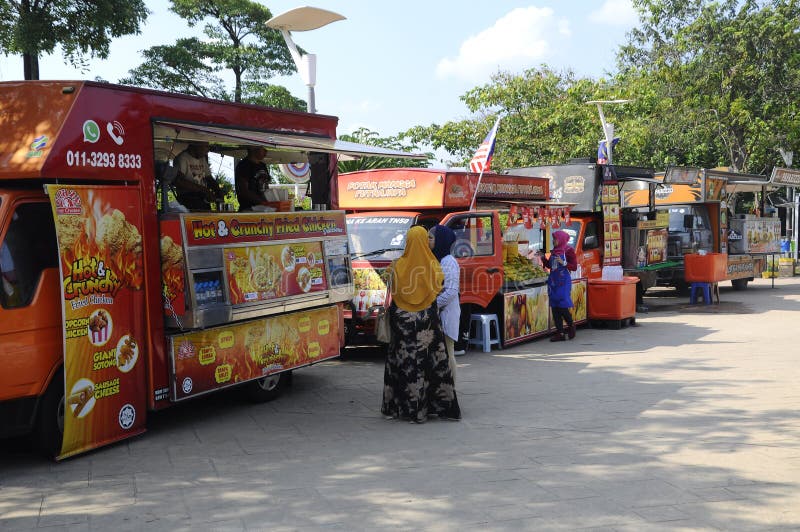
The "Brick + Click" model — where your physical restaurant is integrated with online ordering and delivery — is now the baseline, not a competitive advantage.
Challenge #4: Halal Certification Compliance
For restaurants targeting the Malay market (which represents over 60% of Malaysia's population), JAKIM halal certification is effectively mandatory. The process requires:
- Dedicated halal-compliant kitchen setup
- Staff training in halal food handling
- Regular audits and documentation
- Fees ranging from RM1,000 to RM5,000 depending on business size
Non-Muslim-owned restaurants that want to serve the broader market must factor these costs and requirements into their business plan from day one.
Challenge #5: Utility Costs Are Surging
Electricity tariff restructuring and water rate increases have added RM800-RM2,000/month to the average restaurant's operating costs. Restaurants with heavy air conditioning (shopping mall outlets) and commercial kitchen equipment are hit hardest.
What You Must Know Before Opening
The minimum investment to open a small restaurant in Malaysia ranges from RM80,000 to RM250,000 depending on location, concept, and fit-out requirements. But the real number that matters is your monthly breakeven — the amount you need to sell every month just to cover rent, wages, ingredients, utilities, and loan repayments.
Too many Malaysian F&B entrepreneurs discover this number after they've already signed the lease.
👉 [Calculate your exact startup costs with our free City Cost Calculator](/tools/startup-cost-by-city) — it includes current 2026 data for KL, Penang, JB, Kota Kinabalu, and other Malaysian cities.
Opportunities Worth Pursuing
Despite the challenges, Malaysia's F&B sector offers genuine opportunities:
- Halal export market — Malaysia's reputation as a global halal hub opens doors to regional and international markets
- Health-conscious dining — Demand for reduced-sugar, plant-based, and functional food is growing 15-20% annually
- Cloud kitchens — Lower-cost operating models that eliminate the need for expensive shopfront rentals
- Tourism recovery — International arrivals are driving demand in KL, Penang, and Langkawi
The Bottom Line
Malaysia remains one of the most exciting F&B markets in Southeast Asia — but 2026 is not the year to wing it. The operators who succeed will be those who plan meticulously, understand their cost structure, and build digital-first operations from the start.
👉 [Not sure if you're ready to open? Take our free Restaurant Readiness Quiz](/quiz) — it assesses your financial preparedness, market understanding, and operational readiness in under 5 minutes.
Tags
Recommended Tools
Put This Knowledge Into Action
Use these tools to apply what you just learned