Starting a Restaurant in Indonesia: The 2026 Halal Deadline, Rising Costs, and What Every Owner Must Prepare For
Indonesia's mandatory halal certification deadline hits October 2026. Combined with complex NIB licensing, BPOM registration, and rising operational costs, here's the complete survival guide for Indonesian restaurant owners.
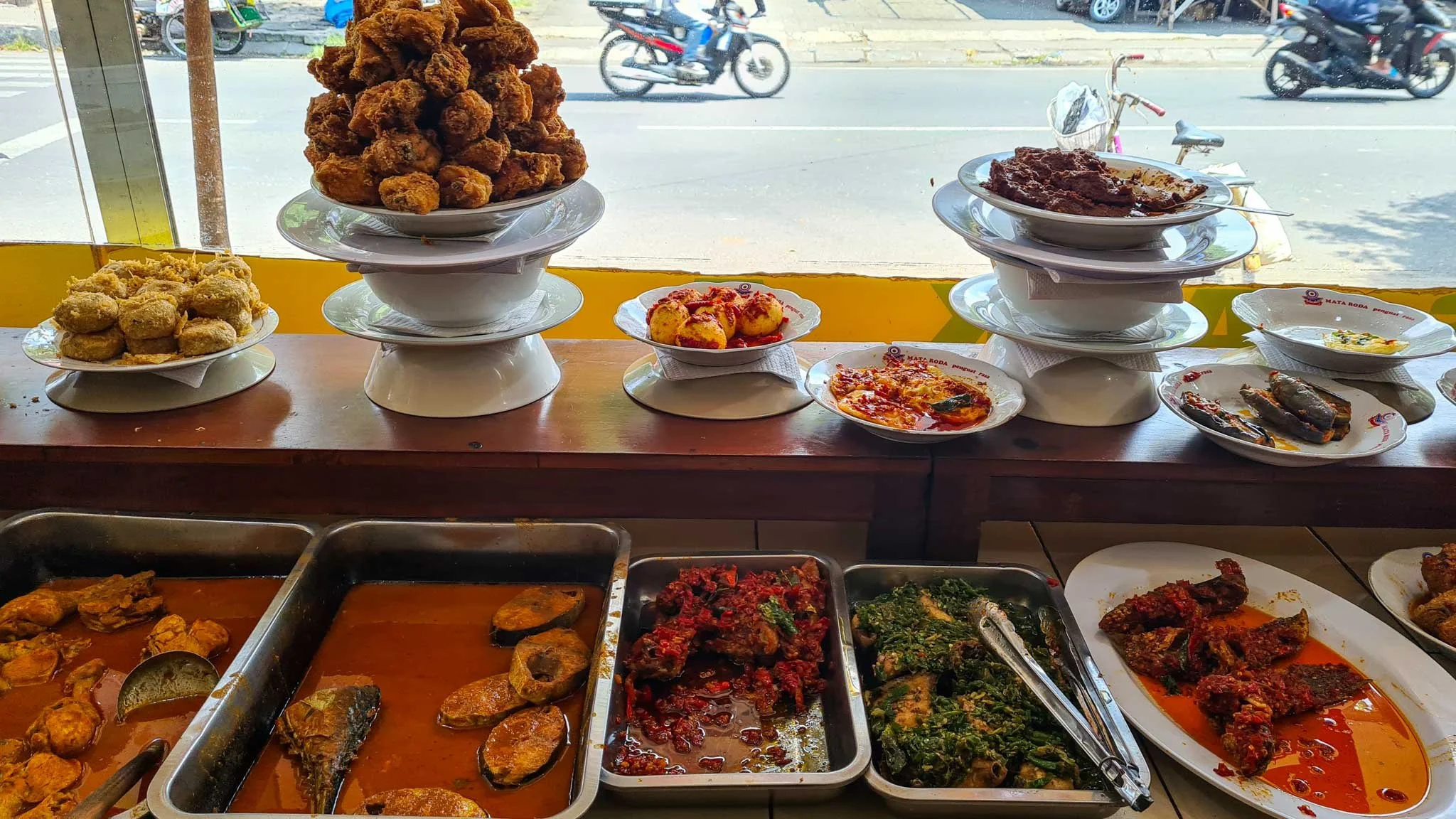
Indonesia's food and beverage market is one of the largest in Southeast Asia, powered by a population of 280 million and a rapidly growing middle class. But 2026 brings a regulatory earthquake that every restaurant owner — existing or aspiring — must prepare for.
The mandatory halal certification deadline is October 17, 2026. If you're not ready, you risk losing the ability to legally sell food to Indonesia's 230 million Muslim consumers.
Here's everything you need to know.
The Halal Deadline: What It Means for Your Restaurant
The Law
Indonesia's Halal Product Assurance Law (UU No. 33/2014) has transitioned from voluntary to mandatory. By October 17, 2026, all food and beverage products circulating or traded in Indonesia must either:
Who Enforces It
The Badan Penyelenggara Jaminan Produk Halal (BPJPH) is the primary certification authority. They work with accredited Halal Inspection Bodies (LPH) to audit and certify businesses.
The SIHALAL Fast-Track for Small Businesses
Recognising that Indonesia has approximately 28 million MSMEs, BPJPH introduced the Halal Self-Declaration Programme (SIHALAL) — a digital platform that simplifies certification for small businesses dealing in "simple" products.
However, millions of small warung and restoran operators still lack the digital access or understanding to complete the process.
| Certification Path | Cost | Timeline | Best For |
|---|---|---|---|
| Full BPJPH certification | Rp 2-10 million | 3-6 months | Medium to large restaurants |
| SIHALAL self-declaration | Free to Rp 300,000 | 2-4 weeks | Small warung, MSMEs |
| Non-halal labelling | Rp 500,000-1 million | 2-4 weeks | Restaurants serving pork/alcohol |
Free: Restaurant Licensing Guide
Our licensing guide covers every permit and license you need, with country-specific requirements for Malaysia and beyond.
No spam, ever. Unsubscribe anytime.
Beyond Halal: The Full Regulatory Stack
NIB (Nomor Induk Berusaha)
Every restaurant in Indonesia needs a Business Identification Number obtained through the OSS RBA (Online Single Submission Risk-Based Approach) platform. This replaces the old SIUP trading licence.
BPOM Registration
If you produce packaged food or beverages for retail sale, you need registration with the National Agency of Drug and Food Control (BPOM). This includes:
- Product testing and lab analysis
- Nutritional labelling compliance
- Good Manufacturing Practice (GMP) documentation
Local Permits
Depending on your city and kabupaten, you may also need:
- HO (Izin Gangguan) — Nuisance permit for businesses in residential areas
- IMB/PBG — Building permit for renovations
- Environmental permits — Required for restaurants above certain sizes
The Cost Reality for Indonesian Restaurant Startups
Startup costs in Indonesia vary dramatically by city and concept:
| Cost Category | Jakarta | Bali (Seminyak) | Yogyakarta | Surabaya |
|---|---|---|---|---|
| Monthly rent | Rp 15-50 juta | Rp 20-80 juta | Rp 5-15 juta | Rp 8-25 juta |
| Kitchen equipment | Rp 50-200 juta | Rp 60-250 juta | Rp 30-100 juta | Rp 40-150 juta |
| Renovation | Rp 80-300 juta | Rp 100-400 juta | Rp 40-150 juta | Rp 50-200 juta |
| Licensing & halal | Rp 10-25 juta | Rp 15-30 juta | Rp 8-15 juta | Rp 8-20 juta |
| Working capital (3 months) | Rp 60-150 juta | Rp 80-200 juta | Rp 30-80 juta | Rp 40-100 juta |
Operational Challenges in 2026
Rising Ingredient Costs
Global supply chain disruptions and domestic production challenges have pushed up the cost of staple ingredients. Cooking oil, rice, chicken, and imported spices are all significantly more expensive than two years ago.
Labour Market Shifts
While Indonesia doesn't face the same labour shortage as Singapore or Malaysia, finding skilled kitchen staff remains challenging. The best cooks are being recruited by hotel chains and large restaurant groups that offer better benefits.
Delivery Platform Dependency
GrabFood and GoFood dominate Indonesia's food delivery market, but their commission rates (20-30%) make profitability on delivery orders extremely difficult for small operators.
Action Steps for 2026
The Opportunity
Indonesia's F&B market is projected to grow at 8-10% annually through 2030. The regulatory tightening — while painful in the short term — is actually good for serious operators: it raises the barrier to entry and pushes out non-compliant competitors.
If you're prepared, licensed, and financially disciplined, Indonesia in 2026 is one of the most exciting restaurant markets in the world.
👉 [Not sure if you're financially ready? Take our free Restaurant Readiness Quiz](/quiz) — it evaluates your budget, market knowledge, and operational preparedness in under 5 minutes.
Tags
Recommended Tools
Put This Knowledge Into Action
Use these tools to apply what you just learned