Restaurant Health & Safety Compliance: Everything You Need to Pass Inspections
Master restaurant health codes, food safety regulations, and inspection requirements. Learn what health inspectors look for and how to maintain an A-grade establishment.
Health and safety compliance isn't just about passing inspections—it's about protecting your customers, employees, and business reputation. One foodborne illness outbreak can destroy years of hard work. This comprehensive guide covers everything you need to know about restaurant health and safety in 2026.
Understanding the Regulatory Landscape
Restaurant health and safety is regulated at multiple levels: federal guidelines from the FDA set baseline standards, state health departments adapt and enforce regulations, and local health authorities conduct inspections.
The FDA Food Code serves as the model code that most states adopt, with modifications. Your state and local health department websites are the best sources for specific requirements in your area.
Core Food Safety Principles
All food safety regulations stem from preventing foodborne illness. Understanding these principles helps you comply with specific rules.
The Big Six Pathogens:
These cause the most serious foodborne illnesses and are the primary focus of food safety regulations.
How Contamination Occurs:
- Biological (bacteria, viruses, parasites)
- Chemical (cleaning supplies, pesticides)
- Physical (hair, glass, metal)
- Cross-contamination between raw and ready-to-eat foods
Temperature Control: The Critical Factor
Temperature abuse is the leading cause of foodborne illness in restaurants. Master these principles.
The Temperature Danger Zone:
40°F to 140°F (4°C to 60°C) is where bacteria multiply rapidly. Food shouldn't remain in this zone for more than 2 hours total.
Safe Cooking Temperatures:
- Poultry: 165°F (74°C)
- Ground meats: 155°F (68°C)
- Whole cuts of beef/pork: 145°F (63°C) with 3-minute rest
- Fish: 145°F (63°C)
- Eggs for immediate service: 145°F (63°C)
- Reheated foods: 165°F (74°C) within 2 hours
Cool hot foods from 135°F to 70°F within 2 hours, then from 70°F to 41°F within an additional 4 hours. Use shallow containers, ice baths, or blast chillers to speed cooling.
Cold Holding: Keep cold foods at 41°F (5°C) or below.
Hot Holding: Keep hot foods at 135°F (57°C) or above.
Employee Health and Hygiene
Your staff is the front line of food safety.
Employee Illness Policy:
Employees must be excluded from work if they have vomiting, diarrhea, jaundice, sore throat with fever, or open/infected wounds. Document your policy and train staff to report symptoms.
Handwashing Requirements:
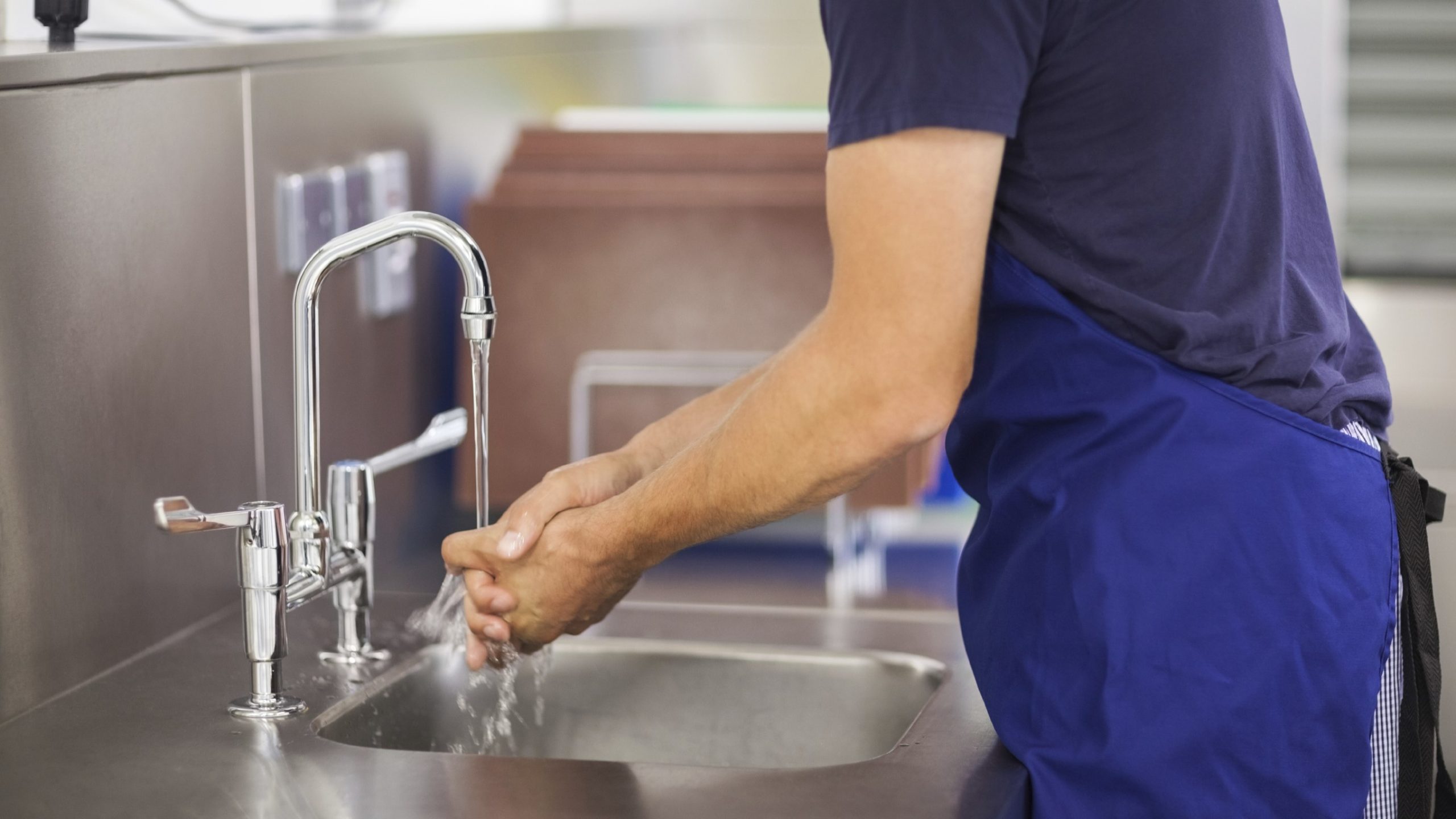
Proper handwashing is required after using the restroom, before handling food, after touching raw meat/poultry/seafood, after handling money, after touching face/hair/body, after coughing/sneezing, and after cleaning tasks.
Proper Handwashing Technique:
Glove Use:
Gloves prevent bare hand contact with ready-to-eat foods. Change gloves when switching tasks, after touching non-food surfaces, and every 4 hours during continuous use.
Cross-Contamination Prevention
Preventing cross-contamination requires systematic approaches.
Color-Coded Cutting Boards:
- Red: Raw meat
- Yellow: Poultry
- Blue: Fish/seafood
- Green: Fruits/vegetables
- White: Dairy/bread
Ready-to-eat foods, then whole fish, then whole cuts of beef/pork, then ground meats, and finally raw poultry at the bottom.
Physical Separation:
Separate raw proteins from ready-to-eat foods during prep, cooking, and storage. Use different utensils, equipment, and prep areas when possible.
Free: Restaurant Licensing Guide
Our licensing guide covers every permit and license you need, with country-specific requirements for Malaysia and beyond.
No spam, ever. Unsubscribe anytime.
Cleaning and Sanitizing
Cleaning removes visible soil. Sanitizing reduces pathogens to safe levels. Both are necessary.
The Three-Compartment Sink Process:
Sanitizer Concentrations:
- Chlorine bleach: 50-100 ppm
- Quaternary ammonia: Per manufacturer (typically 200-400 ppm)
- Iodine: 12.5-25 ppm
Use test strips to verify sanitizer concentration every time you prepare a new batch.
Cleaning Schedule:
Create and follow a master cleaning schedule that covers daily, weekly, monthly, and quarterly tasks. Post it visibly and track completion.
HACCP Principles
Hazard Analysis Critical Control Point (HACCP) is the gold standard for food safety management. While full HACCP plans aren't always required, understanding the principles improves food safety.
The 7 HACCP Principles:
For restaurants, CCPs typically include receiving, storage, cooking, cooling, and reheating.
Receiving and Storage Best Practices
Food safety starts when deliveries arrive.
Receiving Checklist:
- Check delivery truck temperature
- Inspect packaging for damage
- Verify temperatures of refrigerated/frozen items
- Check expiration dates
- Reject items that don't meet standards
- Store immediately in proper locations
- First In, First Out (FIFO) rotation
- Date all items upon receipt
- Store foods 6 inches off the floor
- Maintain 4 inches between items and walls
- Cover all containers
- Store chemicals separately from food
Pest Control
Pests carry diseases and contaminate food. Prevention is key.
Integrated Pest Management (IPM):
- Seal entry points (doors, pipes, vents)
- Eliminate food and water sources
- Maintain cleanliness
- Regular professional inspections
- Minimal chemical use (targeted, as needed)
Droppings, gnaw marks, nesting materials, dead insects, grease marks along walls.
Required Documentation
Health inspectors want to see proper records.
Essential Records:
- Temperature logs (cooler, freezer, hot holding)
- Cooking temperature logs
- Employee training records
- Cleaning schedules and checklists
- Pest control service records
- Food safety certifications
- Equipment maintenance logs
Keep records for at least 90 days (check local requirements).
What Health Inspectors Look For
Inspections typically focus on these priority items:
Critical Violations (can cause illness):
- Improper hot/cold holding temperatures
- Inadequate cooking temperatures
- Cross-contamination
- Improper handwashing
- Unsafe food sources
- Contaminated equipment
- Missing thermometers
- Improper food storage
- Poor housekeeping
- Equipment in disrepair
- Missing signs or postings
Preparing for Inspections
Daily Preparation:
- Check and log temperatures
- Verify sanitizer concentrations
- Confirm handwashing stations are stocked
- Review employee health
- Greet inspector professionally
- Accompany them during inspection
- Answer questions honestly
- Take notes
- Don't argue (discuss after)
- Fix critical violations immediately
Handling Violations
If you receive violations:
Food Safety Training Requirements
Most jurisdictions require at least one certified food safety manager on staff at all times.
Common Certifications:
- ServSafe (National Restaurant Association)
- NRFSP (National Registry of Food Safety Professionals)
- State-specific certifications
Many states also require food handler cards for all employees, typically requiring 2-4 hours of training.
Building a Food Safety Culture
Compliance should be part of your restaurant's DNA.
Cultural Elements:
- Lead by example
- Make food safety part of hiring/orientation
- Regular refresher training
- Open communication about concerns
- Recognize and reward compliance
- Never take shortcuts under pressure
Technology for Compliance
Modern tools can help maintain compliance.
Useful Technologies:
- Digital temperature monitoring systems
- Automated HACCP logging
- Digital checklists and task management
- Employee training platforms
- Inventory management with FIFO alerts
These tools reduce human error and create automatic documentation.
Conclusion
Health and safety compliance protects your customers, employees, and business. Rather than viewing it as a burden, embrace it as a core value. The time and effort invested in proper food safety practices pays dividends through customer trust, employee pride, and regulatory peace of mind.
Use our Opening Checklist tool to track all health and safety requirements as you prepare to open your restaurant.
Tags
Recommended Tools
Put This Knowledge Into Action
Use these tools to apply what you just learned