First 90 Days After Opening Your Hawker Stall — A Survival Guide
The make-or-break period for any new hawker stall. Here's your week-by-week game plan for building a customer base, managing cash flow, and avoiding the traps that close new stalls.
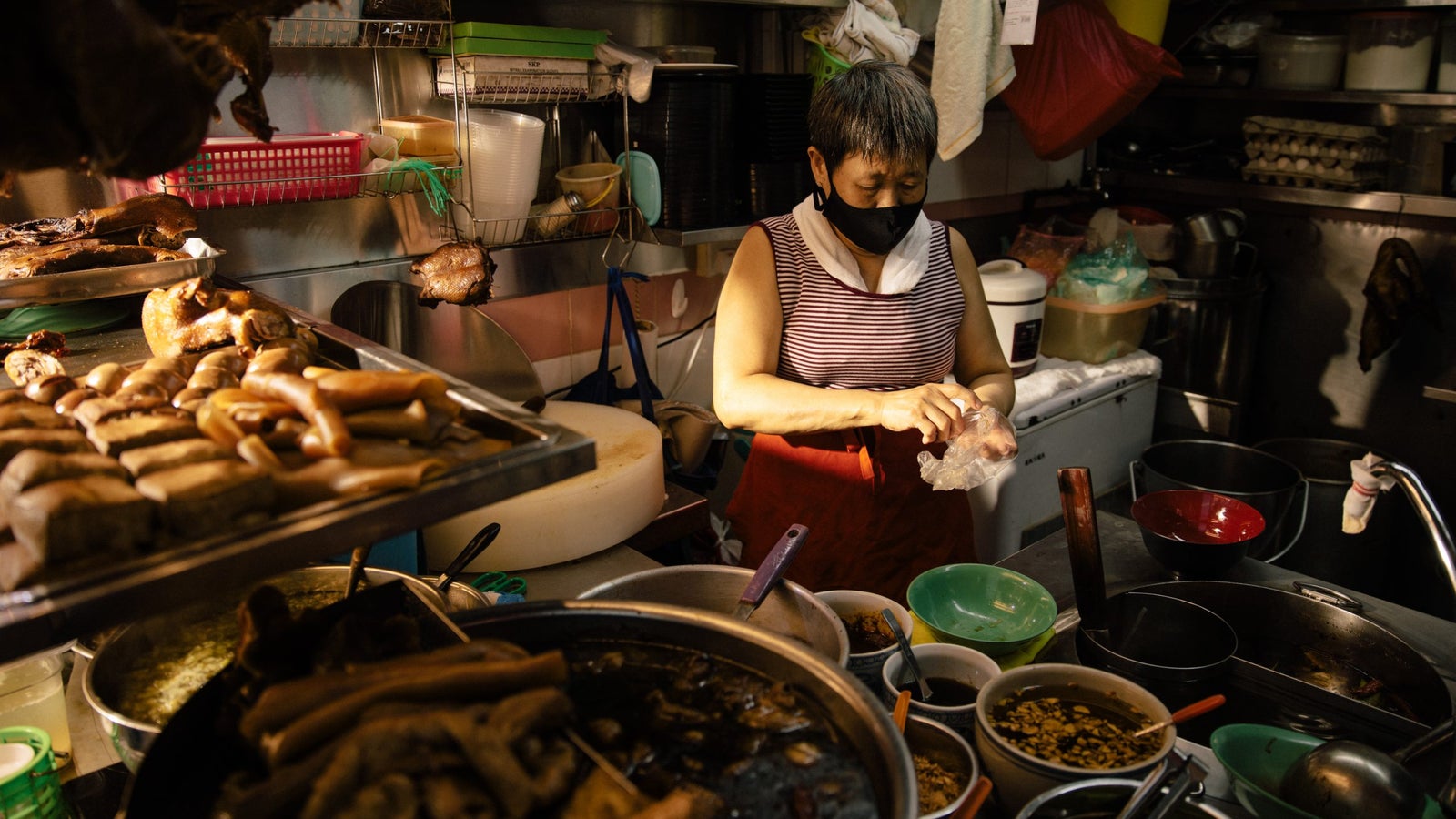
You've done it. The stall is set up, the licence is on the wall, and tomorrow morning you're opening for business.
Now comes the hardest part.
The first 90 days of a hawker stall are brutal. You're learning your equipment, your timing, your customers, and your cash flow all at once. Everything that can go wrong will go wrong — and usually during the lunch rush.
I've worked with hundreds of new food business owners across Southeast Asia. The ones who make it through the first 90 days with a plan almost always succeed long-term. The ones who wing it... many close within 6 months.
Here's your week-by-week survival guide.
Week 1-2: Soft Opening (Don't Try to Be Perfect)
What to Focus On
Speed and consistency. Nothing else matters right now.
Your goal in week 1 is NOT to serve your best food. It's to serve consistent food at a reasonable speed. You'll improve the taste over time. But if you're slow and inconsistent from day one, customers won't come back for a second chance.
Practical Steps
Cash Flow Reality Check
Your first week revenue will probably be disappointing. That's normal.
| Week 1 typical results | Amount |
|---|---|
| Daily customers | 30-80 |
| Average transaction | S$5-7 / RM8-12 / ฿50-80 |
| Daily revenue | S$200-500 / RM250-600 |
| Daily profit after food cost | S$130-350 / RM165-400 |
| After rent, utilities, packaging | Much less |
> Critical: Track every single expense and every single sale from day one. Use a simple notebook, a spreadsheet, or our [Daily Sales Tracker](/dashboard/operations/daily-sales). You need this data to make smart decisions.
Week 3-4: Build Your Regulars
Customer Acquisition Strategy
By week 3, you should know who your daily regulars are. These are the people who work nearby, live nearby, or pass by your hawker centre regularly.
How to turn visitors into regulars:
Get On Delivery Platforms (If You Haven't Already)
Week 3-4 is the right time to onboard GrabFood, foodpanda, or ShopeeFood. By now you should:
- Have your menu finalised
- Know your preparation times
- Have packaging sorted
- Be able to handle some additional volume
- Apply on multiple platforms simultaneously
- Invest in good food photos (or take them yourself with natural light + clean background)
- Set delivery prices 15-20% higher than dine-in
- Start with a small delivery menu (your top 3-4 items)
Set Up Digital Payments
If you haven't already:
- Singapore: PayNow, NETS, GrabPay
- Malaysia: DuitNow, Touch 'n Go eWallet, Boost
- Thailand: PromptPay
- Indonesia: QRIS (covers GoPay, OVO, DANA, ShopeePay all at once)
Many younger customers will skip your stall entirely if you're cash-only.
Free: Restaurant Startup Checklist
Get our step-by-step checklist covering permits, funding, location selection, and everything you need before opening day.
No spam, ever. Unsubscribe anytime.
Month 2: Optimise and Stabilise
Menu Engineering
By month 2, you have enough data to make smart menu decisions:
Use our [Menu Engineering tool](/tools/menu-engineering) to classify your dishes into Stars, Plowhorses, Puzzles, and Dogs.
Staff Decisions
If you started solo or with one helper, month 2 is when you'll know if you need more help.
Signs you need to hire:
- You're turning away customers during peak hours
- Preparation is consistently late, affecting opening time
- You're working 14+ hours daily and burning out
- Quality drops during busy periods
Cash Flow Management
By month 2, you should know your daily break-even number. Use our [Break-Even Calculator](/tools/break-even) if you haven't already.
Example break-even for a Singapore hawker stall:
- Monthly rent: S$1,500
- Utilities: S$300
- Packaging: S$400
- Miscellaneous: S$300
- Total fixed: S$2,500/month = S$96/day (26 operating days)
If your average margin per dish (after food cost) is S$3.50, you need to sell 28 dishes/day just to break even — before paying yourself.
Anything above 28 is your income. Sell 100 dishes at S$3.50 margin = S$350 - S$96 fixed = S$254/day take-home = about S$6,600/month.
Not bad for a hawker stall. But you need those numbers to make decisions.
Month 3: Growth Mode
Social Media Presence
Month 3 is when you start investing time in visibility:
- Singapore: Burpple, HungryGoWhere
- Malaysia: FoodAdvisor, Zomato
- Thailand: Wongnai
- Indonesia: Pergikuliner, Zomato
Analyse Your Delivery Performance
After a month on delivery platforms, check:
- Which platform brings more orders?
- What's your average order value per platform?
- What's your refund/cancellation rate?
- Are you profitable after commissions?
Use our [Delivery Profitability Tracker](/dashboard/operations/delivery-profitability) to compare platforms side by side.
Start Building Direct Orders
This is the month to start converting platform customers to direct orders:
- Put a WhatsApp QR code on your stall
- Include a "10% off direct orders" flyer in every delivery bag
- Start a simple customer list (WhatsApp broadcast list works great)
Common First-90-Day Mistakes
1. Trying to Serve Everyone
You can't be a nasi lemak stall AND a Western food stall AND a dessert shop. Pick your identity and own it.
2. Changing the Menu Too Often
Customers need time to find their favourites. Changing dishes every week confuses them. Stabilise for at least a month before making changes.
3. Ignoring the Numbers
"I'm too busy cooking to do accounting" — this is how stalls fail. Spend 15 minutes every night recording your numbers. Use our [Daily Sales Tracker](/dashboard/operations/daily-sales) to make it fast.
4. Competing on Price
The stall next door charges S$3? Don't charge S$2.50. Compete on quality, speed, and personality. Price wars in hawker centres have no winners.
5. Not Taking Rest Days
Burnout is real. Take at least one full day off per week. A tired, resentful hawker makes bad food and treats customers poorly.
6. Underestimating Waste
Your first month will have significant food waste as you learn how much to prep. Track it, learn from it, reduce it week by week.
The 90-Day Milestone Check
At the end of 90 days, ask yourself:
| Question | Good Sign | Warning Sign |
|---|---|---|
| Daily customer count trend | Growing week over week | Flat or declining |
| Regular customers | 20+ people you recognise | Same few faces only |
| Food cost | Under 35% | Above 40% |
| Daily dishes sold | 80+ | Under 50 |
| Your energy level | Tired but motivated | Exhausted and dreading tomorrow |
| Cash flow | Covering costs + some income | Dipping into savings monthly |
If most answers are in the "Good Sign" column — congratulations. You've survived the hardest part. The business gets easier from here.
If you're seeing warning signs, don't give up yet — but be honest about what needs to change. Use our [AI Consultant](/chatbot) to discuss your situation and get personalised advice.
Your Complete First 90 Days Toolkit
- [First 90 Days Checklist](/tools/first-90-days) — Week-by-week task list customised for Asian markets
- [Daily Sales Tracker](/dashboard/operations/daily-sales) — Log sales and costs daily (supports SGD, MYR, THB, IDR)
- [Break-Even Calculator](/tools/break-even) — Know your daily target number
- [Menu Engineering](/tools/menu-engineering) — Analyse which dishes make money
- [Delivery Profitability Tracker](/dashboard/operations/delivery-profitability) — Compare platform performance
- [AI Consultant](/chatbot) — Ask questions anytime, in any language
The first 90 days test everything — your cooking, your business sense, your stamina, and your commitment. But thousands of hawkers have done it before you, and thousands more will do it after. You've got this. 💪
Tags
Recommended Tools
Put This Knowledge Into Action
Use these tools to apply what you just learned