Complete Guide to Opening a Hawker Stall in Singapore (2026)
Everything you need to know about opening a hawker stall in Singapore — from NEA bidding and SFA licensing to realistic costs, timelines, and the mistakes that sink most new hawkers.
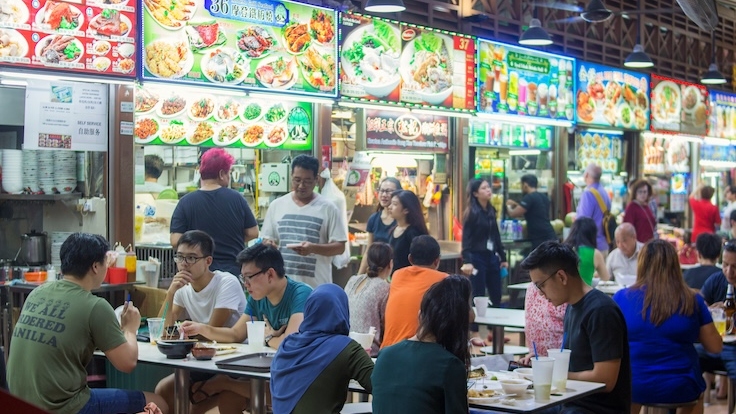
So you want to open a hawker stall in Singapore. Good — it's one of the smartest food business moves you can make in Southeast Asia.
Singapore's hawker culture is literally UNESCO-recognised. There are over 6,000 hawker stalls across 114 hawker centres, serving millions of meals every day. The barriers to entry are lower than a restaurant, the foot traffic is built in, and Singaporeans eat out constantly — the average person eats hawker food 3-4 times a week.
But here's what nobody tells you: opening a hawker stall is straightforward. Running a profitable one is hard. The margins are thin, the hours are brutal, and the competition is fierce. I've seen talented cooks fail in 6 months because they didn't understand the business side.
This guide covers everything — the real costs, the licensing maze, the timeline, and the mistakes that sink most new hawkers.
Step 1: Understand the Two Paths to a Hawker Stall
There are two main ways to get a hawker stall in Singapore:
Path A: NEA Hawker Stall Tender (Government Allocation)
The National Environment Agency (NEA) periodically puts hawker stalls up for tender. This is the traditional route.
How it works:
- NEA announces available stalls on their website and in newspapers
- You submit a bid with your proposed monthly rent
- Stalls are awarded based on bid price (and sometimes other criteria for subsidised stalls)
- Typical tender rent: S$800–S$3,000/month depending on location and foot traffic
Path B: Existing Stall Takeover
You can take over an existing stall from a retiring hawker or someone exiting the business.
How it works:
- Find stalls through word-of-mouth, property agents, or online listings
- Negotiate takeover fee (essentially buying the right to the lease + existing equipment)
- Typical takeover fee: S$20,000–S$80,000 depending on location and condition
- Transfer the licence through NEA
> My recommendation: If you're a first-time hawker with limited capital, go the NEA tender route. The subsidised stalls for new entrants have monthly rents as low as S$200–500 for the first few years. That's an incredible deal.
Step 2: Get Your Licences and Certifications
This is where most people get confused. Here's the exact checklist:
1. SFA Food Shop Licence (Mandatory)
The Singapore Food Agency issues the licence that lets you operate. Without it, you cannot sell food.
Requirements:
- Apply online via GoBusiness
- Stall must meet SFA layout and hygiene requirements
- Processing time: 1-2 weeks after inspection
- Cost: S$195/year (hawker stall category)
2. Basic Food Hygiene Course — BFHC (Mandatory)
At least one person per stall must hold a valid BFHC certificate.
Details:
- 1-day course from any SFA-accredited provider
- Cost: S$120–180 per person
- Valid indefinitely (but best practice is to refresh every few years)
- Available in English, Chinese, Malay, and Tamil
3. Food Hygiene Officer (Required for stalls with 5+ workers)
If you employ 5 or more food handlers, you need a certified Food Hygiene Officer.
4. NEA Stall Licence Transfer (if taking over)
If you're taking over a stall, the licence transfer must go through NEA. Budget 2-4 weeks.
5. MUIS Halal Certification (Optional but powerful)
If your food is halal, getting MUIS certification opens you up to the entire Muslim market in Singapore (about 15% of the population plus tourists from Malaysia, Indonesia, and the Middle East).
Details:
- Apply through MUIS online portal
- Requires: Muslim kitchen supervisor, halal ingredients, no cross-contamination
- Cost: S$120–300/year depending on stall type
- Processing time: 4-8 weeks
> Pro tip: Even if you're not pursuing halal certification, understanding the basics of halal preparation will help you serve a wider customer base. Many non-certified stalls still advertise "Muslim-owned" which carries weight with the local community.
Free: Restaurant Startup Checklist
Get our step-by-step checklist covering permits, funding, location selection, and everything you need before opening day.
No spam, ever. Unsubscribe anytime.
Step 3: Know Your Real Startup Costs
Forget the "you can open a hawker stall for S$5,000" articles. Here's what it actually costs in 2026:
Realistic Budget Breakdown
| Category | NEA Tender (New Stall) | Takeover |
|---|---|---|
| Stall deposit & advance rent | S$1,600–6,000 | S$1,600–6,000 |
| Takeover fee | — | S$20,000–80,000 |
| Renovation & fit-out | S$8,000–25,000 | S$2,000–10,000 |
| Equipment (wok range, fridge, etc.) | S$5,000–15,000 | Often included |
| Initial ingredients & supplies | S$1,500–3,000 | S$1,500–3,000 |
| Licences & certifications | S$500–800 | S$500–800 |
| Working capital (3 months) | S$5,000–10,000 | S$5,000–10,000 |
| Total | S$22,000–60,000 | S$30,000–110,000 |
Where the Money Actually Goes
Renovation is the wildcard. A basic stall refresh (new tiles, paint, signage) might cost S$8,000. A full custom build-out with stainless steel counters, commercial ventilation, and custom storage can hit S$25,000.
Equipment costs vary wildly:
- Commercial wok range: S$800–2,500
- Upright commercial fridge: S$1,200–3,000
- Chest freezer: S$400–800
- Rice cooker (commercial): S$200–500
- Prep tables, shelving: S$500–1,500
- POS system + QR payment: S$300–800
> Money-saving tip: Buy second-hand equipment from stalls that are closing. Check Carousell, Facebook marketplace, and ask around the hawker centre. I've seen clients save 40-60% on equipment this way.
Step 4: Plan Your Menu for Profit
This is where the business mind matters more than the cooking skills.
The Hawker Pricing Reality
Singapore hawker food is price-sensitive. Most dishes sell between S$3.50–8.00. Your customers will notice if you charge S$6 for something the stall next door sells for S$4.50.
Target food cost: 28-35% — meaning if your dish sells for S$5, your ingredient cost should be S$1.40–1.75.
Menu Design Principles for Hawkers
Delivery Platform Considerations
GrabFood and foodpanda are unavoidable in Singapore's hawker scene. But their commissions eat into your margins:
- GrabFood: 25-30% commission
- foodpanda: 25-30% commission
Step 5: Set Your Timeline
Here's a realistic timeline for opening a hawker stall via NEA tender:
| Phase | Duration |
|---|---|
| Win NEA tender | 2-4 weeks (from application) |
| BFHC course | 1 day |
| SFA licence application | 1-2 weeks |
| Renovation & fit-out | 2-4 weeks |
| Equipment installation | 1 week |
| SFA inspection & approval | 1-2 weeks |
| Soft opening | 1 week |
| Total | ~8-12 weeks |
For takeovers, you can potentially be open in 3-4 weeks if the stall is in good condition.
Step 6: Funding Your Hawker Stall
Good news — Singapore has strong support for food entrepreneurs:
Government Grants
- Enterprise Development Grant (EDG): Up to 50% co-funding for business improvements
- Productivity Solutions Grant (PSG): Subsidies for digital tools (POS systems, accounting software)
- SkillsFuture Enterprise Credit: S$10,000 credit for skills training and transformation
Micro-Loans
- DBS/POSB SME loans: From S$10,000 at competitive rates
- OCBC Business First: Unsecured loans up to S$100,000
- Micro-loan from Enterprise Singapore: Up to S$100,000 for small businesses
Personal Savings + CPF
Many hawkers use personal savings combined with CPF ordinary account withdrawals for business investment. Check CPF board guidelines for the latest rules.
The Mistakes That Kill New Hawker Stalls
After advising dozens of hawker stall owners, here are the patterns I see in failures:
1. Underestimating Working Capital
Your first 3 months will be slow as you build a following. Budget for 3 months of rent, ingredients, and personal expenses with ZERO profit.
2. Trying to Do Everything Alone
The romantic image of the solo hawker legend is mostly myth. Most successful stalls have at least 2 people (even if it's husband-wife or parent-child). Burnout is real.
3. Ignoring the Breakfast/Lunch/Dinner Split
Not all hawker centres have equal traffic at all times. Some are breakfast-heavy (near MRT stations), some are lunch-heavy (near offices). Match your menu to your location's peak.
4. Neglecting Digital Presence
In 2026, even hawker stalls need a Google Business profile, decent food photos, and presence on delivery apps. Younger Singaporeans discover food through Instagram, TikTok, and Google Maps.
5. Pricing Too Low
This is counterintuitive, but charging too little is worse than charging too much. If your char kway teow is S$3 and your food cost is S$1.20, you're making S$1.80 per plate. Sell 150 plates a day and that's S$270 revenue after food cost — before rent, utilities, and your own salary.
Price fairly. Deliver quality. Customers will pay.
Your Next Steps
If you're serious about opening a hawker stall:
Opening a hawker stall is one of the most rewarding food business paths in Singapore. The startup costs are manageable, the culture supports you, and the demand is there. You just need to treat it like a business from day one.
Good luck — and may your queue be long. 🇸🇬
Tags
Recommended Tools
Put This Knowledge Into Action
Use these tools to apply what you just learned