How Much Does It Cost to Open a Restaurant in 2026? The Complete Breakdown
The real cost to open a restaurant in 2026 ranges from $175,000 to $750,000+. We break down every expense category with current data so you can plan your budget with confidence.
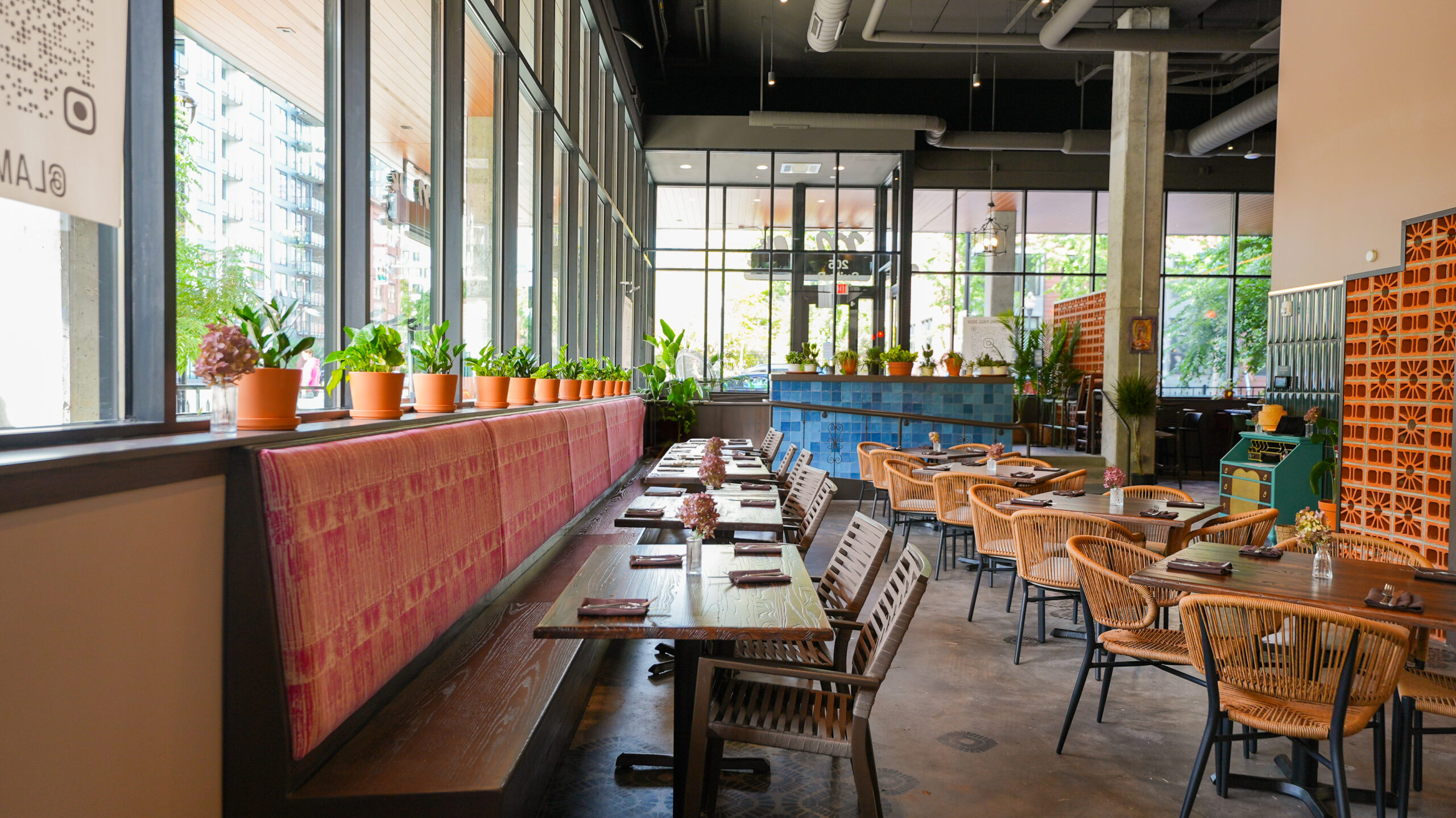
How Much Does It Cost to Open a Restaurant in 2026? The Complete Breakdown
Opening a restaurant remains one of the most exciting — and financially complex — ventures you can take on. Whether you're dreaming of a cozy neighborhood bistro or a fast-casual powerhouse, one question dominates every aspiring restaurateur's planning: how much is this actually going to cost me?
The honest answer for 2026: most independent restaurants require between $175,000 and $750,000 to open, with full-service concepts in major metros routinely exceeding $1 million. But the range is enormous because your concept, location, and build strategy drive costs more than any single factor.
In this guide, we'll walk through every major cost category using the latest 2026 data, so you can build a realistic budget — not a fantasy one.
The Big Picture: Average Startup Costs by Restaurant Type (2026)
Before diving into line items, here's what different restaurant formats typically cost to launch in 2026:
| Restaurant Type | Typical Startup Range (2026) |
|---|---|
| Food Truck | $50,000–$200,000 |
| Ghost Kitchen / Delivery-Only | $10,000–$75,000 |
| Quick-Service (QSR) | $150,000–$300,000 |
| Fast-Casual | $200,000–$500,000 |
| Full-Service Casual Dining | $300,000–$750,000 |
| Fine Dining | $500,000–$2.5 million+ |
| Franchise | $250,000–$1 million+ |
The national median for an independent restaurant sits around $375,000 — but medians can be misleading. Your actual number depends on the decisions you make in each category below.
> 🧮 Want to estimate your specific costs? Try our free [Startup Cost Calculator](/tools/startup-cost-by-city) — it adjusts for your concept type, city, and restaurant size.
1. Real Estate and Lease Costs
Your location is typically your largest ongoing expense and one of the biggest upfront commitments.
What to expect in 2026:
- Suburban / small market: $15–$30/sq ft per year
- Mid-size city: $25–$50/sq ft per year
- Major metro (NYC, LA, SF, Chicago): $50–$150+/sq ft per year
- Security deposit (2–3 months rent): $6,000–$45,000
- First and last month's rent: $4,000–$30,000
- Broker fee (if applicable): 4–6% of total lease value
2. Buildout and Construction
This is where budgets get blown. Construction costs have risen significantly, and 2026 is no exception.
Current buildout cost ranges:
- Second-gen space (cosmetic refresh): $50–$150/sq ft
- Moderate renovation: $150–$300/sq ft
- New construction / raw shell: $250–$800/sq ft
- Basic buildout: $100,000–$300,000
- Mid-range buildout: $300,000–$600,000
- High-end buildout: $500,000–$1.6 million
- HVAC and ventilation: $25,000–$75,000
- Plumbing (especially grease traps): $15,000–$50,000
- Electrical and lighting: $10,000–$40,000
- ADA compliance: $5,000–$25,000
- Hood system installation: $15,000–$40,000
Free: Startup Cost Calculator Guide
Get our detailed cost breakdown guide with real numbers, budgeting templates, and money-saving strategies for new restaurants.
No spam, ever. Unsubscribe anytime.
3. Kitchen Equipment
A fully equipped commercial kitchen is the engine of your business. In 2026, expect to invest:
| Equipment Category | Cost Range |
|---|---|
| Commercial range / oven | $3,000–$15,000 |
| Refrigeration (reach-in + walk-in) | $8,000–$25,000 |
| Hood / ventilation system | $15,000–$40,000 |
| Fryers | $1,500–$5,000 |
| Prep tables and smallwares | $3,000–$10,000 |
| Dishwasher | $3,000–$10,000 |
| Ice machine | $2,000–$6,000 |
| Total equipment budget | $50,000–$150,000 |
4. Licenses and Permits
Don't underestimate this category — especially the timeline. Some permits take months to obtain.
Common costs:
- Business license: $50–$500
- Food service permit: $100–$1,000
- Health department permit: $200–$1,000
- Fire department inspection: $200–$500
- Signage permit: $200–$2,000
- Liquor license: $500–$300,000+ (varies enormously by state — quota states like NJ can be $100K+)
5. Technology and POS Systems
Modern restaurant technology has become essential, not optional.
- POS system: $2,000–$10,000 (hardware + software)
- Kitchen display system: $1,000–$3,000
- Online ordering integration: $500–$3,000
- Reservation system: $0–$500/month
- Accounting software: $200–$1,000/year
- Security cameras: $1,000–$5,000
6. Furniture, Fixtures, and Décor
Your dining room is your brand's physical expression.
- Tables and chairs: $5,000–$30,000
- Bar furniture and fixtures: $3,000–$20,000
- Lighting: $2,000–$15,000
- Décor and signage: $3,000–$15,000
7. Pre-Opening Expenses
These are the costs that hit before you serve your first customer:
- Initial food inventory: $5,000–$25,000
- Staff hiring and training: $5,000–$15,000
- Pre-opening marketing: $5,000–$20,000
- Insurance (first year): $5,000–$15,000
- Professional fees (lawyer, accountant): $3,000–$10,000
- Utility deposits: $2,000–$8,000
8. Working Capital: The Make-or-Break Factor
This is where first-time owners most often fail to plan. You need 3–6 months of operating expenses in reserve because restaurants rarely turn a profit in the first 90 days.
Recommended working capital reserve:
- Small concept: $30,000–$75,000
- Mid-size restaurant: $75,000–$150,000
- Full-service in major metro: $150,000–$300,000
Industry data shows first-time owners underestimate their total budget by 20–35%. Build a 15% contingency fund on top of everything.
Complete Budget Summary Table
| Category | Budget Range |
|---|---|
| Lease (upfront) | $10,000–$75,000 |
| Buildout / construction | $100,000–$600,000 |
| Kitchen equipment | $50,000–$150,000 |
| Licenses and permits | $2,000–$15,000 |
| Technology / POS | $5,000–$20,000 |
| Furniture and décor | $10,000–$80,000 |
| Pre-opening costs | $25,000–$93,000 |
| Working capital (3–6 months) | $30,000–$300,000 |
| Contingency (15%) | $35,000–$200,000 |
| TOTAL | $267,000–$1,533,000 |
Strategies to Reduce Your Startup Costs
1. Start with a second-generation space. You could save $30,000–$150,000 by inheriting kitchen infrastructure.
2. Lease equipment instead of buying. This preserves cash flow during your critical first year.
3. Consider a ghost kitchen or delivery-first model. You eliminate nearly all front-of-house costs and can validate your concept for $10,000–$75,000.
4. Negotiate hard on your lease. TIA allowances, free rent periods, and graduated rent schedules can save tens of thousands.
5. Buy used equipment. Auction sites and restaurant closures offer commercial-grade gear at 30–60% off retail.
How to Know If You're Ready
Numbers on a spreadsheet only tell part of the story. Before committing hundreds of thousands of dollars, ask yourself:
- Do I have a clear concept and target market?
- Have I validated demand in my chosen location?
- Do I have enough capital to survive 6–12 months without profit?
- Have I factored in a 15–20% cost overrun buffer?
> 📝 Not sure if you're ready? Take our free [Restaurant Readiness Quiz](/quiz) — it evaluates your financial preparedness, experience, and market timing in under 2 minutes.
The Bottom Line
Opening a restaurant in 2026 is expensive — but it's also achievable with the right planning. The operators who succeed are the ones who go in with realistic numbers, healthy reserves, and a willingness to start lean.
Don't let the big numbers paralyze you. Start with your concept, estimate your costs category by category, and build a budget you can defend to yourself — and to your lender or investors.
> 🧮 Ready to build your budget? Use our free [Startup Cost Calculator](/tools/startup-cost-by-city) to get a personalized estimate based on your city, concept, and restaurant size.
Have a creative restaurant name in mind? Try our free [Restaurant Name Generator](/free-tools/restaurant-name-generator) to brainstorm and validate your brand name.
Tags
Recommended Tools
Put This Knowledge Into Action
Use these tools to apply what you just learned