Halal Certification for Restaurants: A Practical Guide for Malaysia, Singapore & Indonesia
Everything you need to know about getting halal-certified in Southeast Asia — from JAKIM to MUIS to BPJPH, with costs, timelines, and the requirements that trip people up.
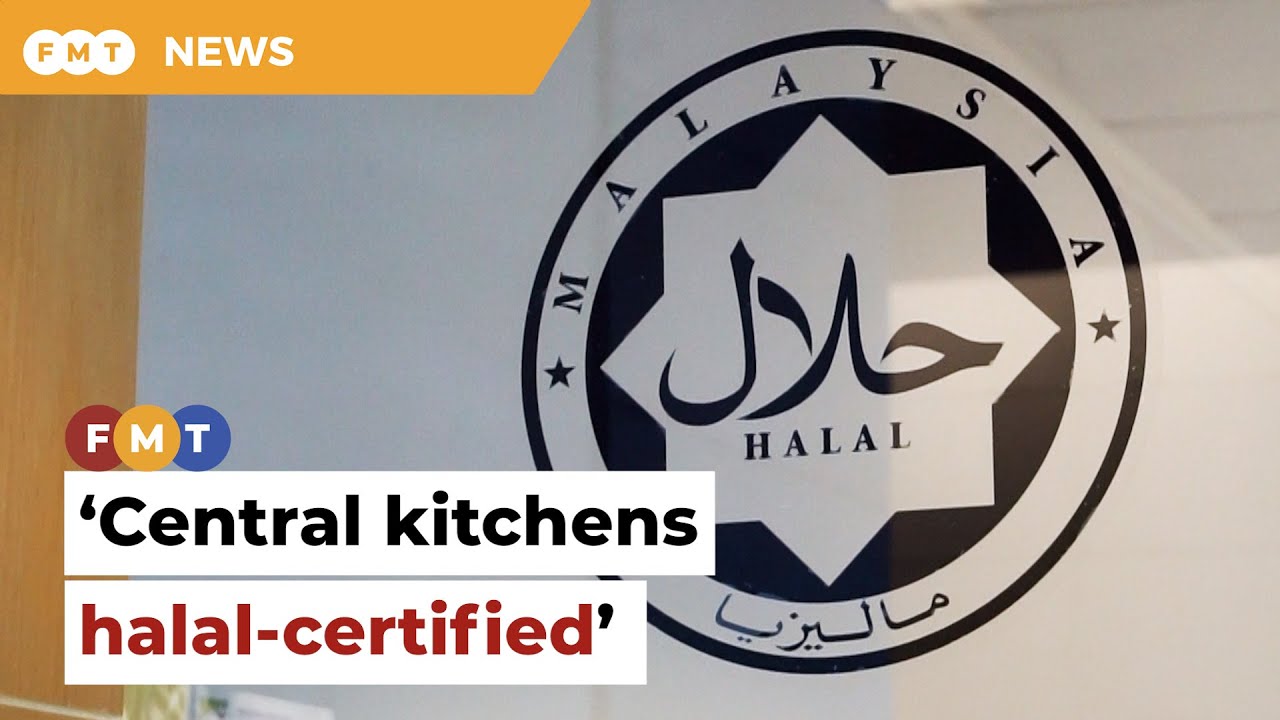
Halal certification is one of the most powerful business decisions you can make as a food business owner in Southeast Asia. In a region where the combined Muslim population exceeds 250 million, being halal-certified isn't just about compliance — it's about market access.
But the process is different in every country. What works in Malaysia doesn't apply in Singapore, and Indonesia has its own unique requirements that catch many operators off guard.
This guide covers the three major Southeast Asian markets where halal certification matters most: Malaysia, Singapore, and Indonesia.
Why Halal Certification Matters (Beyond the Obvious)
Before we dive into the process, let's talk about why this is a business decision, not just a religious one:
Malaysia: JAKIM & State JAIN
Malaysia has one of the world's most respected halal certification systems. A Malaysian JAKIM halal cert is recognised across the Muslim world.
Who Certifies?
- JAKIM (Jabatan Kemajuan Islam Malaysia): Federal body for large companies, manufacturers, and chains
- JAIN (Jabatan Agama Islam Negeri): State-level bodies for small businesses, individual restaurants, and stalls
Most small restaurant owners apply through their state JAIN.
Requirements
Application Process
Timeline: 4-12 weeks
The biggest variable is the inspection queue. Urban areas (KL, Penang, JB) can have longer waits.
Certification Validity: 2 years (renewable)
Cost Summary
| Item | Cost (RM) |
|---|---|
| Application fee | RM200–800 |
| Laboratory testing (if required) | RM100–500 |
| Consultant (optional but recommended) | RM500–2,000 |
| Annual compliance costs | RM200–500 |
> Pro tip: Hire a halal consultant for your first application. They cost RM500-2,000 but save you months of back-and-forth. They know exactly what the inspectors look for and can prepare your premises accordingly.
Free: Restaurant Compliance Checklist
Stay compliant with our comprehensive checklist covering food safety, health regulations, and licensing requirements.
No spam, ever. Unsubscribe anytime.
Singapore: MUIS
Singapore's halal certification is administered by MUIS (Majlis Ugama Islam Singapura). It's voluntary but carries significant commercial benefits.
Requirements
Application Process
Timeline: 4-8 weeks
Cost
| Premises Type | Annual Fee (SGD) |
|---|---|
| Eating establishment (small) | S$120 |
| Eating establishment (large) | S$200 |
| Industrial kitchen | S$300 |
Important MUIS Rules
- No halal and non-halal food can be prepared in the same kitchen (stricter than Malaysia)
- All staff must complete MUIS's halal awareness course
- Random inspections happen throughout the year — not just during application
- Certification can be revoked if violations are found during random checks
> Singapore is stricter than Malaysia on certain points, particularly around shared premises and alcohol. If you're used to Malaysian standards, don't assume the same rules apply.
Indonesia: BPJPH (Mandatory!)
This is the big one. Indonesia made halal certification mandatory for all food and beverage products through the Halal Product Assurance Law (JPH Law). As of October 2024, all food businesses operating in Indonesia must have halal certification.
The Mandatory Factor
Unlike Malaysia and Singapore where halal certification is voluntary, Indonesia requires it by law. If your food product or restaurant isn't certified, you must label it as "non-halal" — which effectively kills your business in a 87% Muslim country.
Who Certifies?
- BPJPH (Badan Penyelenggara Jaminan Produk Halal): The government body under the Ministry of Religious Affairs
- MUI (Majelis Ulama Indonesia): Formerly the sole certifier, now plays an advisory role. BPJPH handles the administrative process, MUI provides the fatwa (religious ruling)
Requirements
Application Process
Timeline: 4-8 weeks (standard), 2-3 weeks (self-declaration for micro businesses)
Cost
| Business Size | Cost (IDR) |
|---|---|
| Micro/Small (self-declaration) | Free (government subsidised) |
| Medium business | Rp 1–5 juta |
| Large business | Rp 5–15 juta |
> Great news for small operators: The Indonesian government has made halal certification free for micro and small businesses through the self-declaration scheme. This covers most warung, street food vendors, and small restaurants.
Cross-Country Comparison
| Factor | Malaysia (JAKIM) | Singapore (MUIS) | Indonesia (BPJPH) |
|---|---|---|---|
| Mandatory? | No (voluntary) | No (voluntary) | Yes (mandatory) |
| Cost | RM200–1,000 | S$120–300/yr | Free for micro/small |
| Timeline | 4-12 weeks | 4-8 weeks | 2-8 weeks |
| Validity | 2 years | 1-2 years | 4 years |
| Alcohol allowed? | No | Conditional (separate area) | No |
| Muslim staff required? | Yes (supervisor) | Yes (team leader) | Yes (supervisor) |
| Random inspections? | Yes | Yes (frequent) | Yes |
| Recognition | Global gold standard | Highly respected | Growing recognition |
Common Mistakes That Delay Certification
1. Incomplete Supplier Documentation
You need halal certificates from every ingredient supplier. Start collecting these early — some suppliers take weeks to provide them.
2. Shared Equipment Issues
This catches many operators in multi-tenant food courts. If you share a dishwashing area or storage space, you need to document how cross-contamination is prevented.
3. Cleaning Product Compliance
Not all cleaning products are halal-compliant. Certain surfactants and compounds can be derived from non-halal sources. Check with your certifying body.
4. Staff Turnover Problems
If your designated Muslim supervisor leaves, you need to update your certification immediately. Failing to have a qualified person on-site during operations can result in suspension.
5. Assuming Online Recipes Are Halal
Just because a recipe doesn't contain pork or alcohol doesn't mean it's halal. Ingredients like vanilla extract (alcohol-based), certain colourings (carmine from insects), and gelatine (pork-based) are common hidden issues.
Your Halal Certification Checklist
Use our tools to prepare:
- [Compliance Tracker](/dashboard/operations/compliance) — Track your halal certification progress, set renewal reminders
- [Licensing & Permits Wizard](/tools/licensing-permits) — Get a complete permit checklist for your country including halal requirements
- [Opening Checklist](/tools/opening-checklist) — Country-specific task list including halal preparation steps
Halal certification is an investment in your business's long-term viability in Southeast Asia. Whether it's voluntary or mandatory in your country, the commercial benefits far outweigh the costs and effort. Start the process early, get your documentation right, and consider hiring a consultant for your first certification. 🕌
Tags
Recommended Tools
Put This Knowledge Into Action
Use these tools to apply what you just learned